Snakesitter
New member
(Note this post is best viewed in threaded layout, where available.)
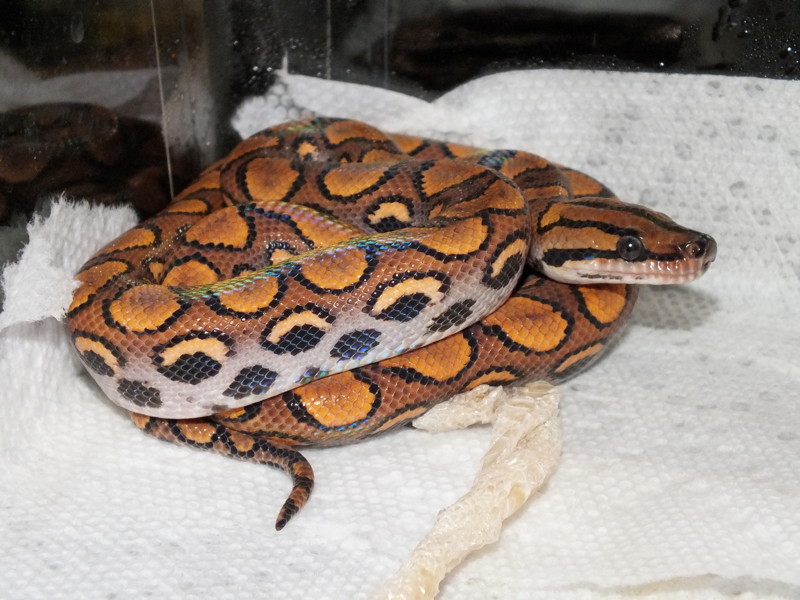
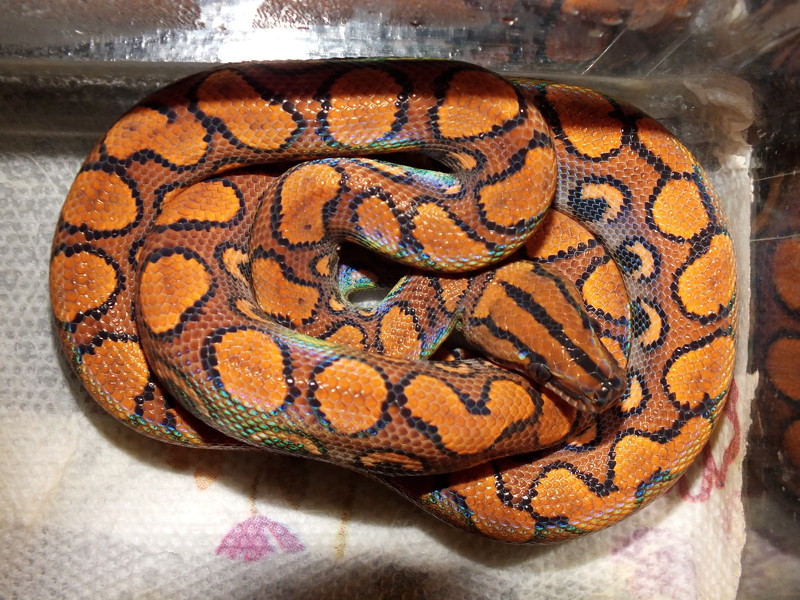
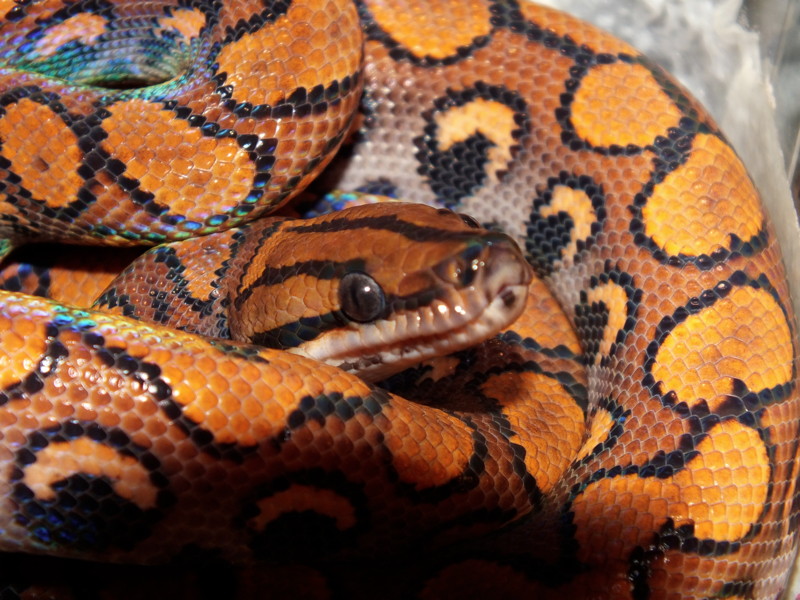
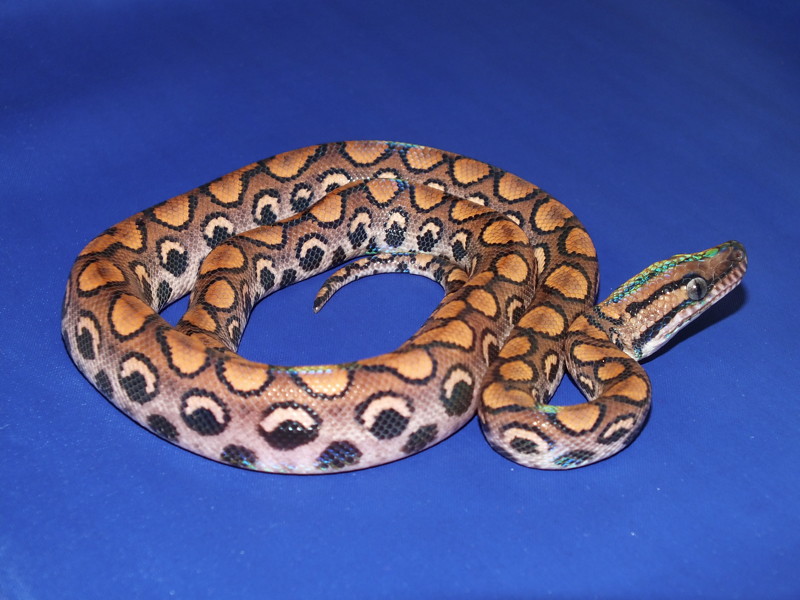
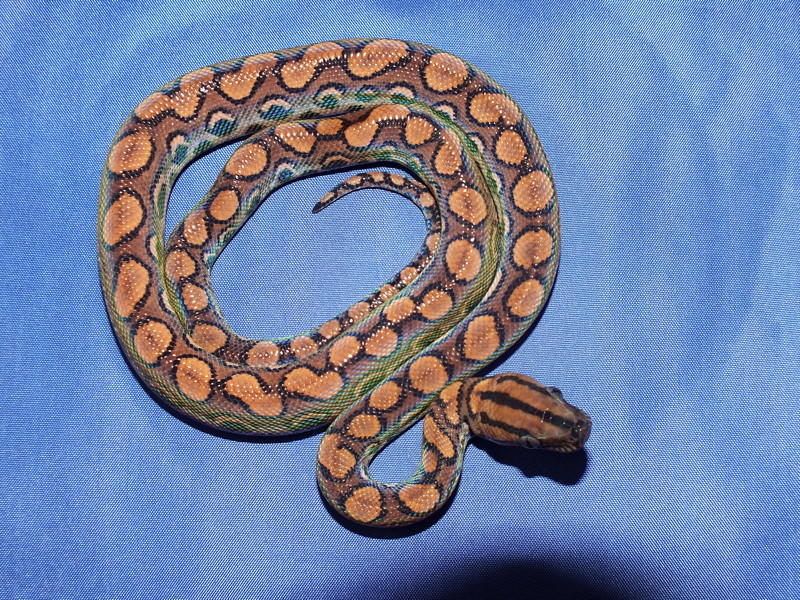
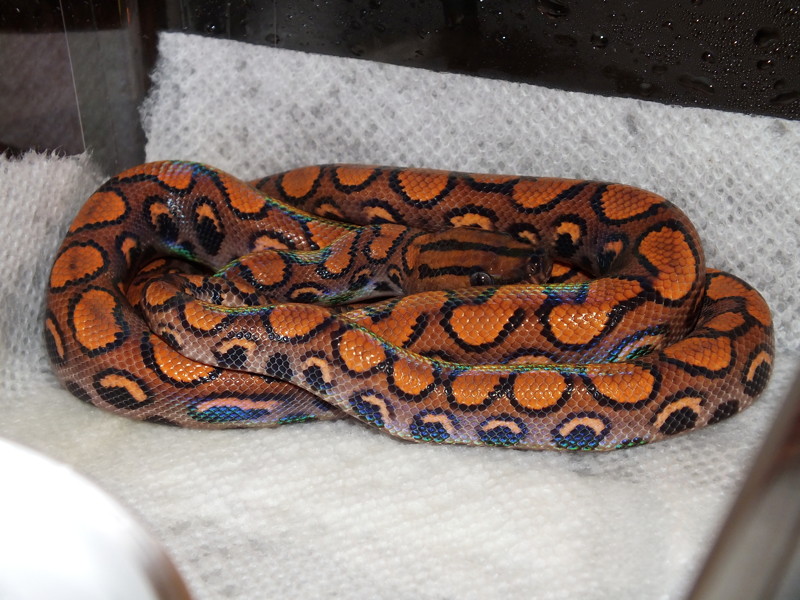
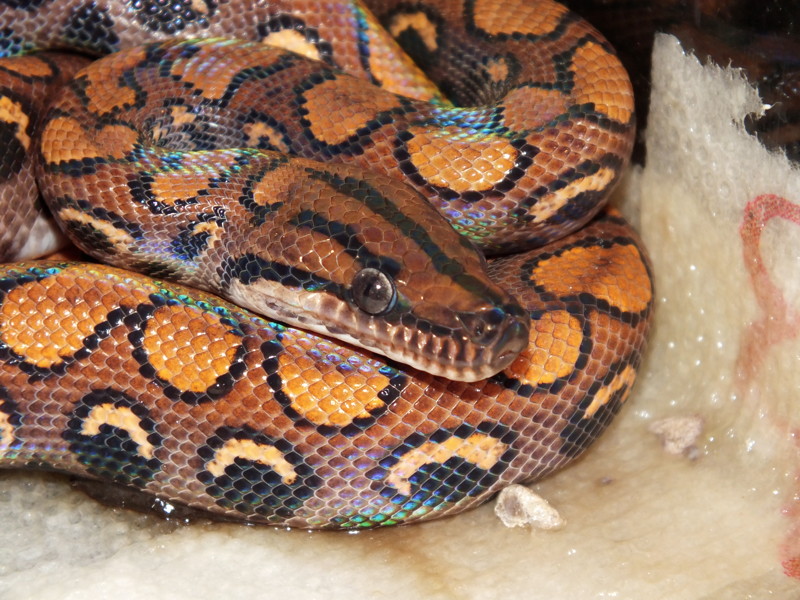
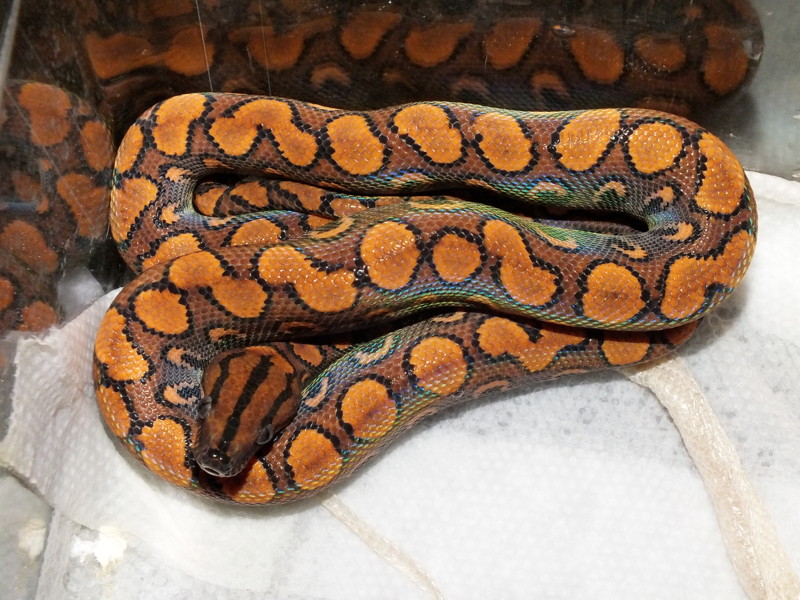
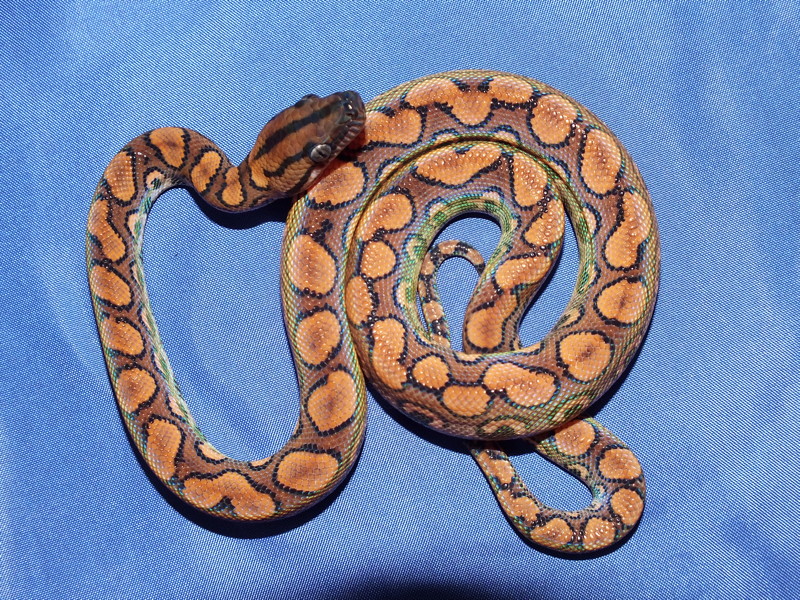
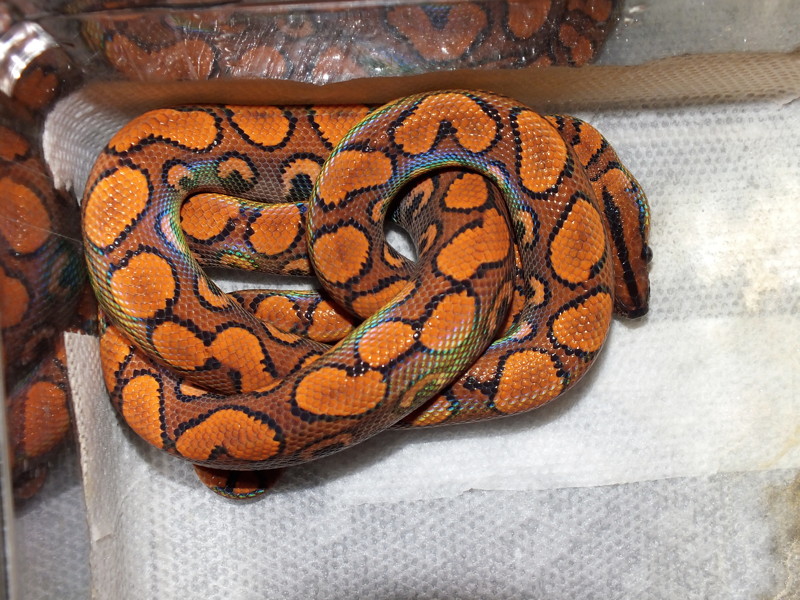
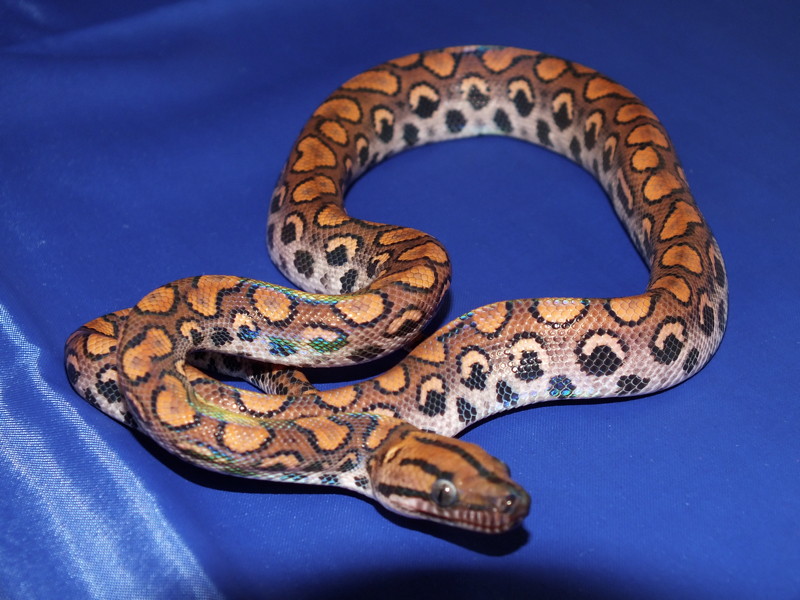
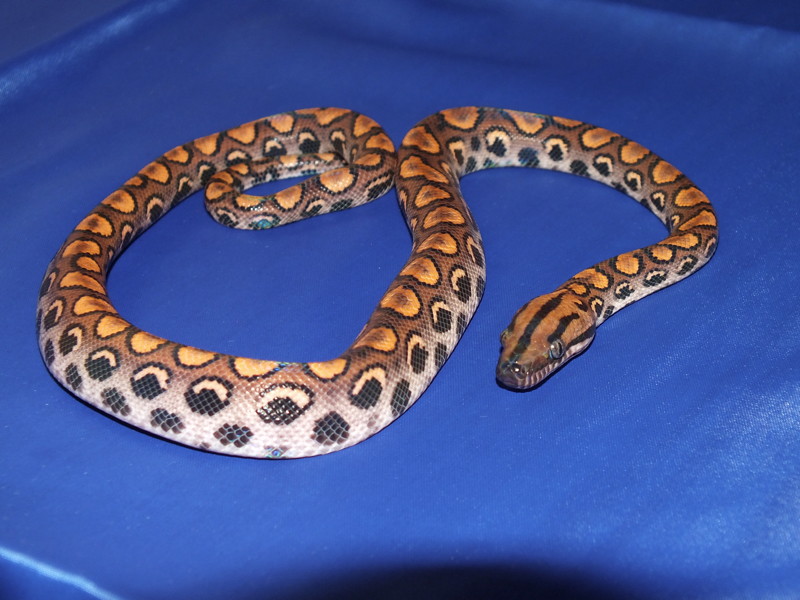
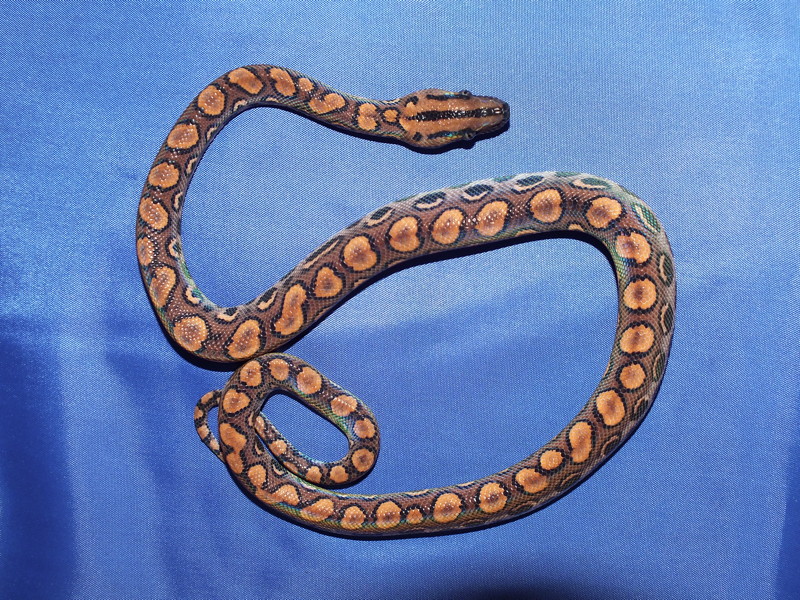
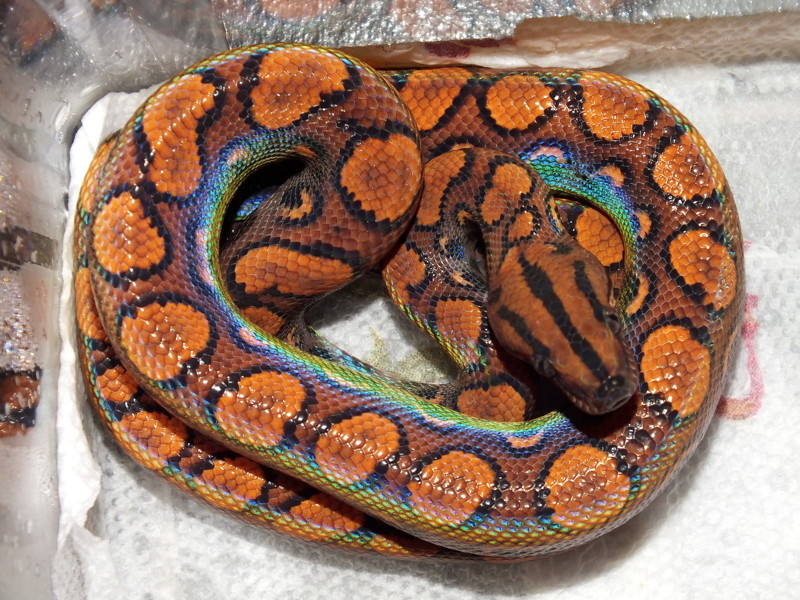
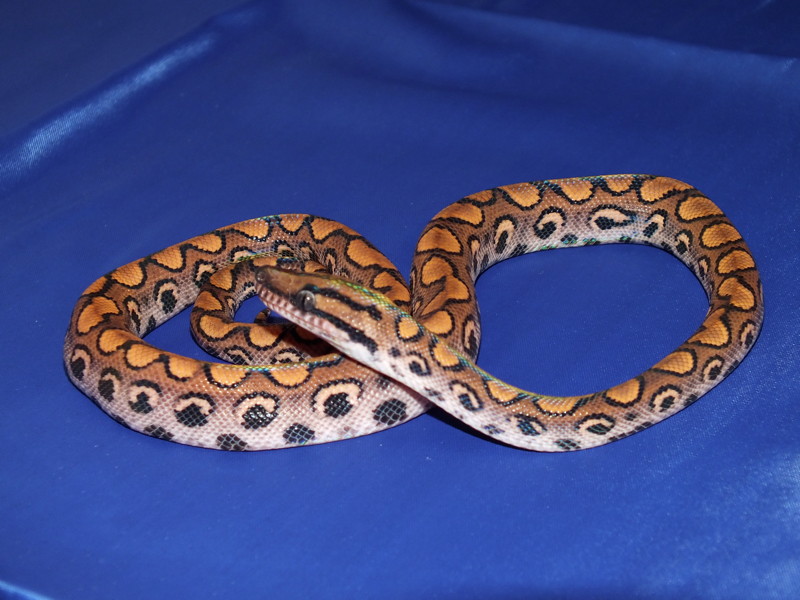
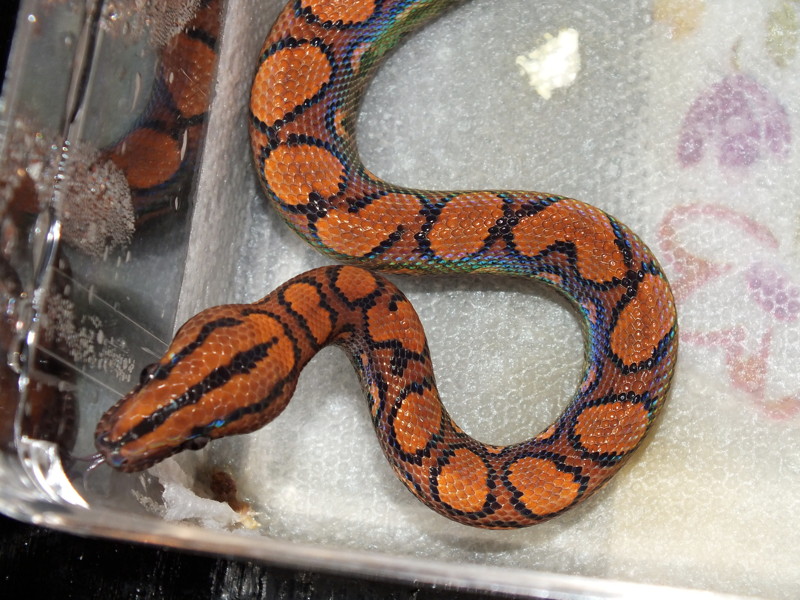
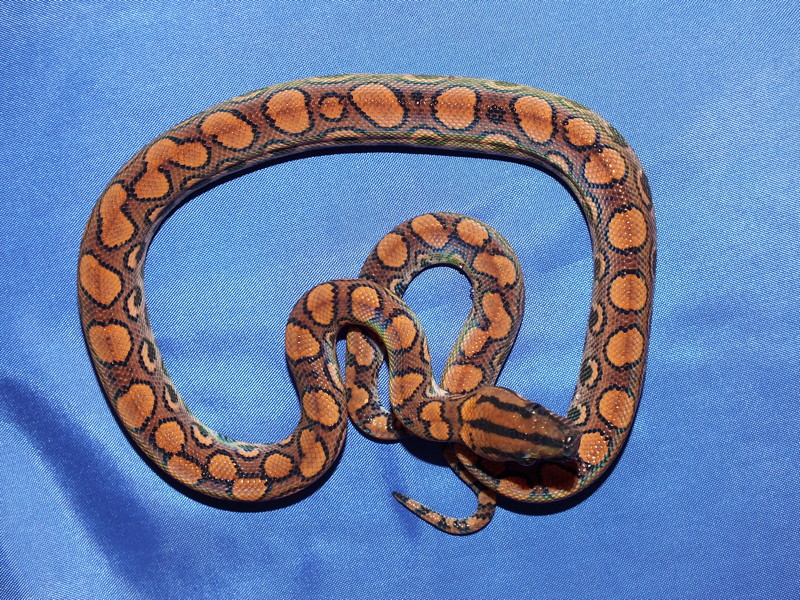
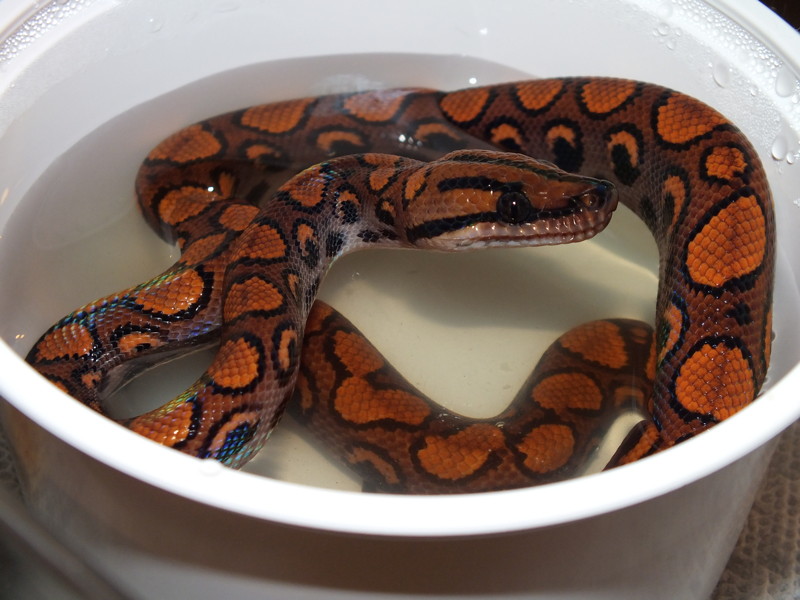
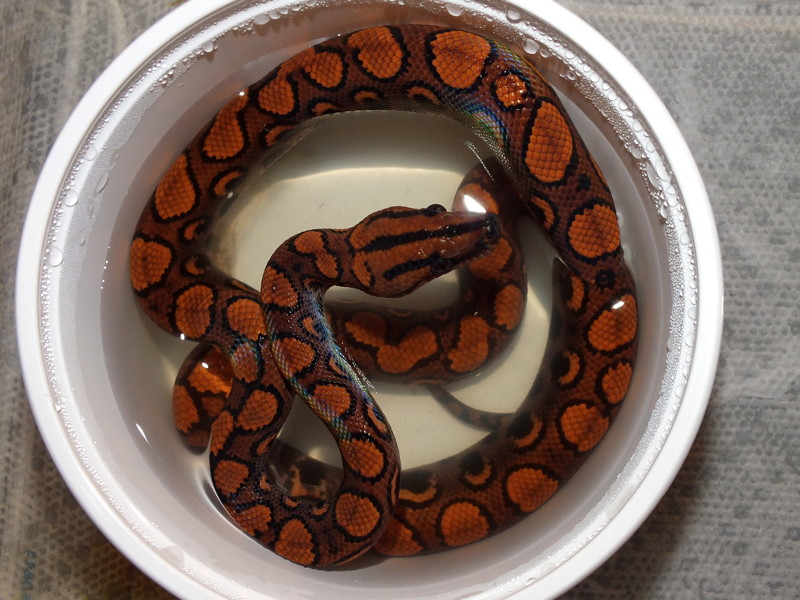
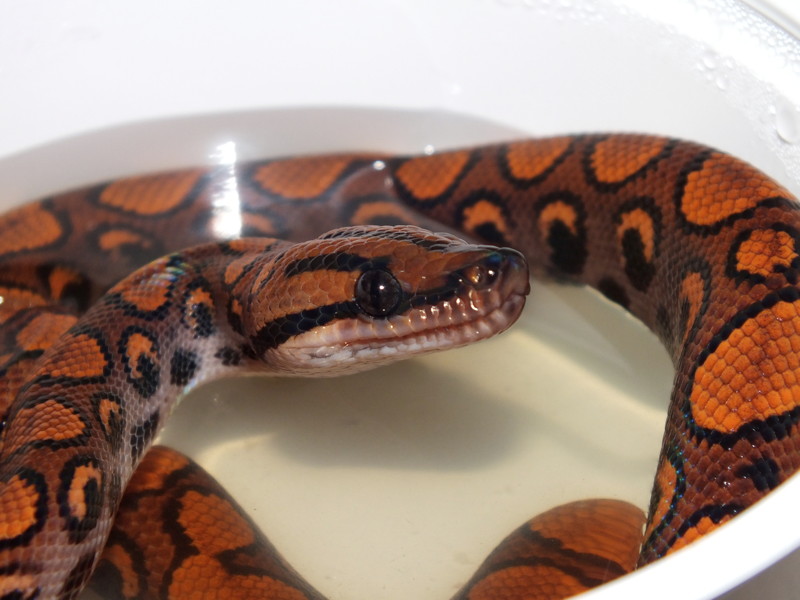
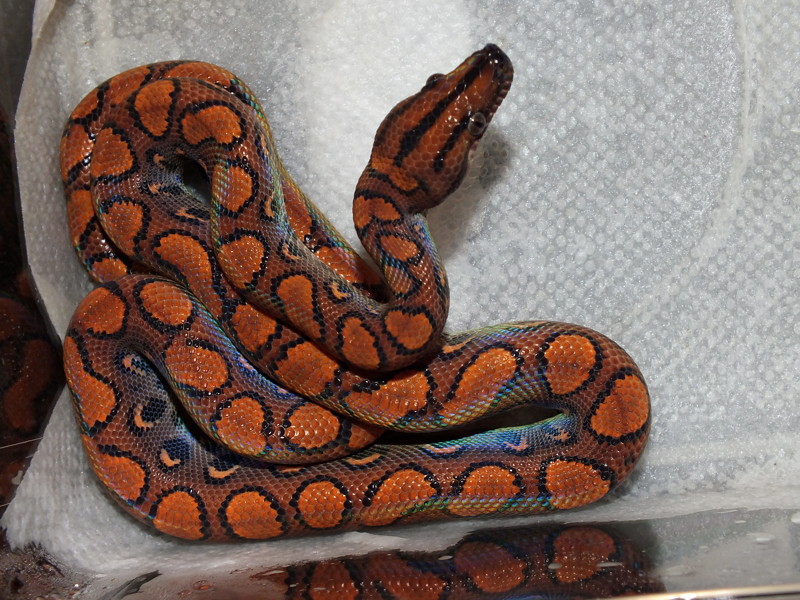
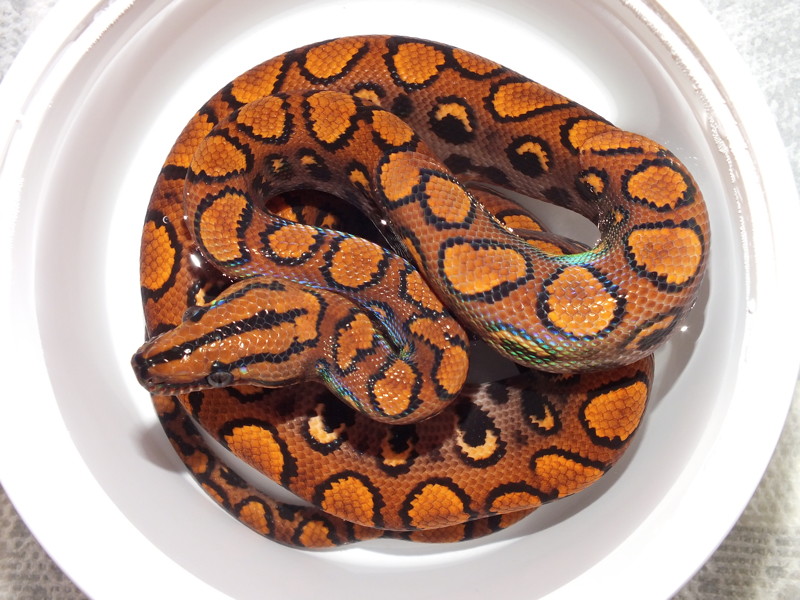
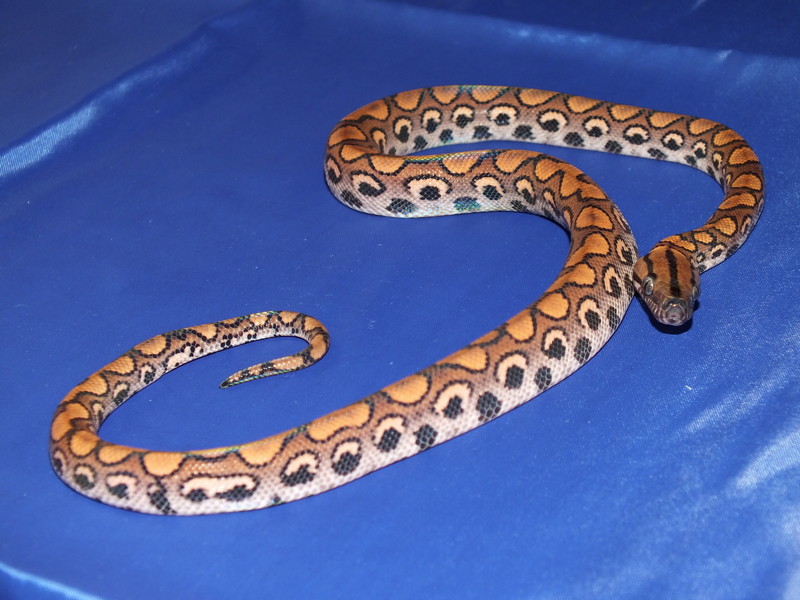
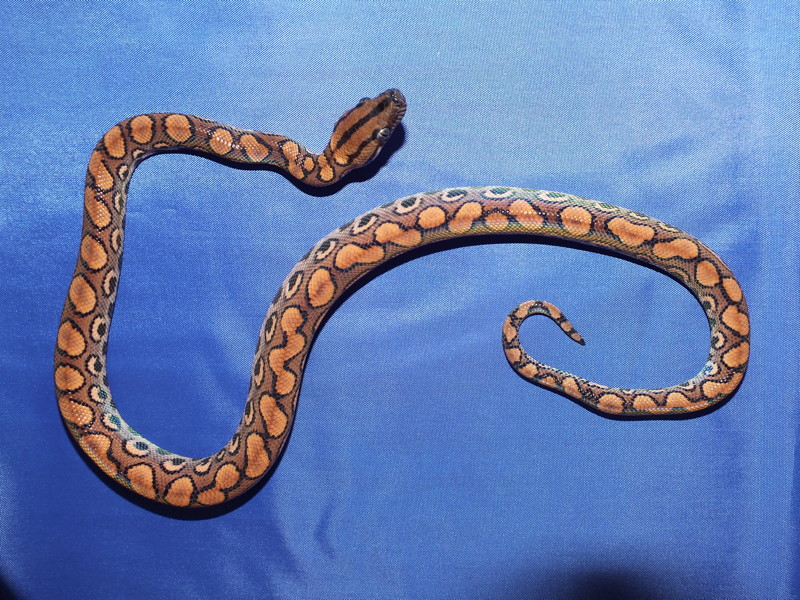
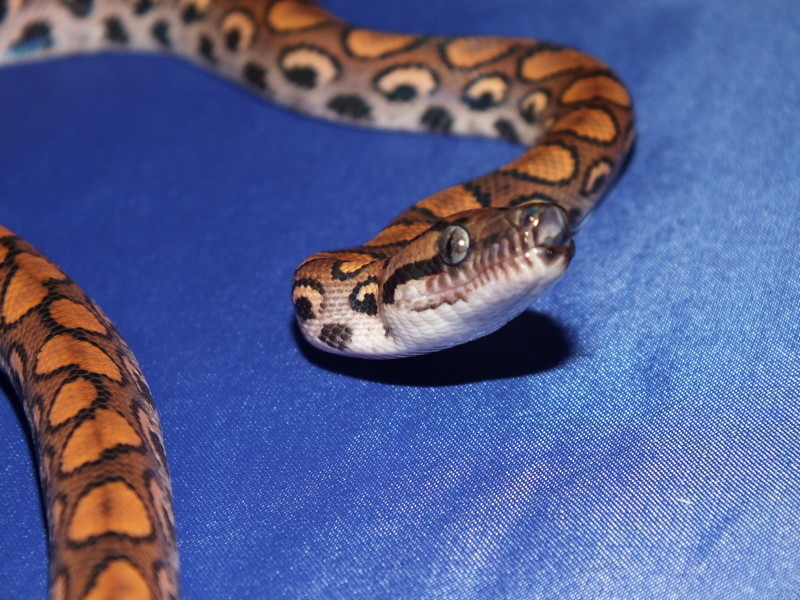
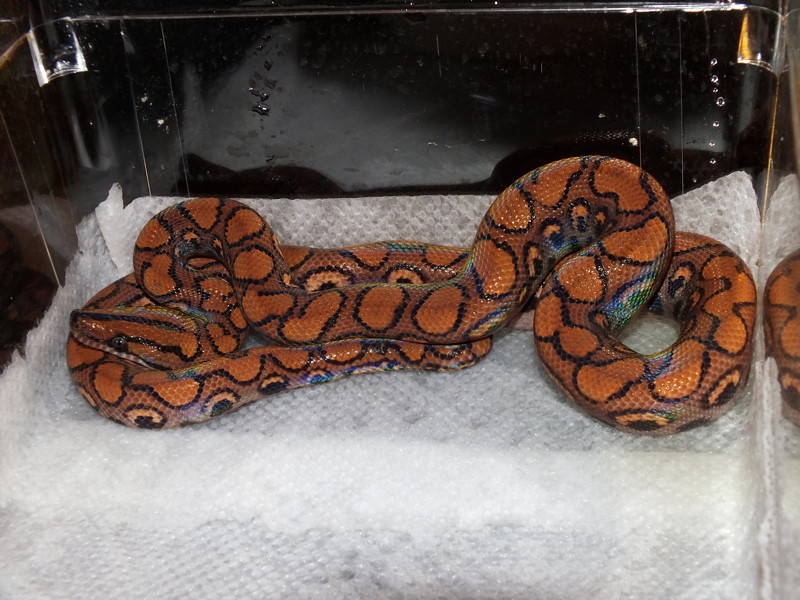
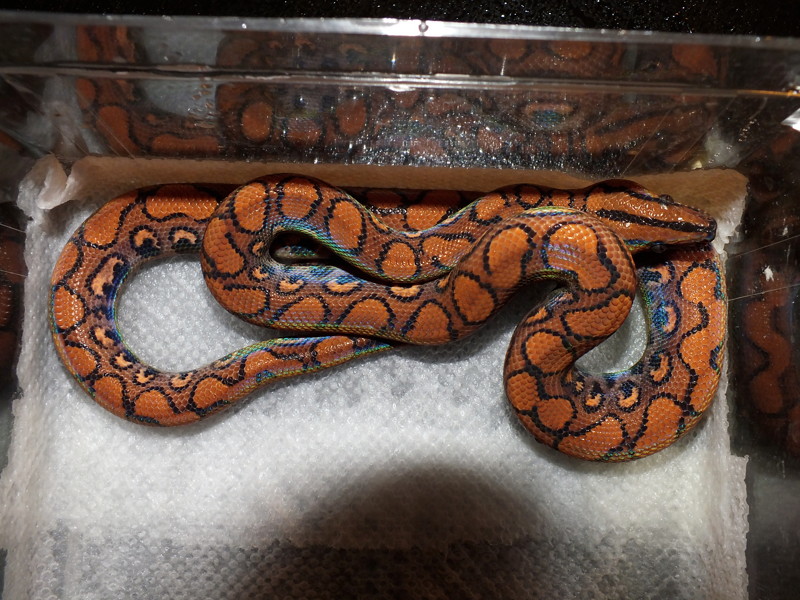
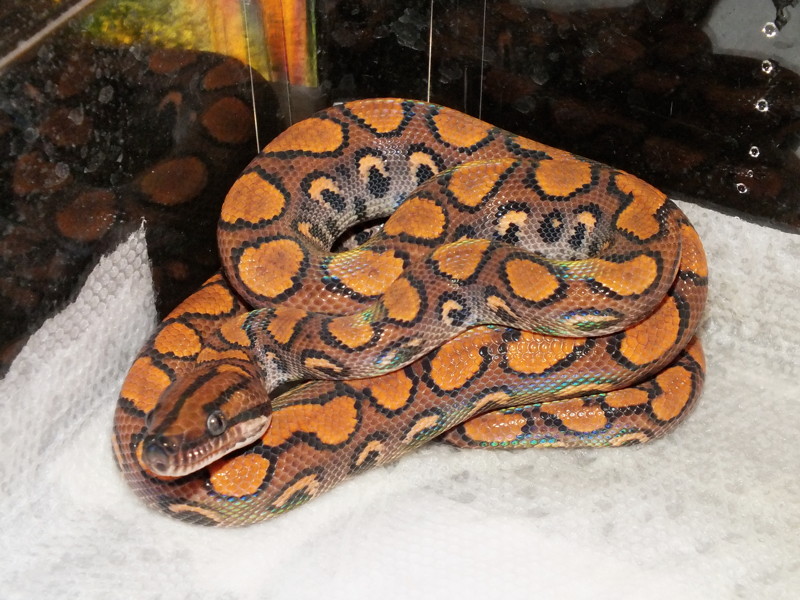
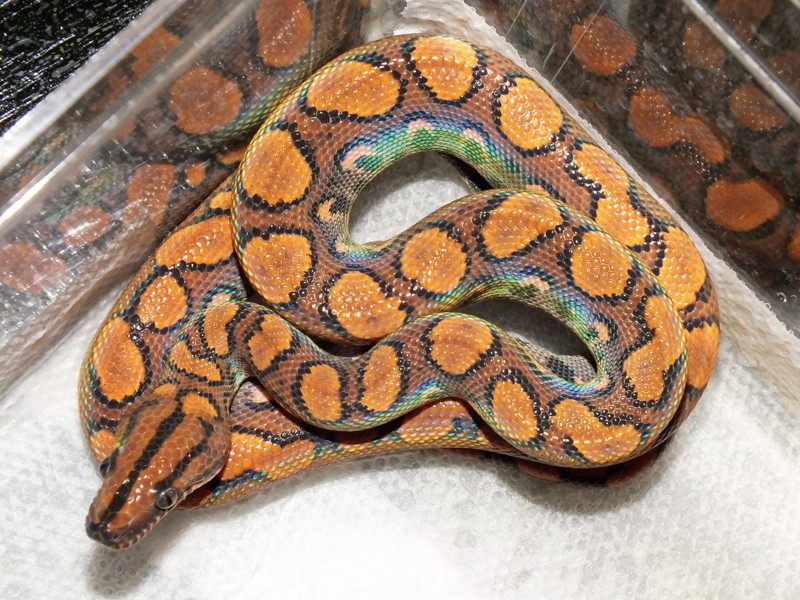
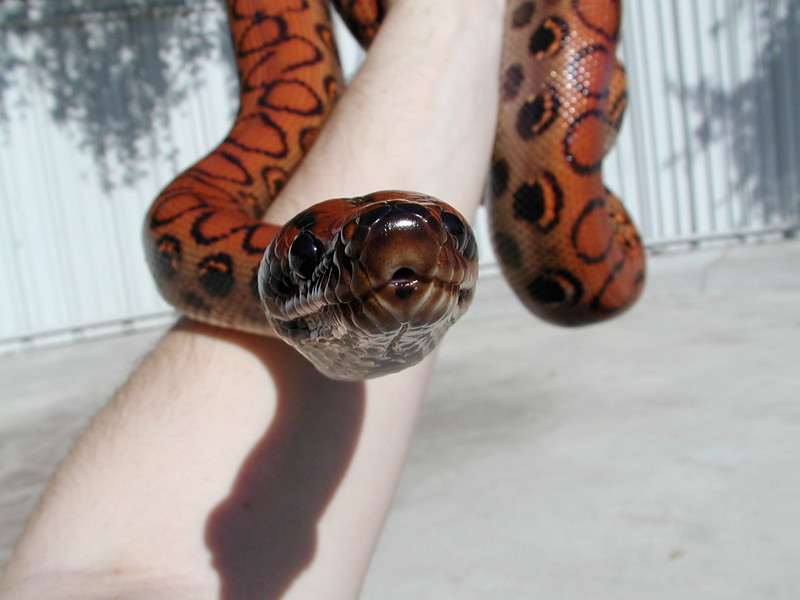
At long last, Living Gems Reptiles is thrilled to profile the babies from its 2011 breeding year. The 17 youngsters in this litter, our first ever, were born on September 14, the result of a pairing between Hills, a brilliant orange male estimated to be born in late 2006:
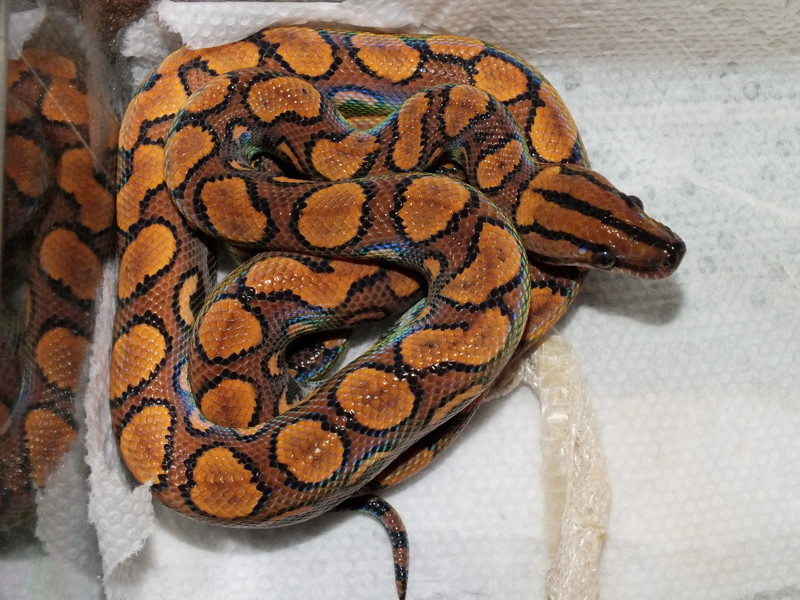
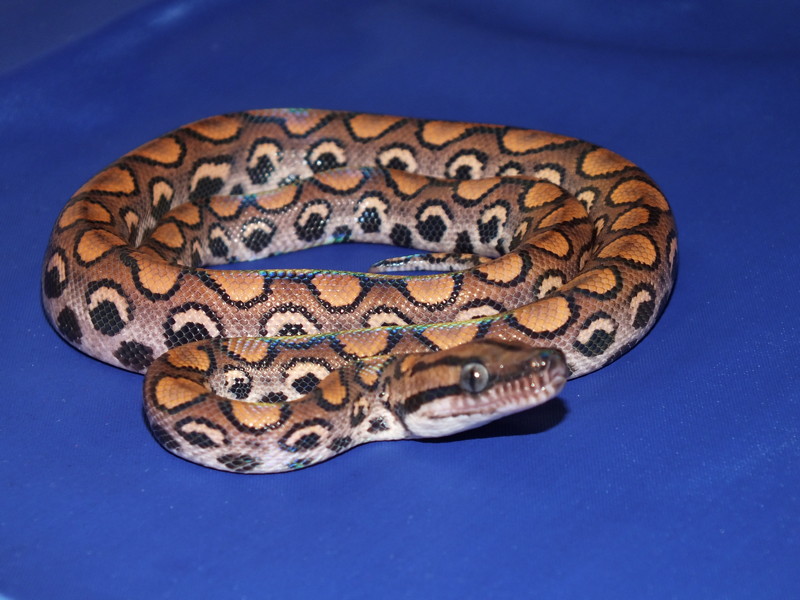
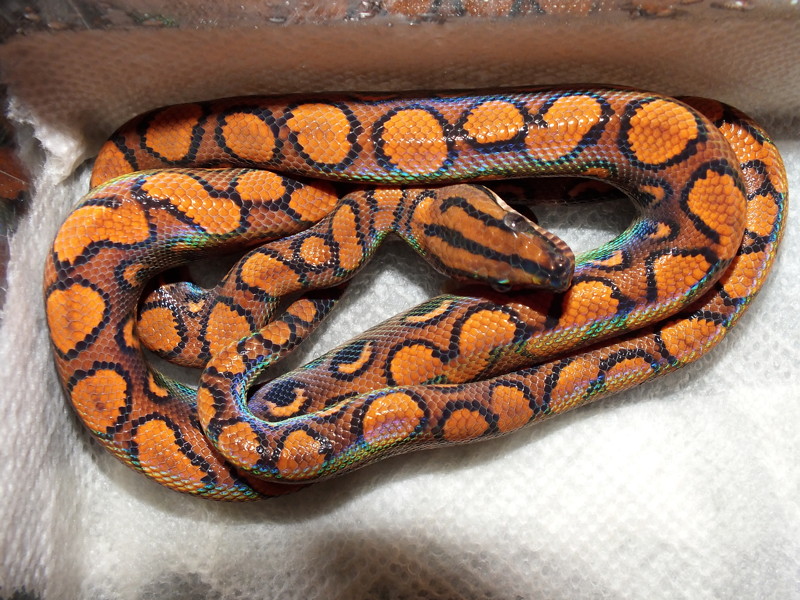
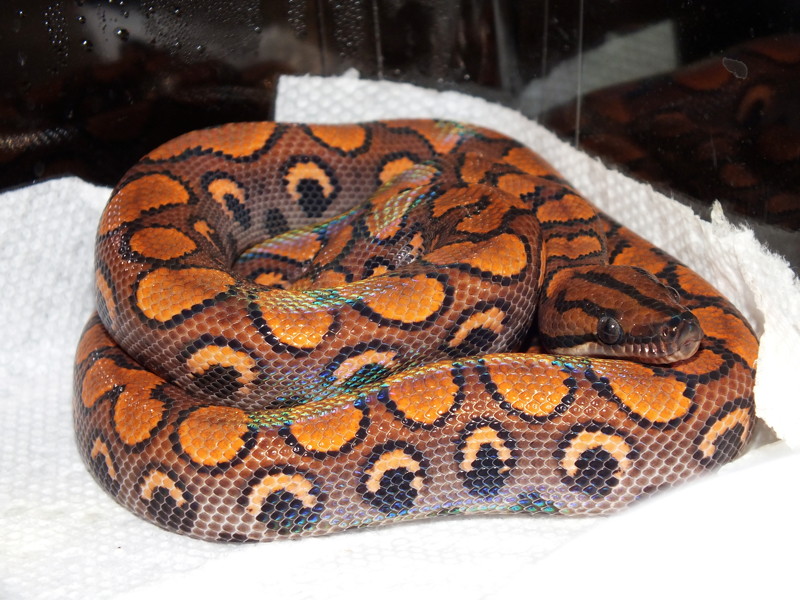
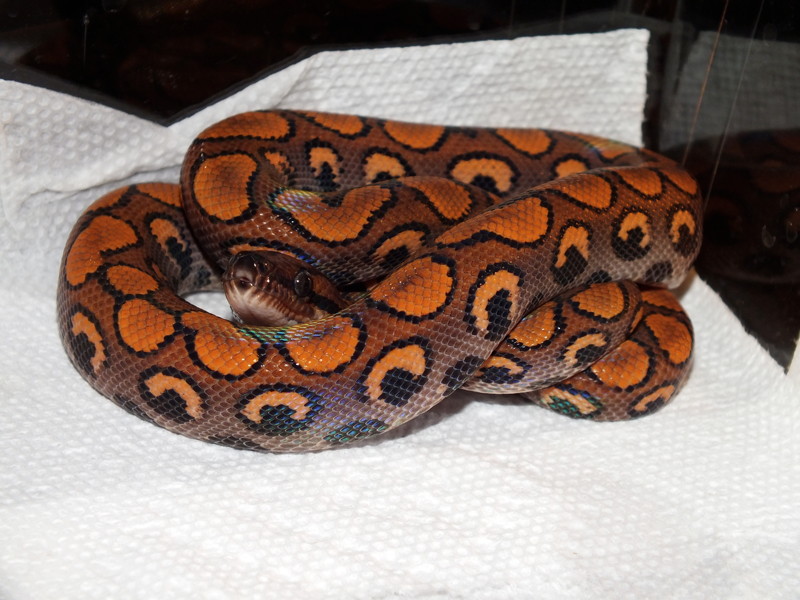
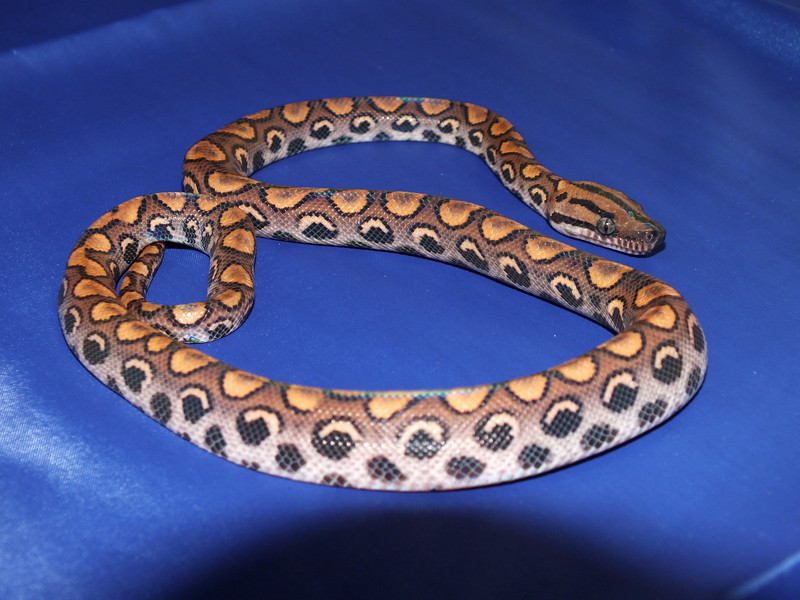
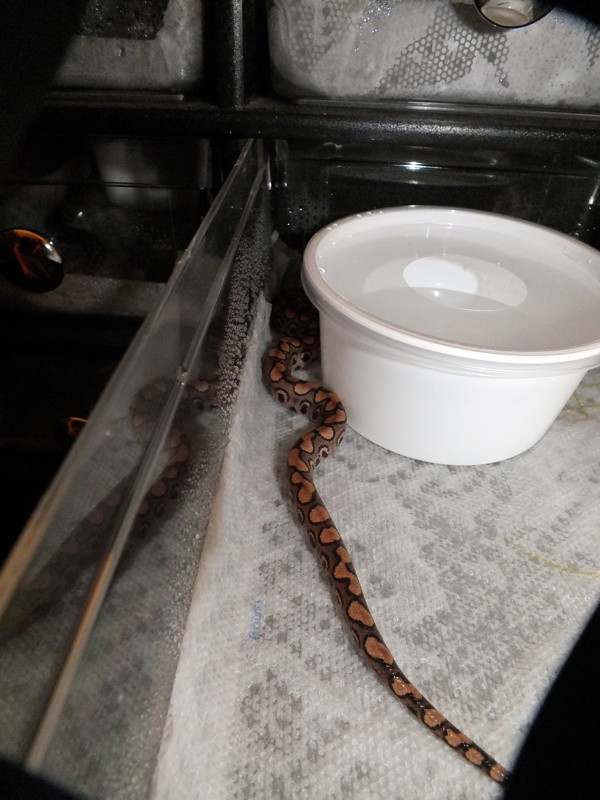
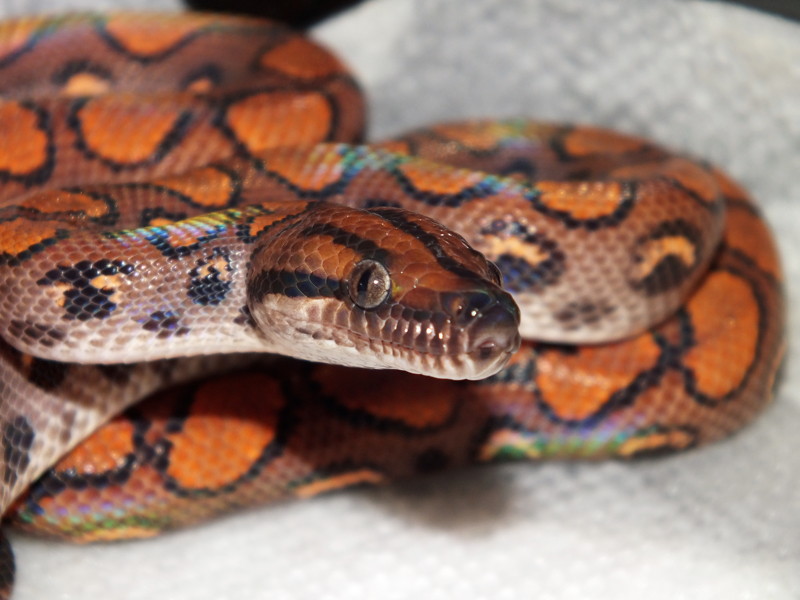
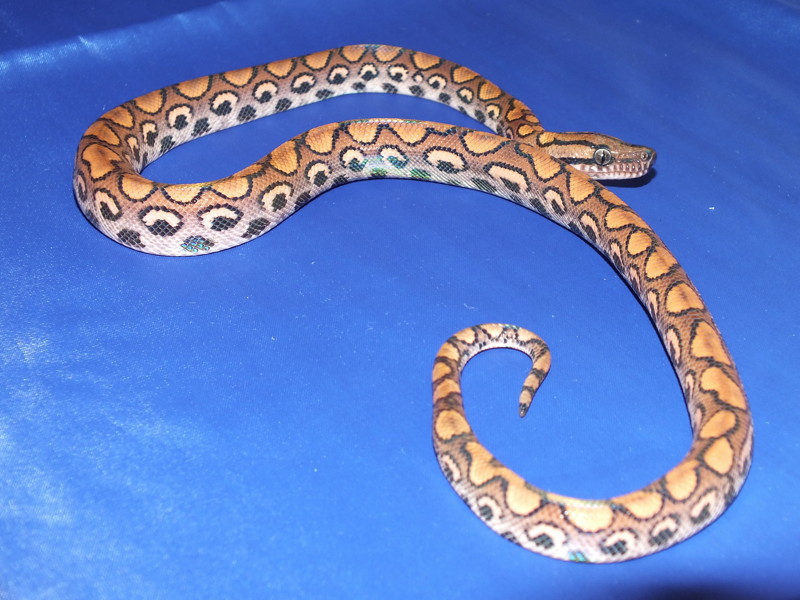
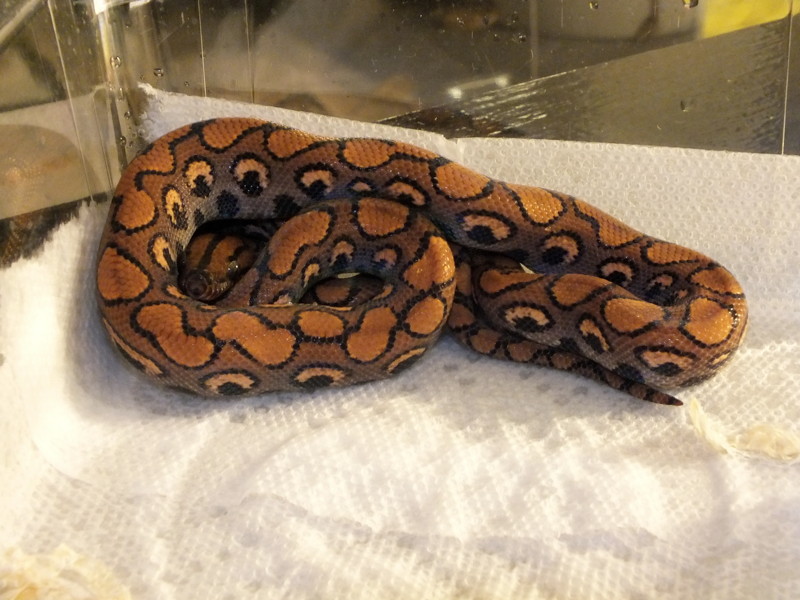
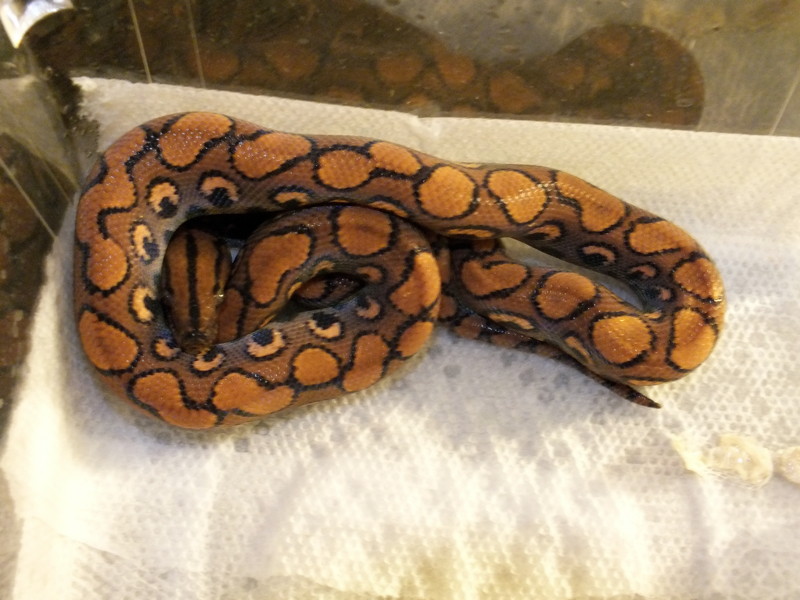
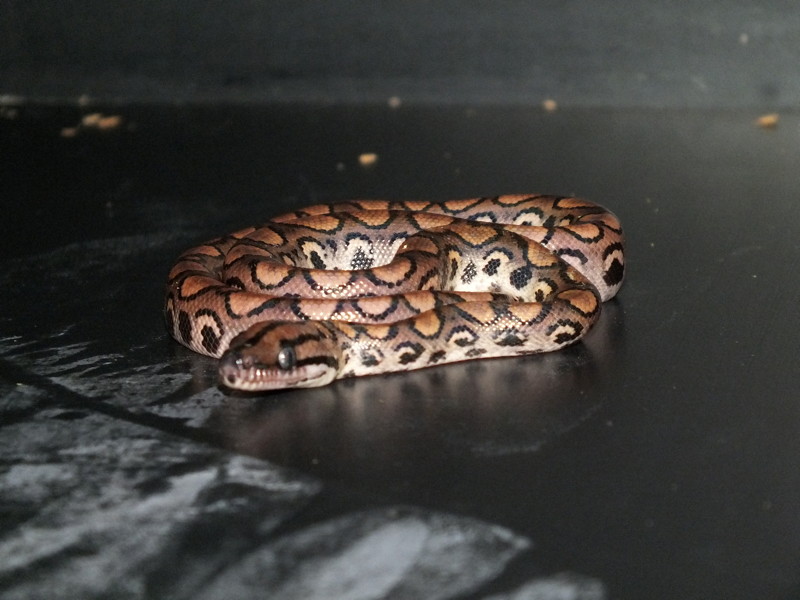
And Alexandrite, a pretty October 2007 female:
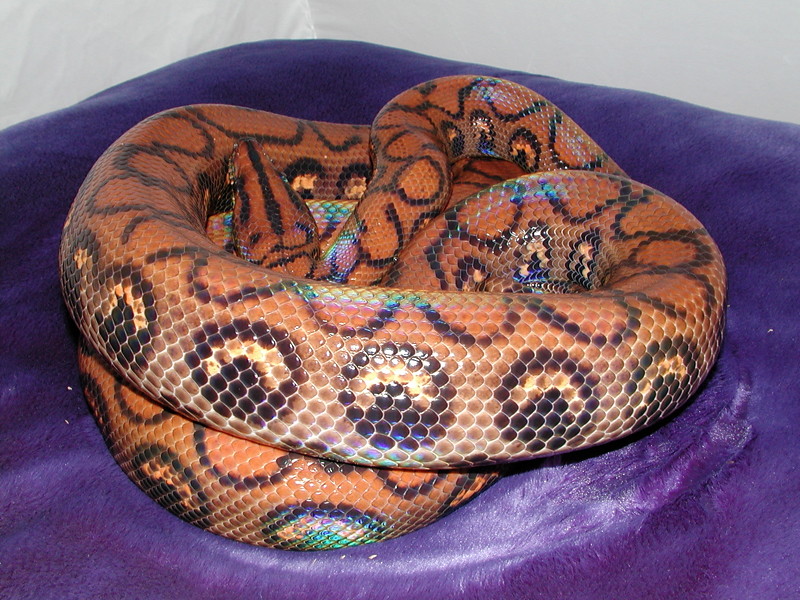
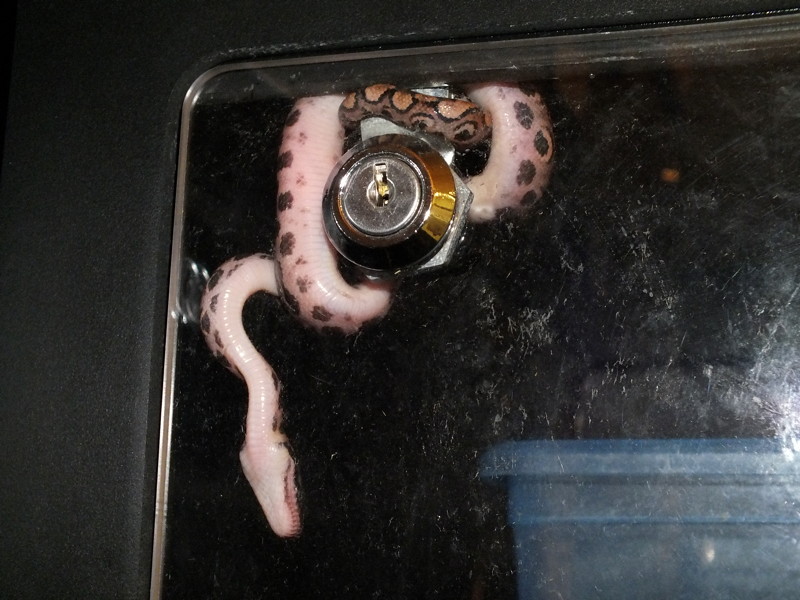
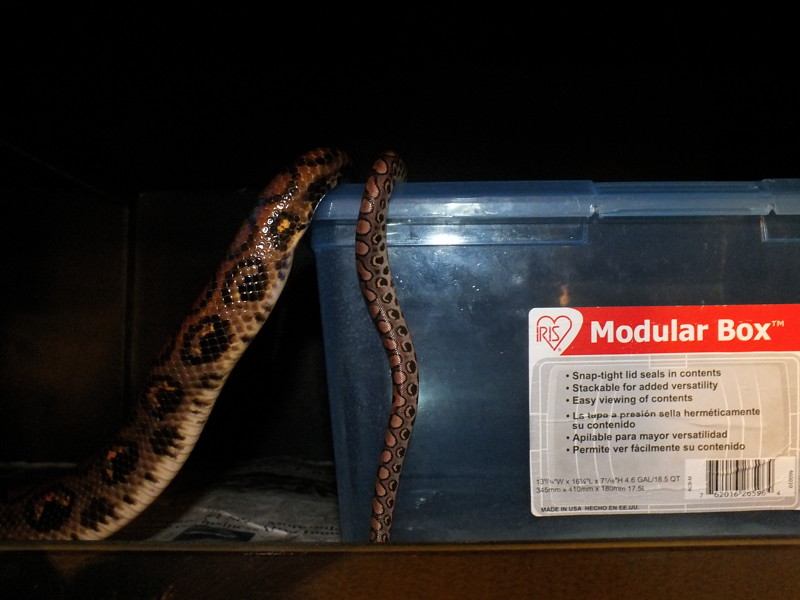
Alex was named, as with all Living Gems females, for a pretty gemstone. She is alive and well. Hills was named for the legendary New Zealand mountaineer Sir Edmund Hillary (1919-2008), in honor of this snake’s love of climbing: Hills would always break for my head the first chance he got, and end up wrapped around the top of it. He unfortunately passed away in August of last year, just before the litter was born, and slightly before we went on a sales hold to resolve the events described in the “Beating a Misdiagnosis” thread.
The litter contains nine males and eight females. Initial sexing was done by me, and then confirmed by a local professional.
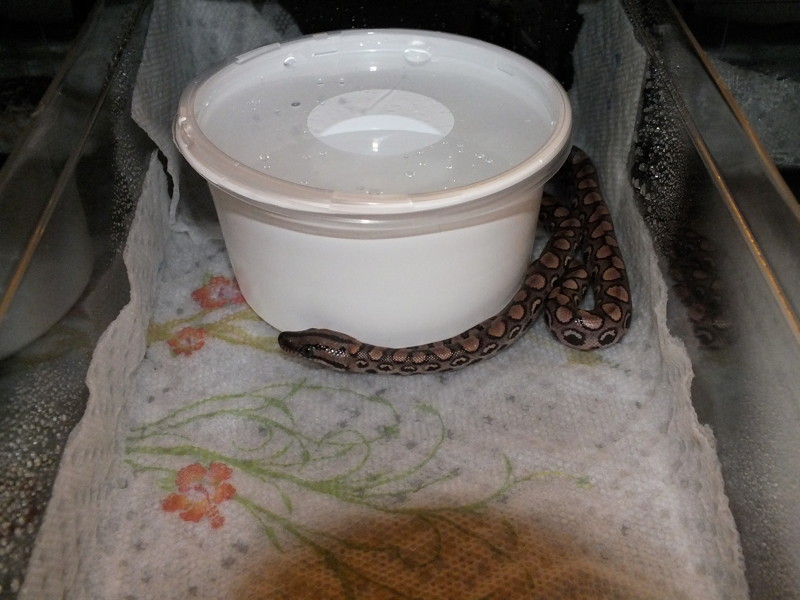
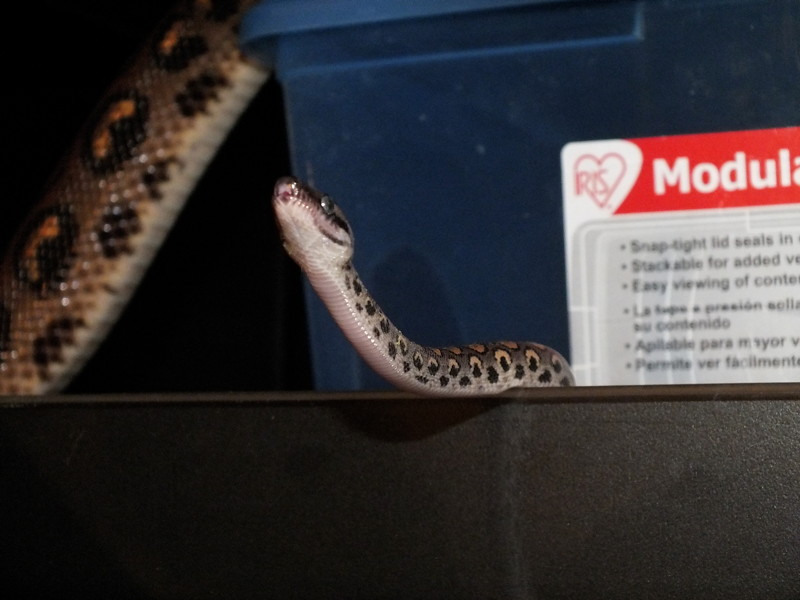
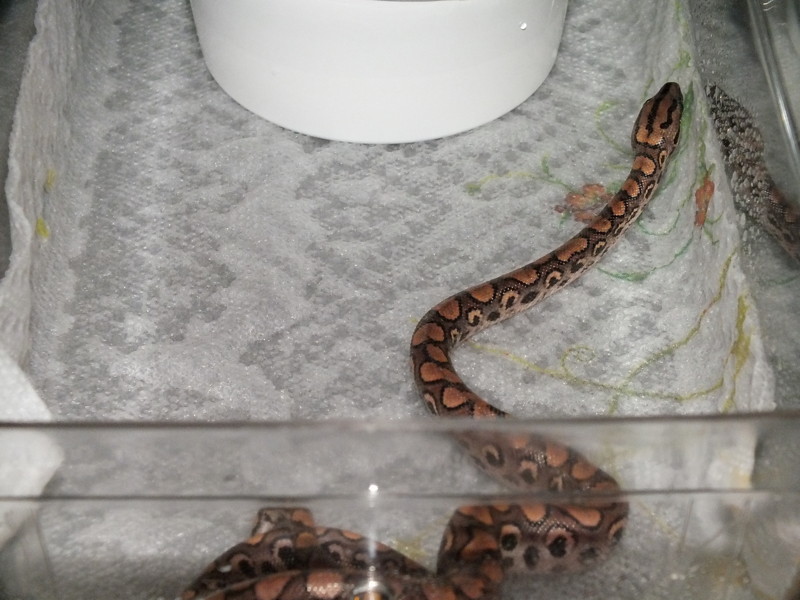
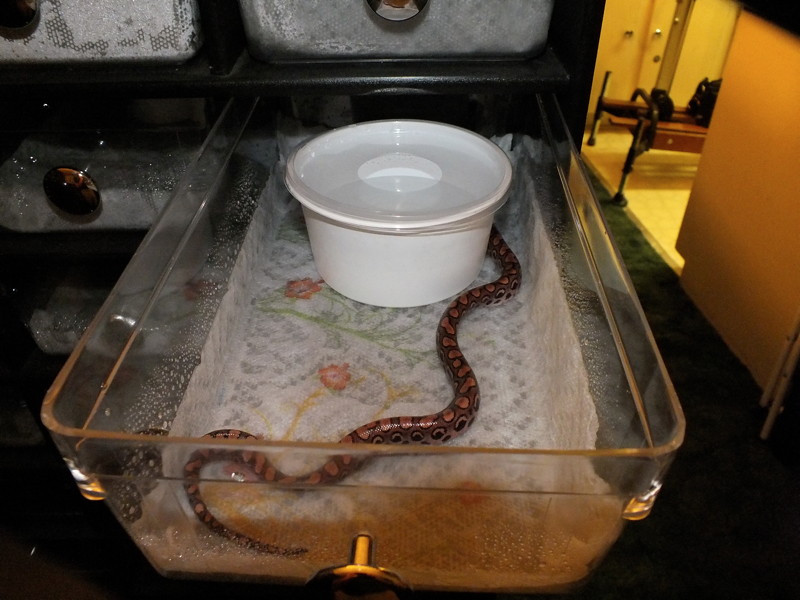
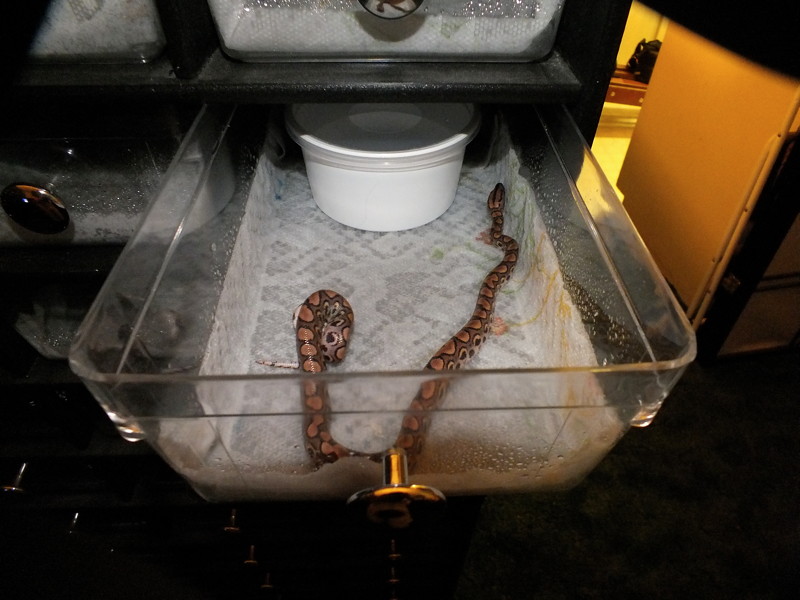
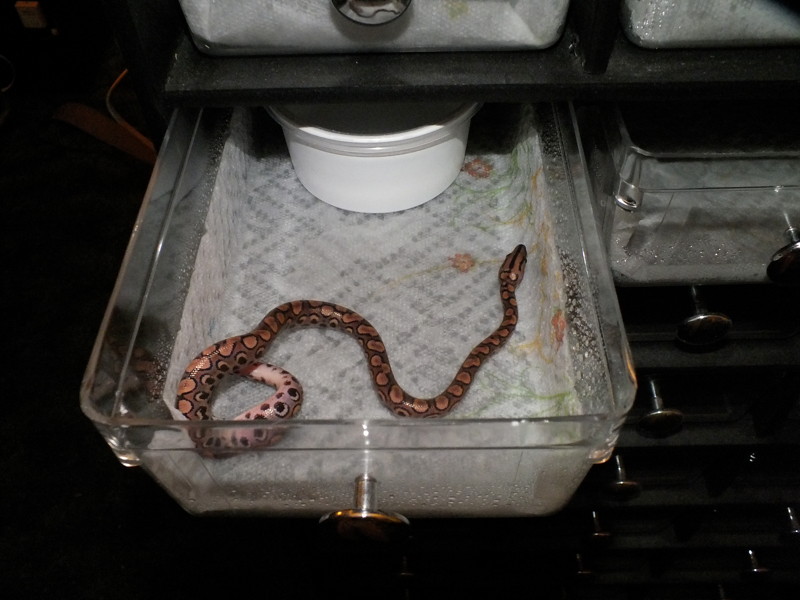
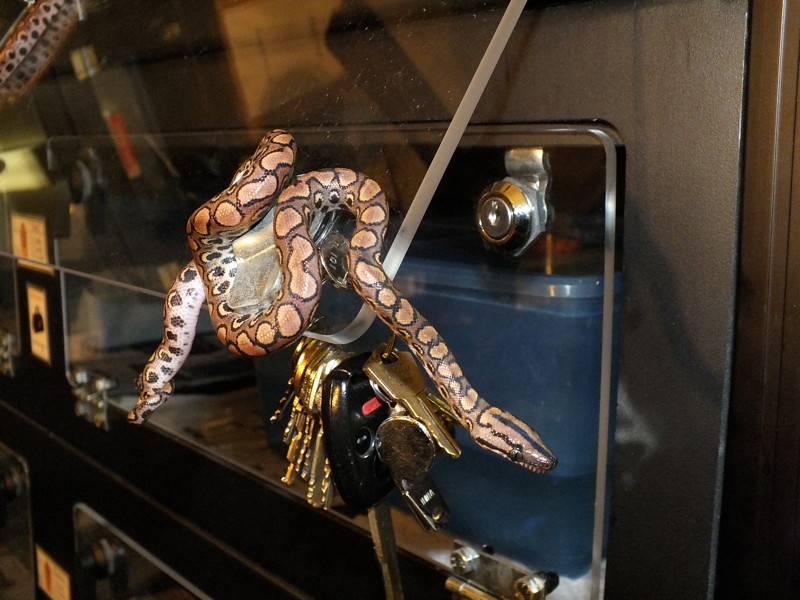
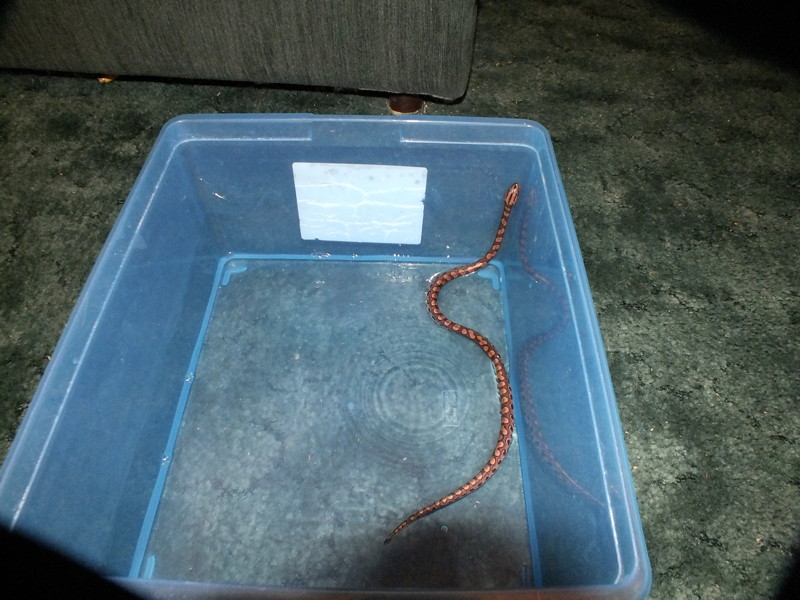
Behavior-wise, this litter is full of personality. We’ve done dozens of handling sessions for each baby, part of our commitment to start acclimating them to humans, and -- as with most baby Brazilians -- they missed no chances in the first few sessions to show their outsized bravery. There’s something both impressive and funny about watching 33 grams of fury trying to tell your hand who is boss. ;-) As time has passed, every one has calmed to the point where I get no more than one nip per session across all 17 -- from whomever is feeling cranky that particular day. All of them have learned to tolerate a camera, and if they react at all, regard it as a climbing aide.
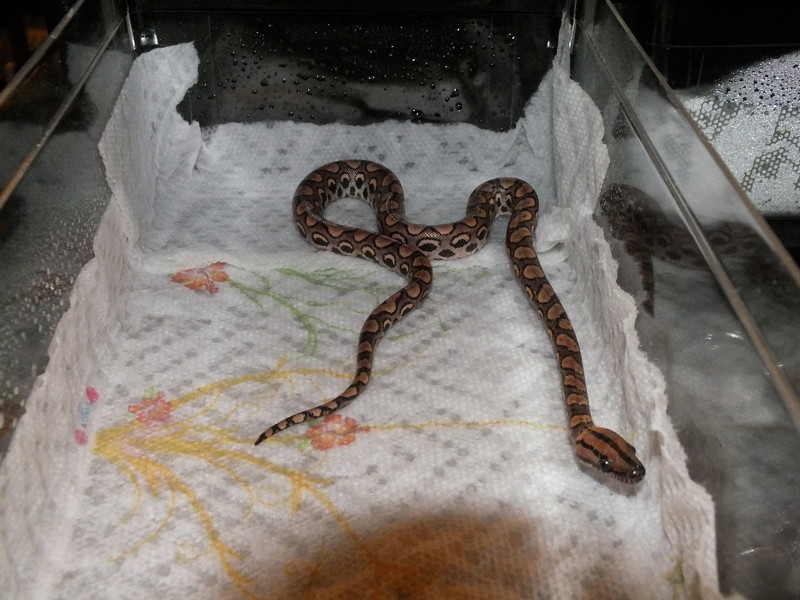
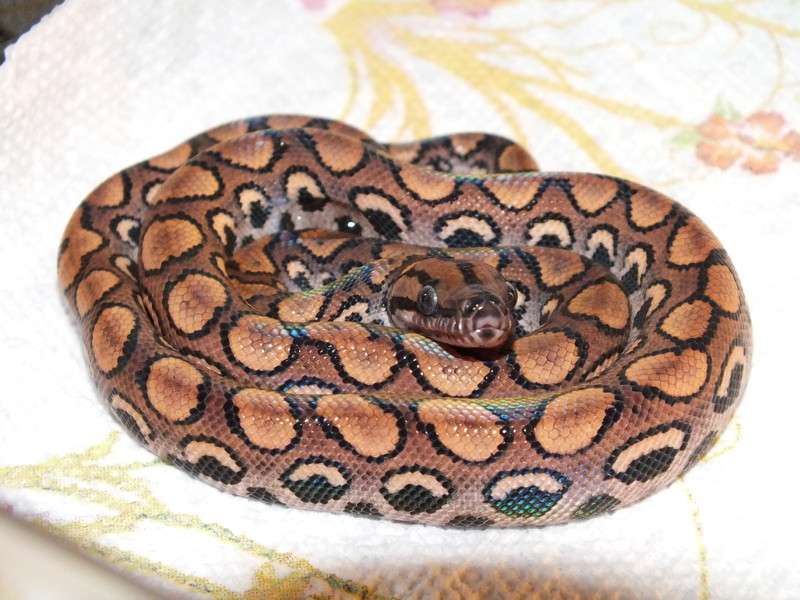
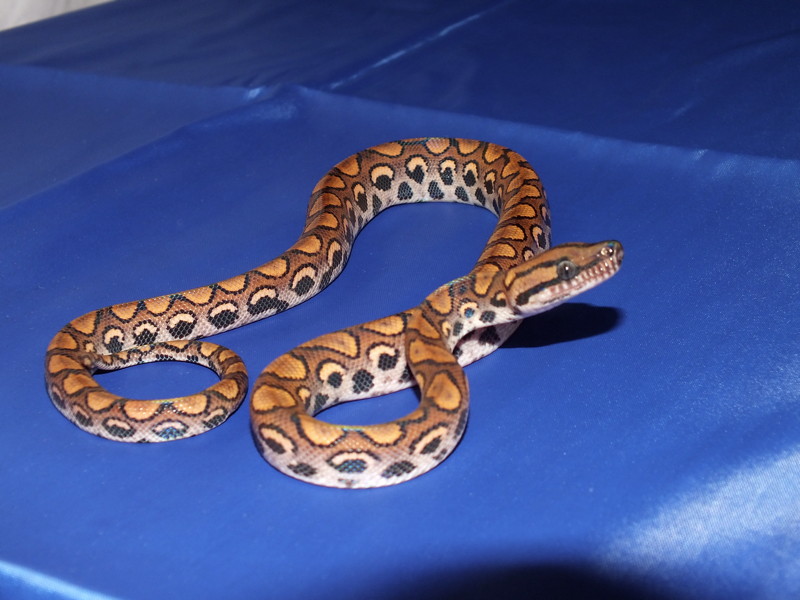
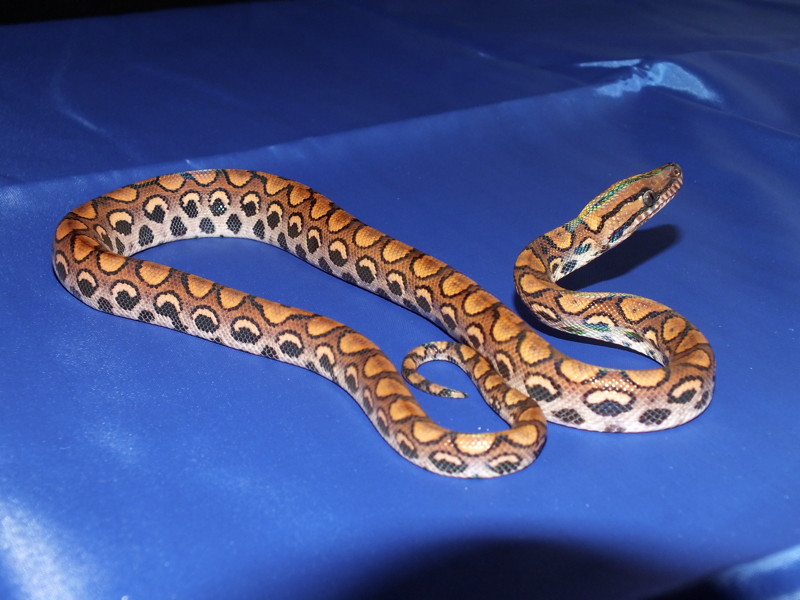
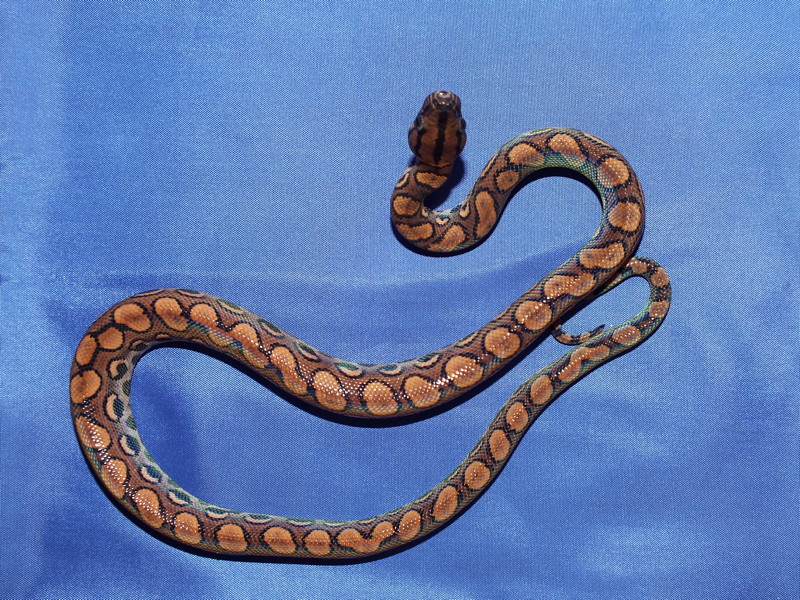
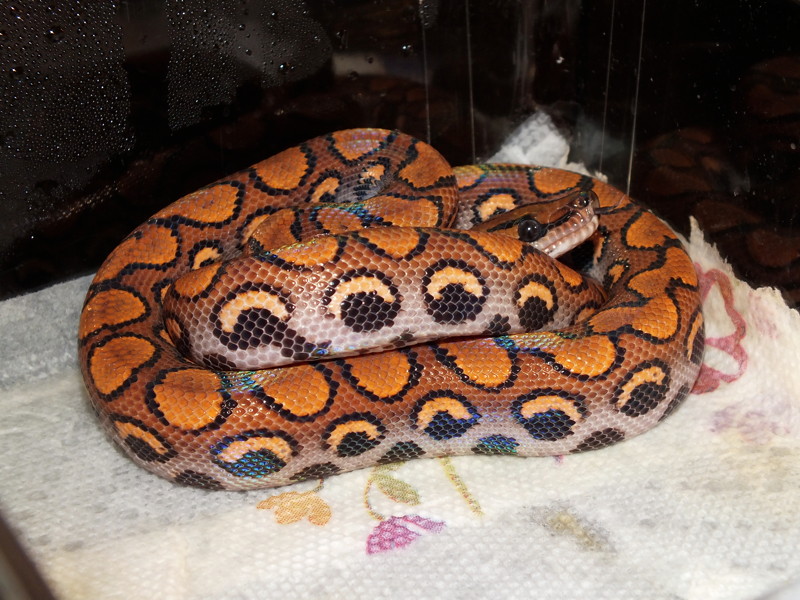
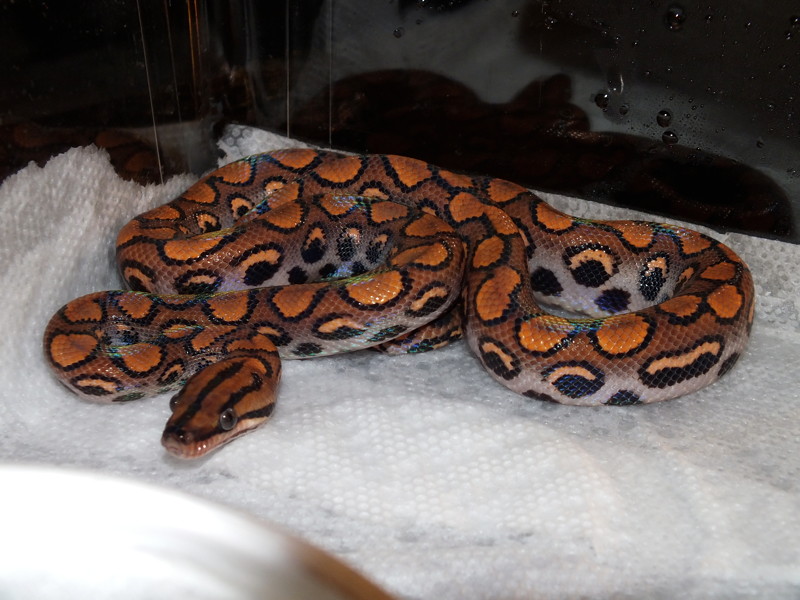
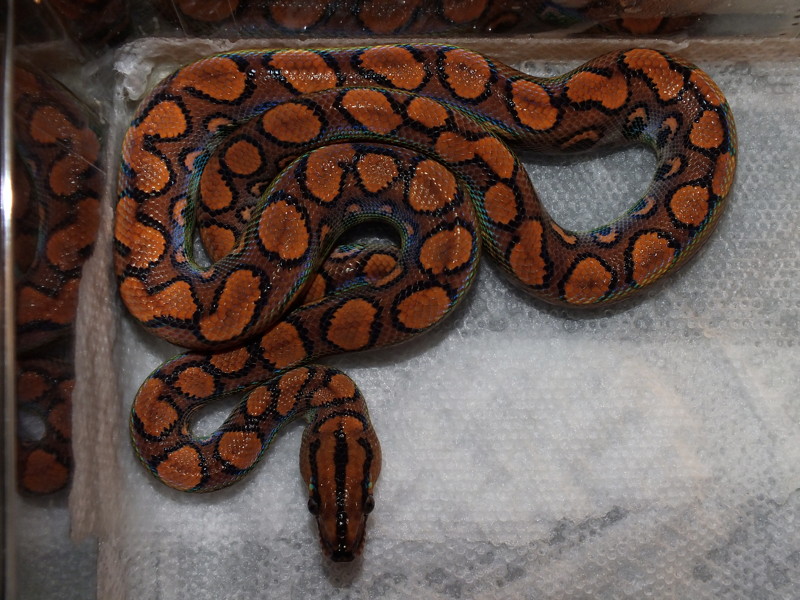
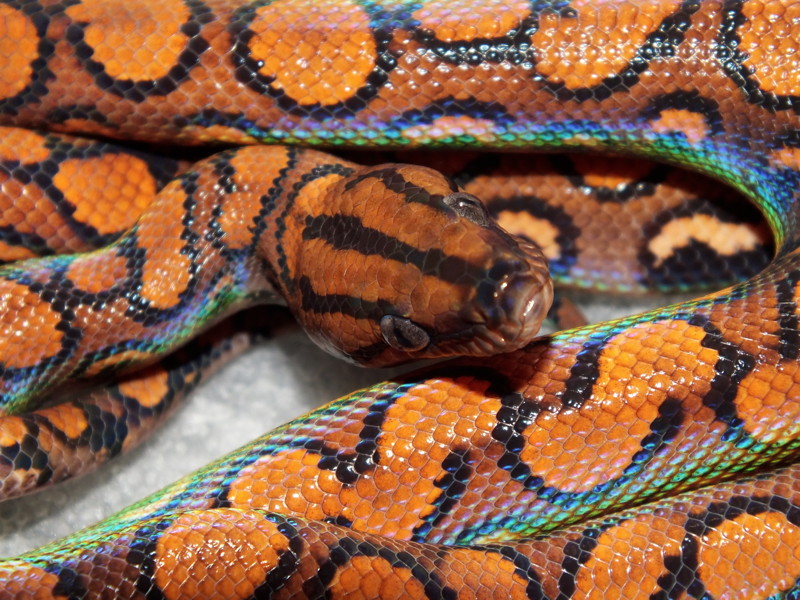
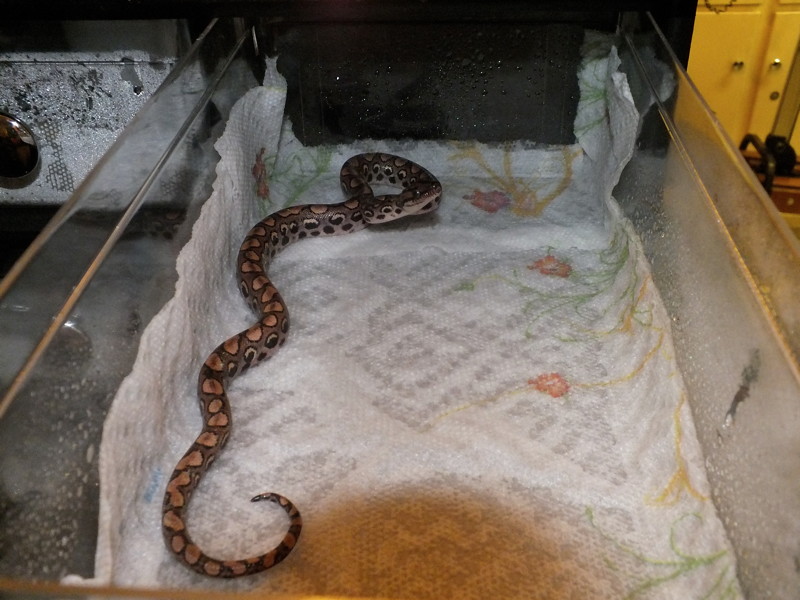
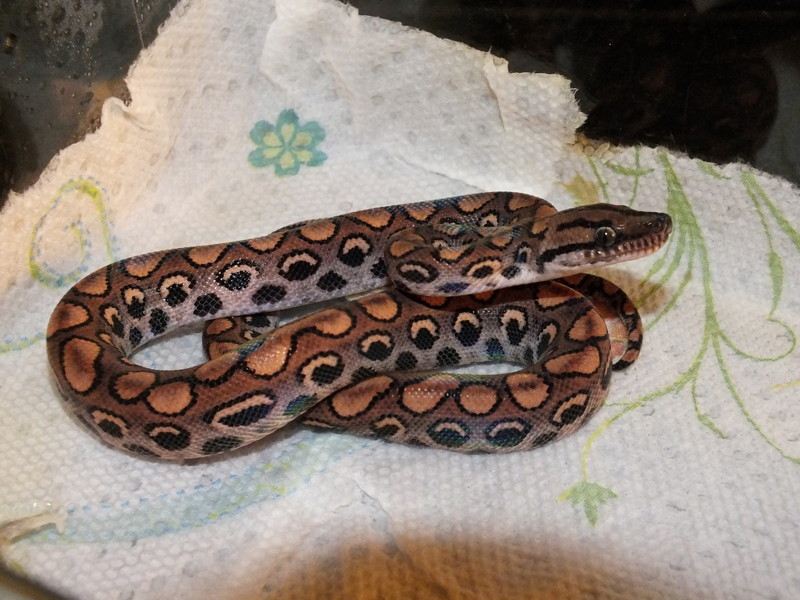
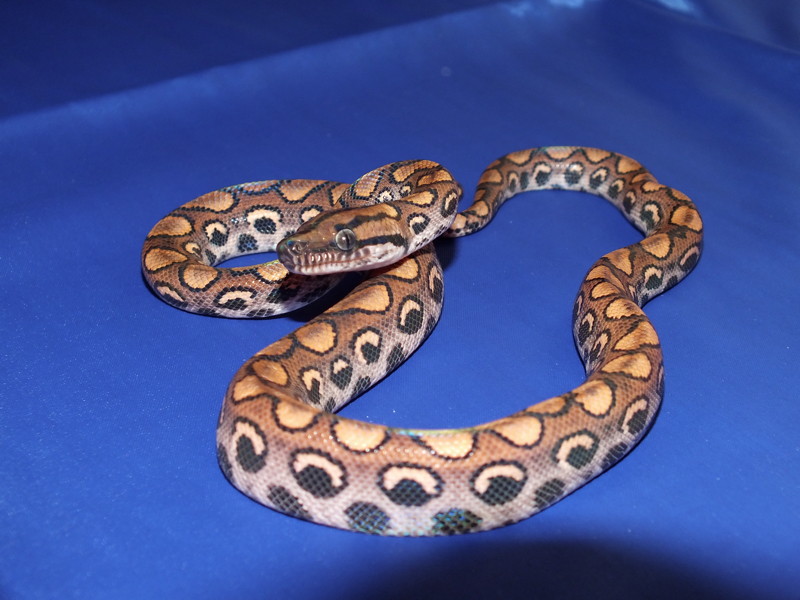
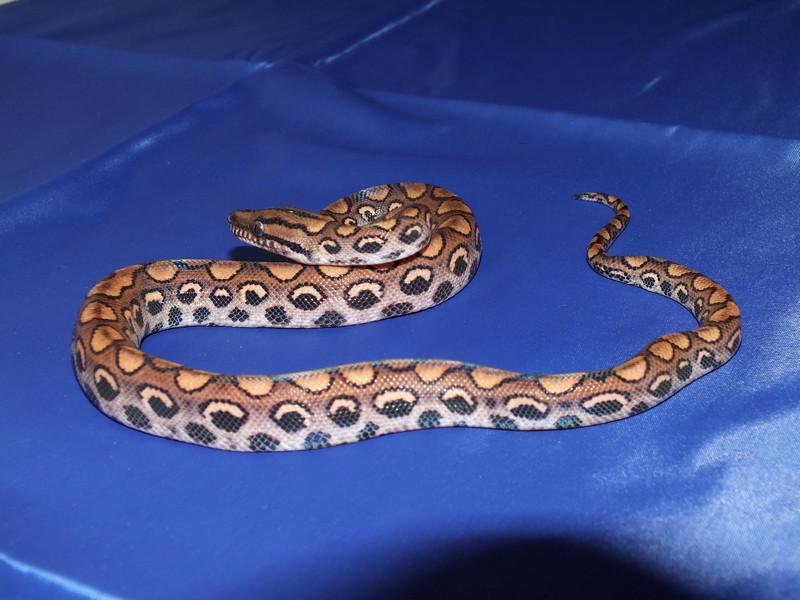
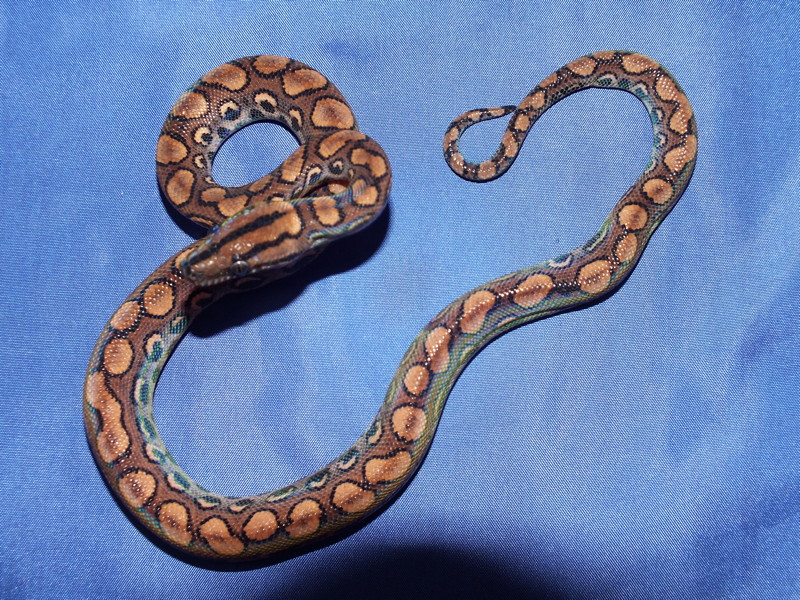
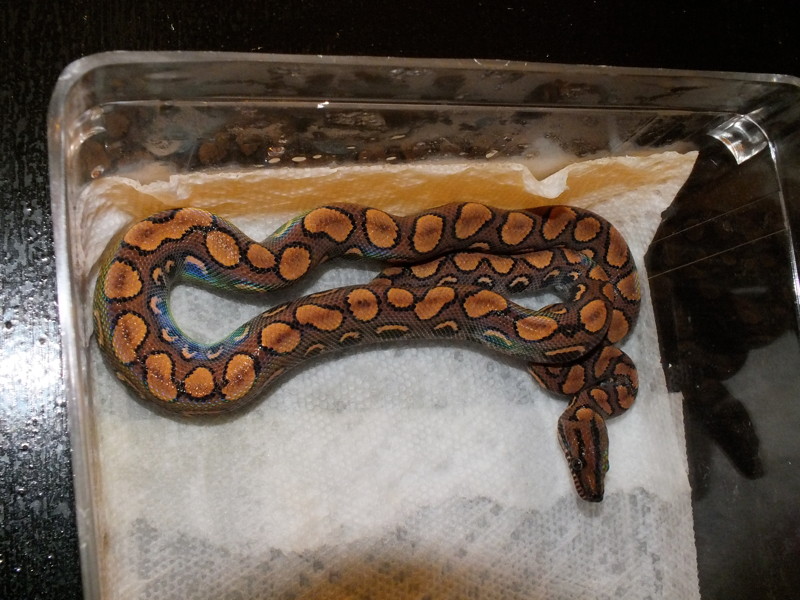
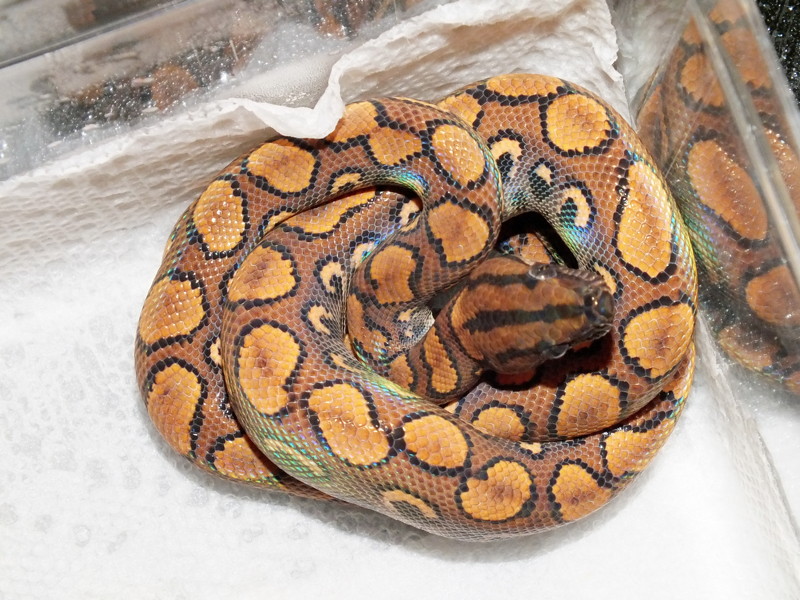
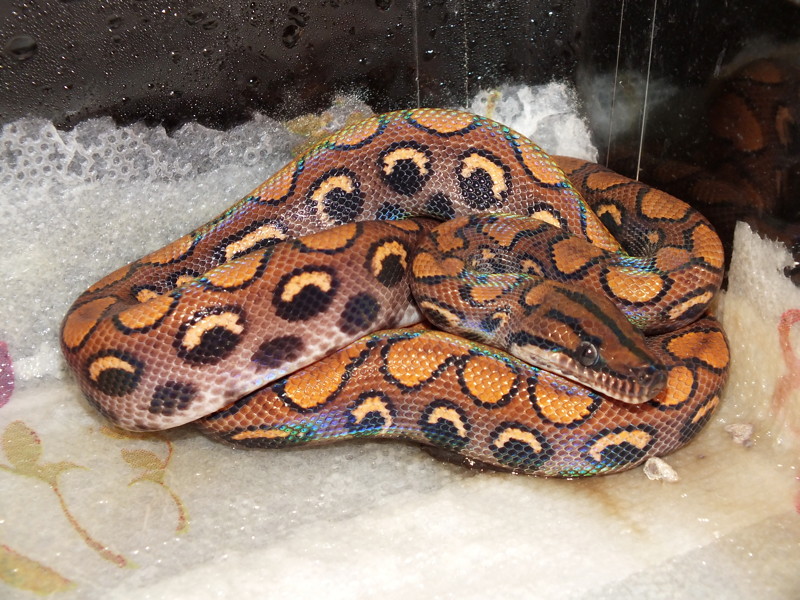
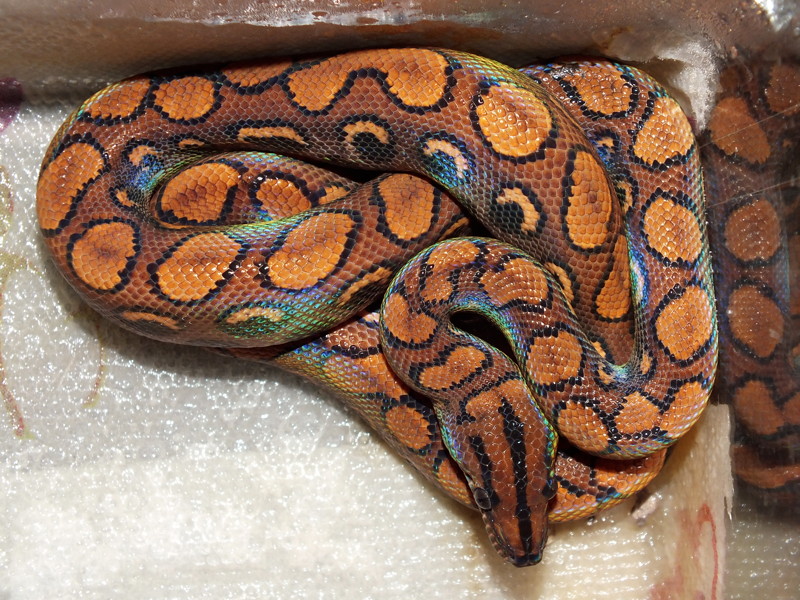
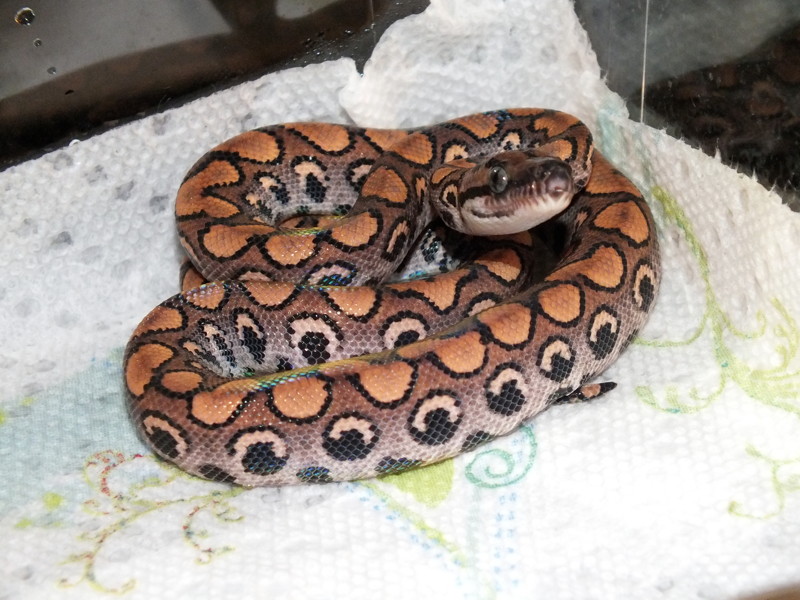
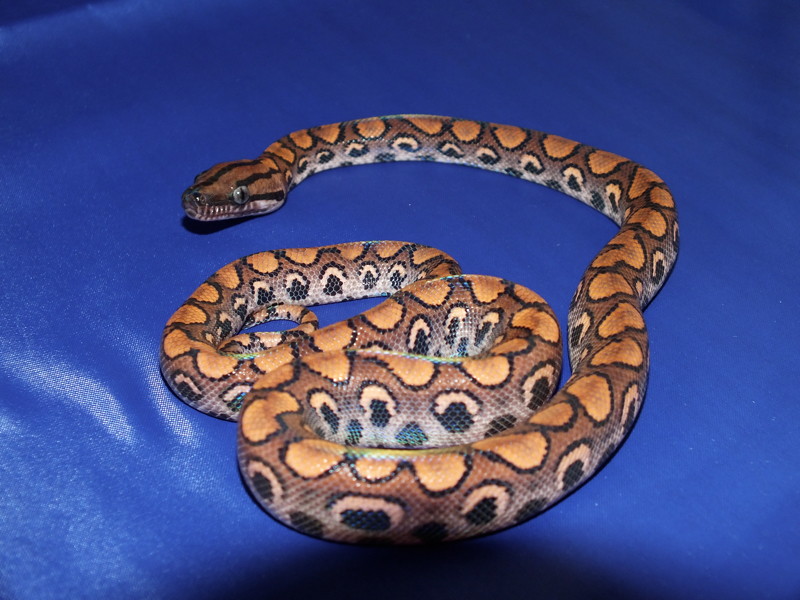
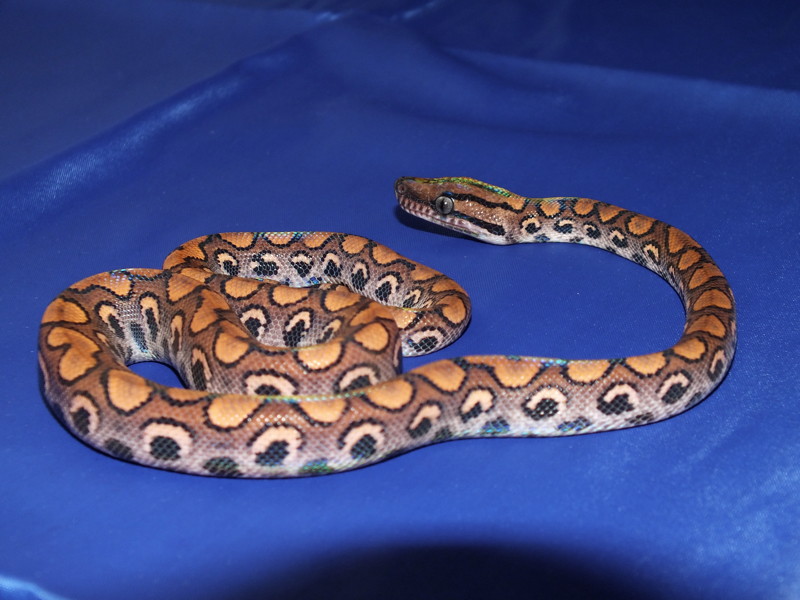
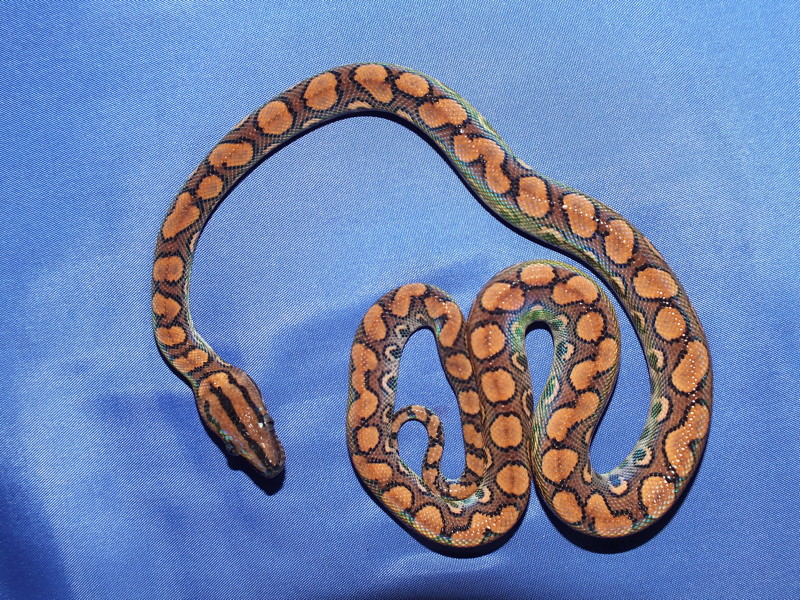
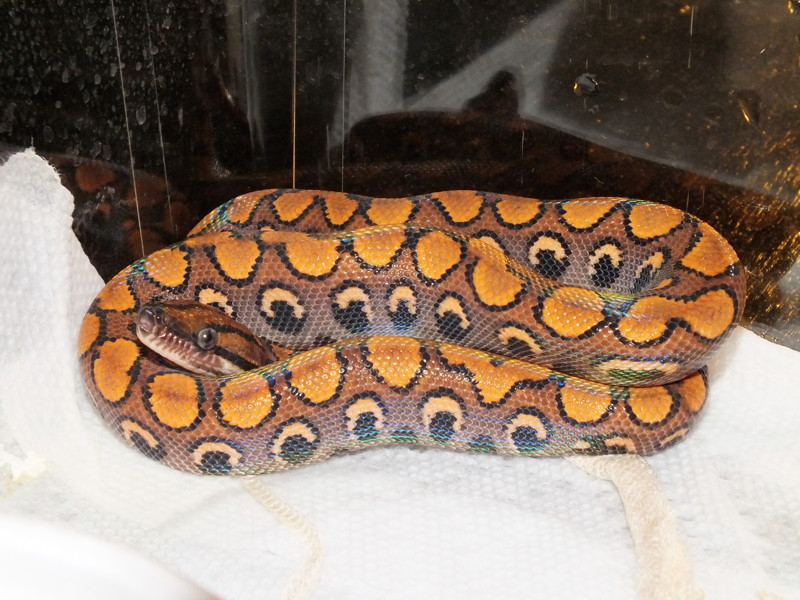
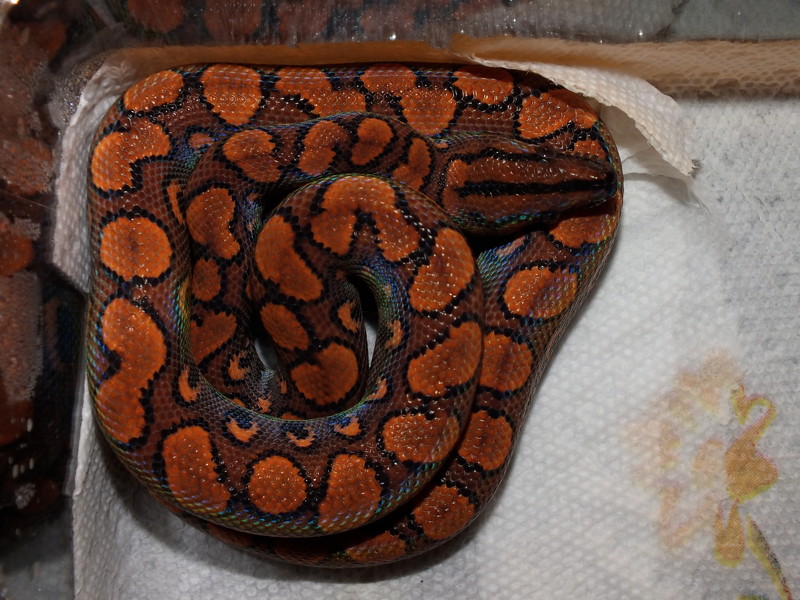
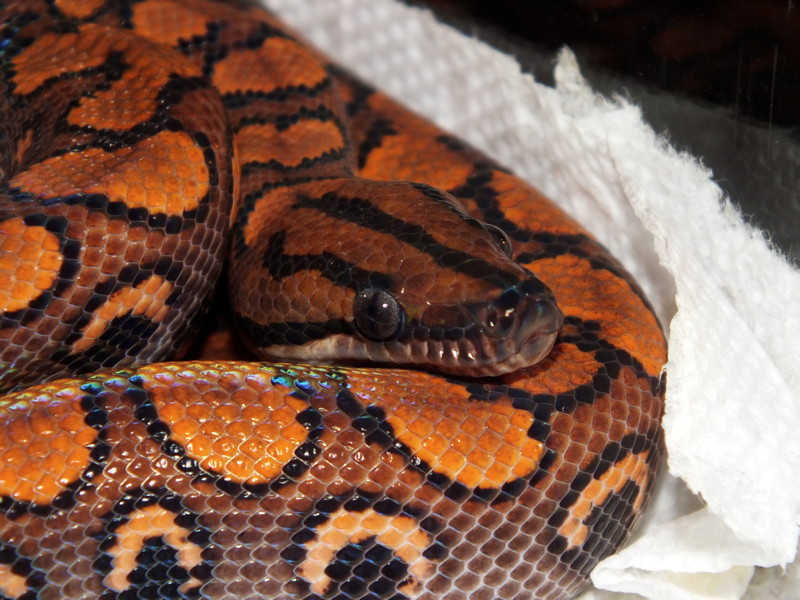
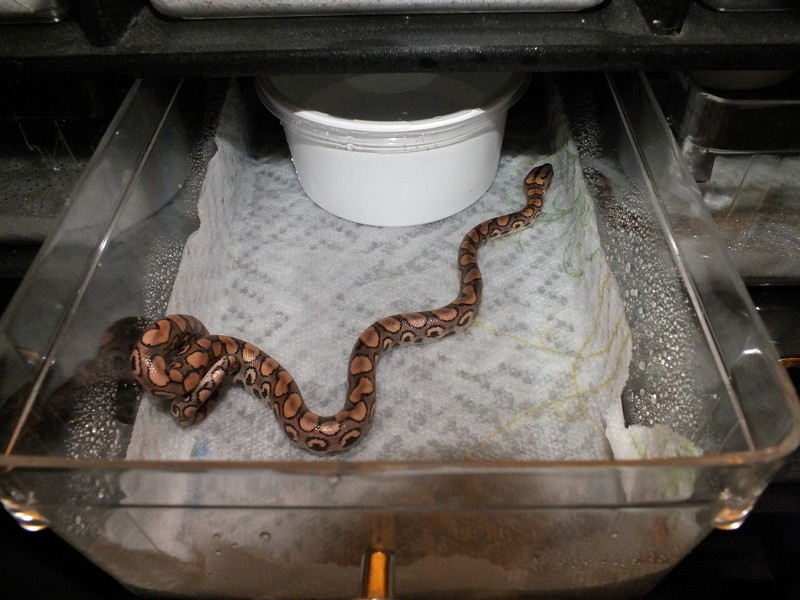
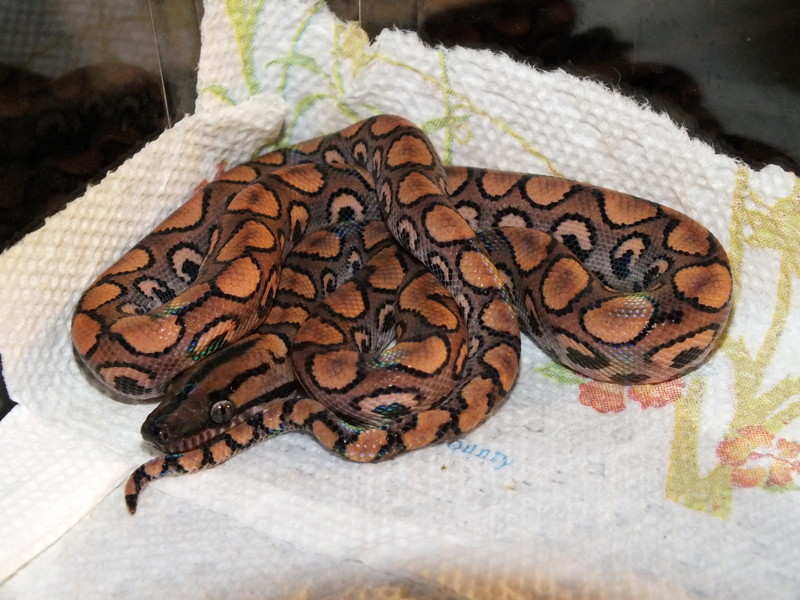
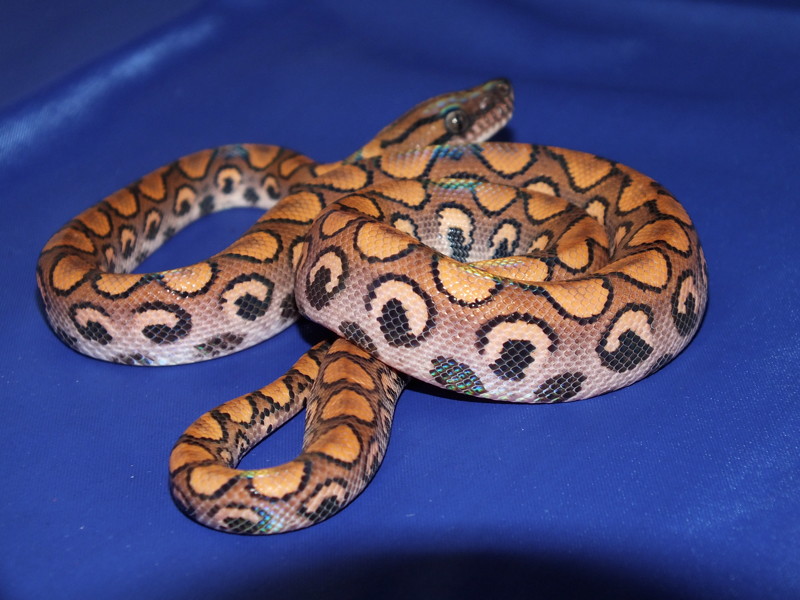
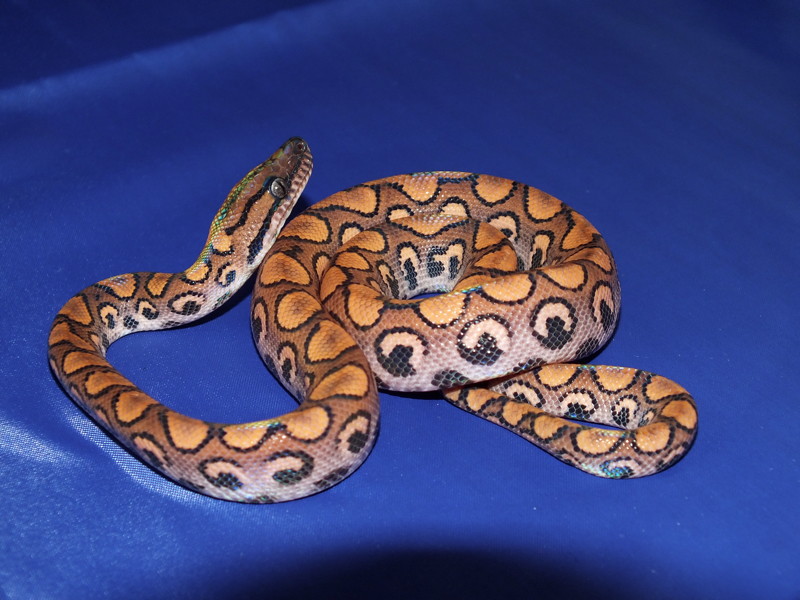
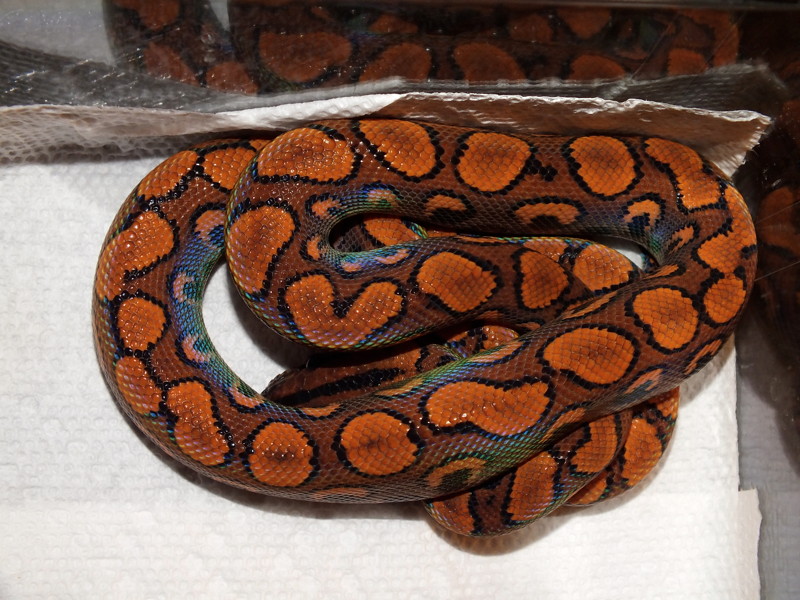
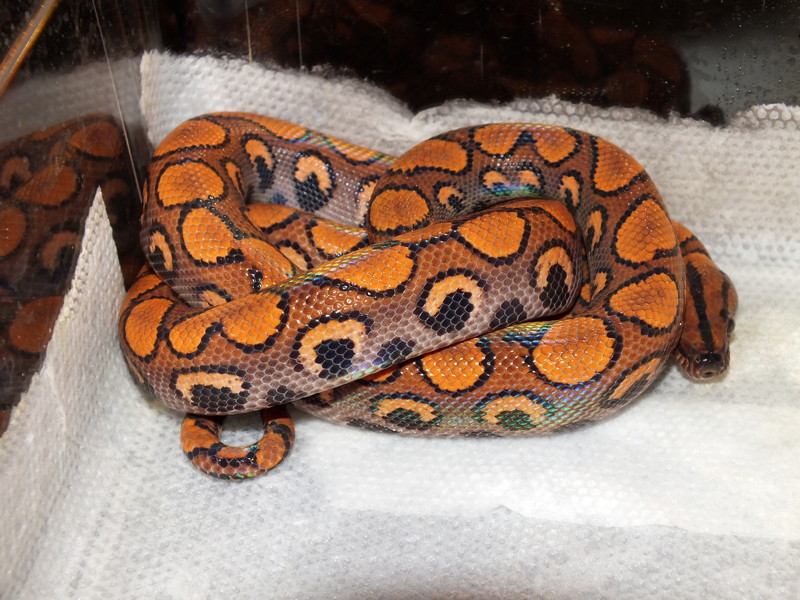
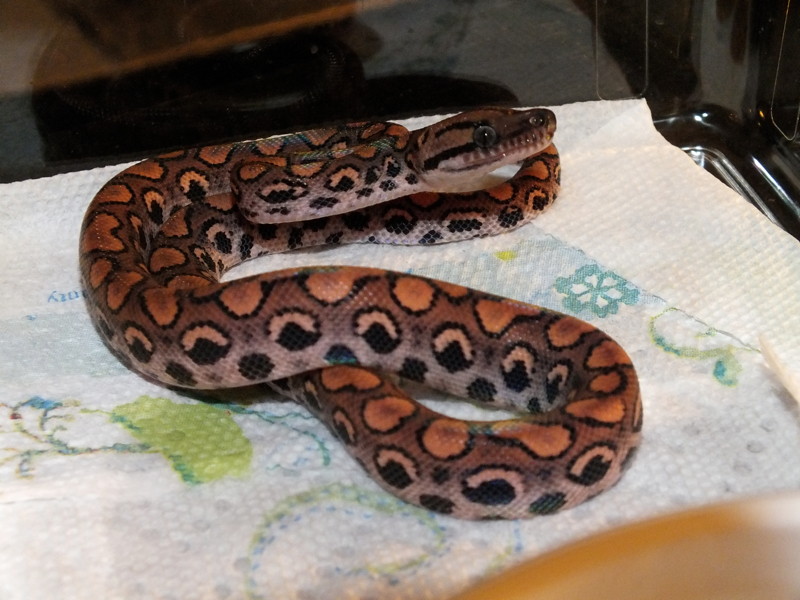
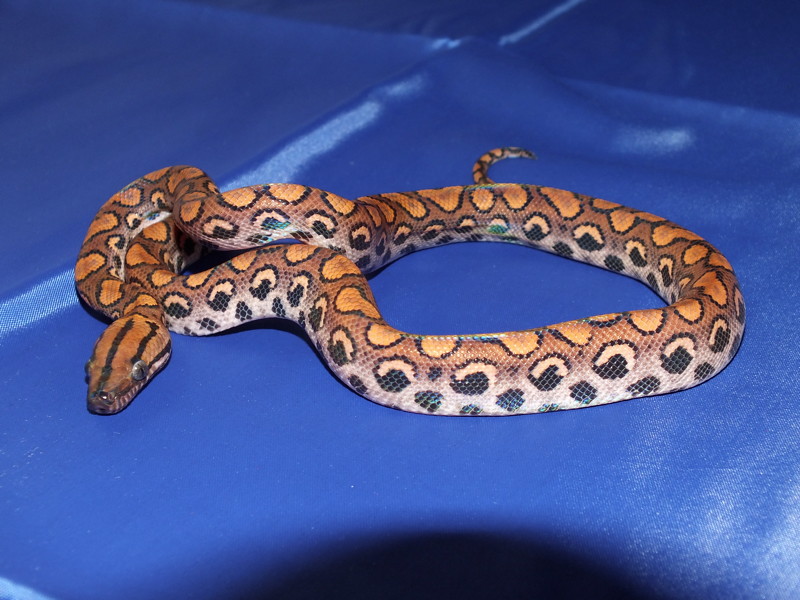
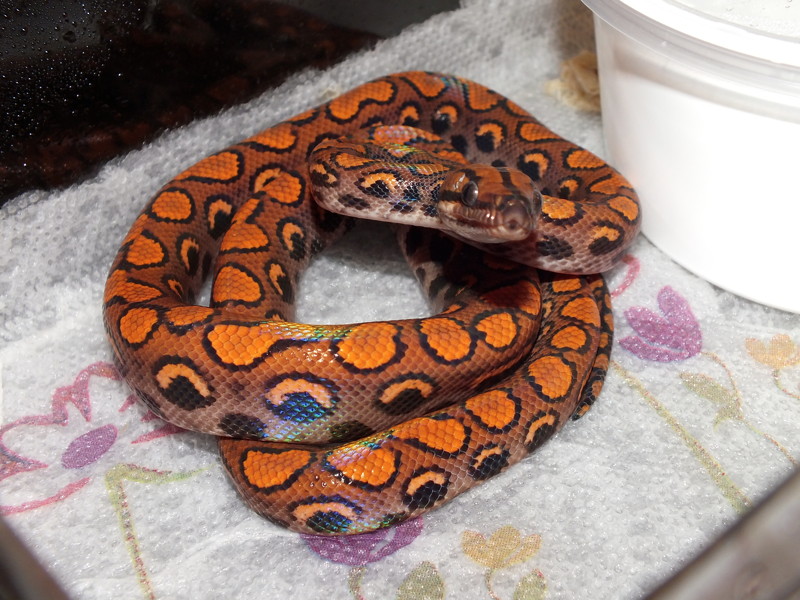
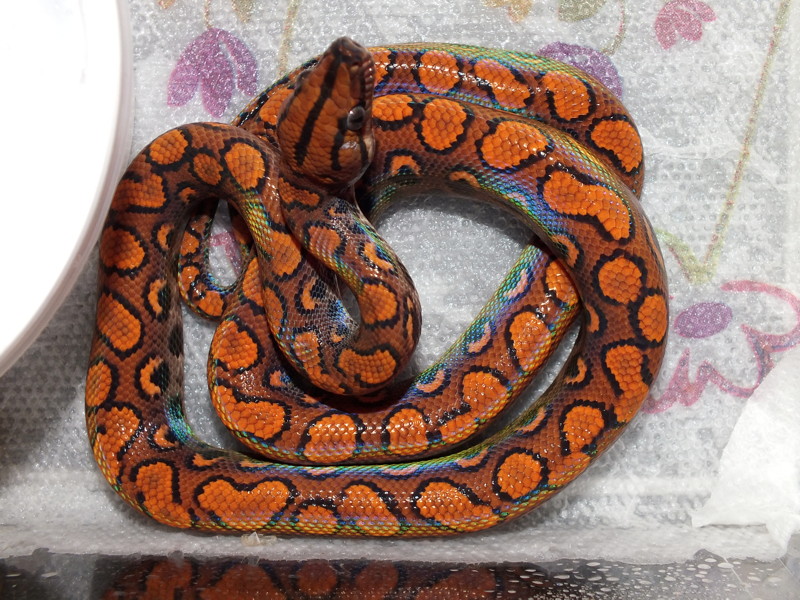
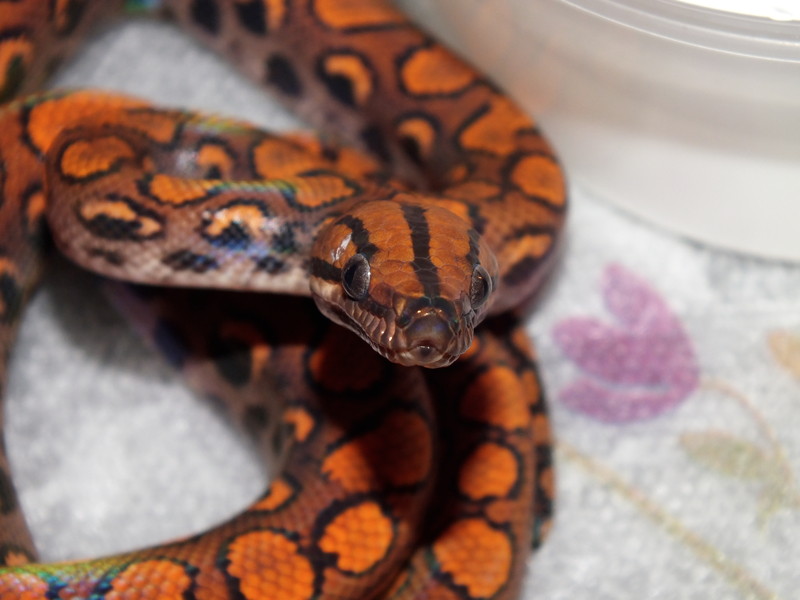
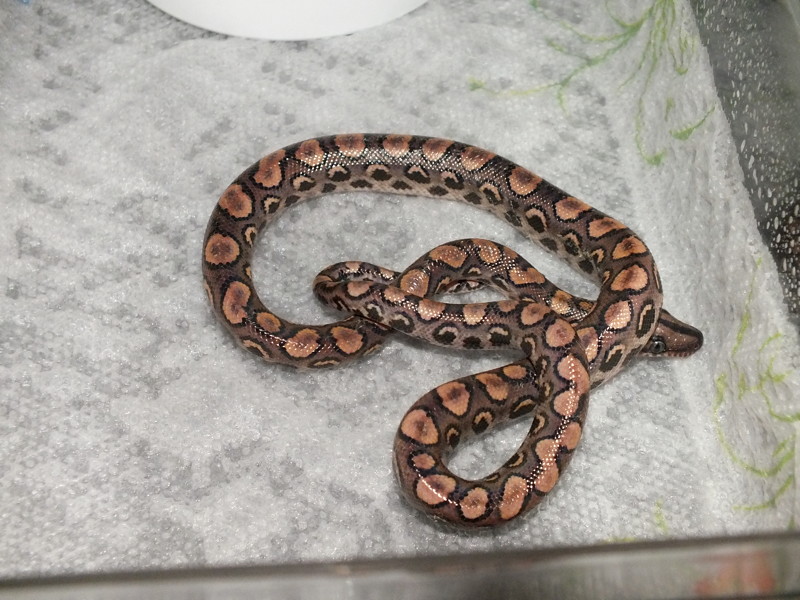
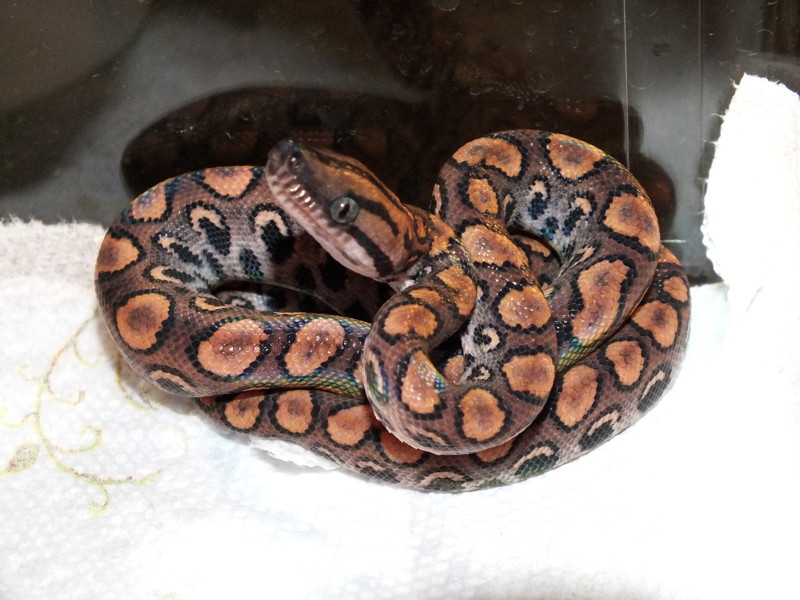
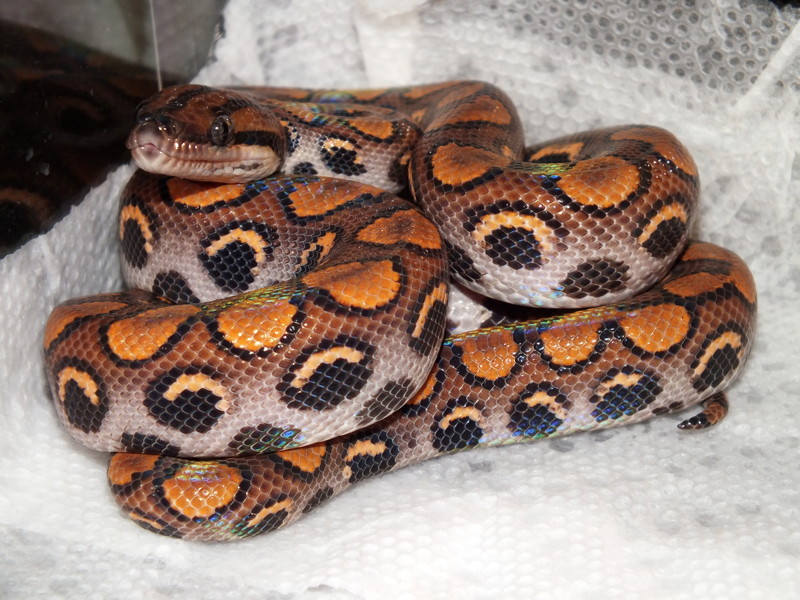
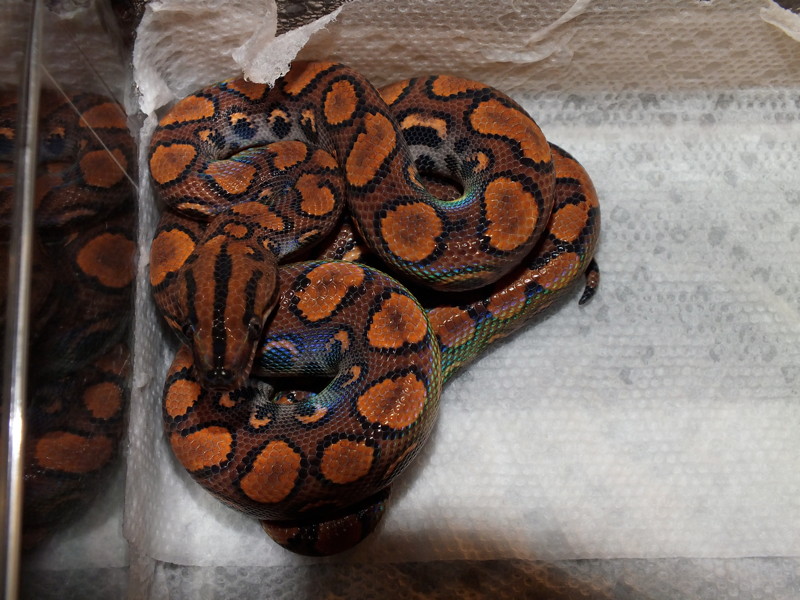
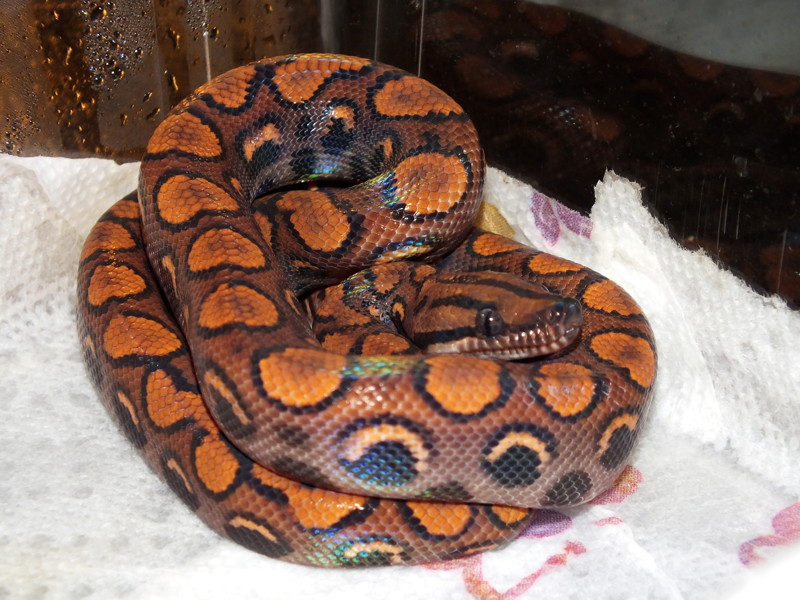
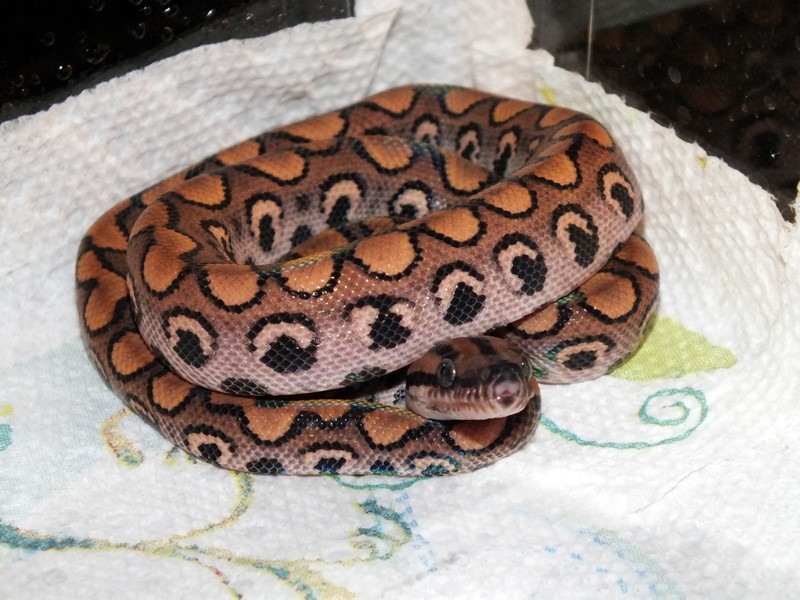
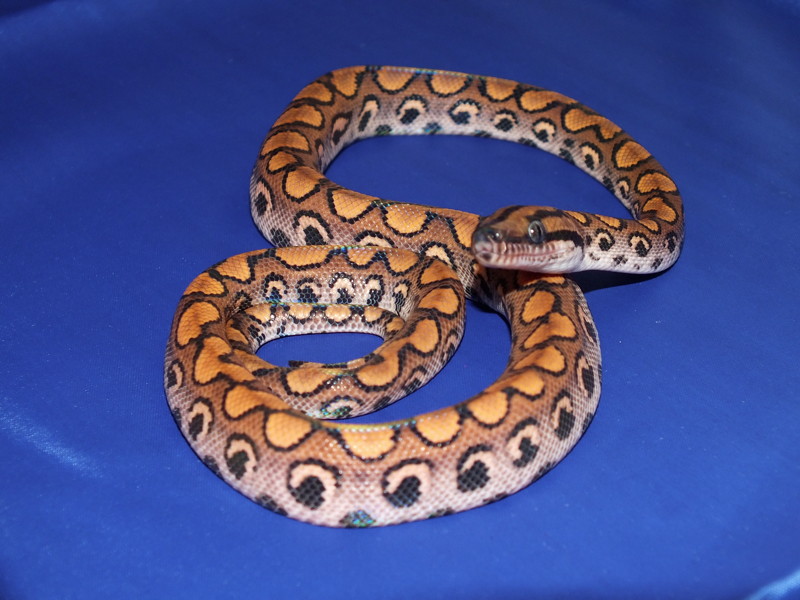
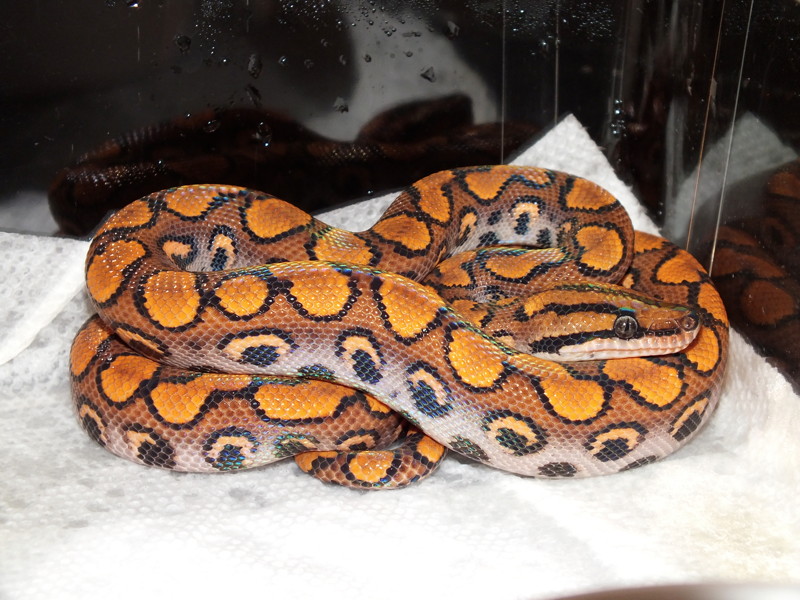
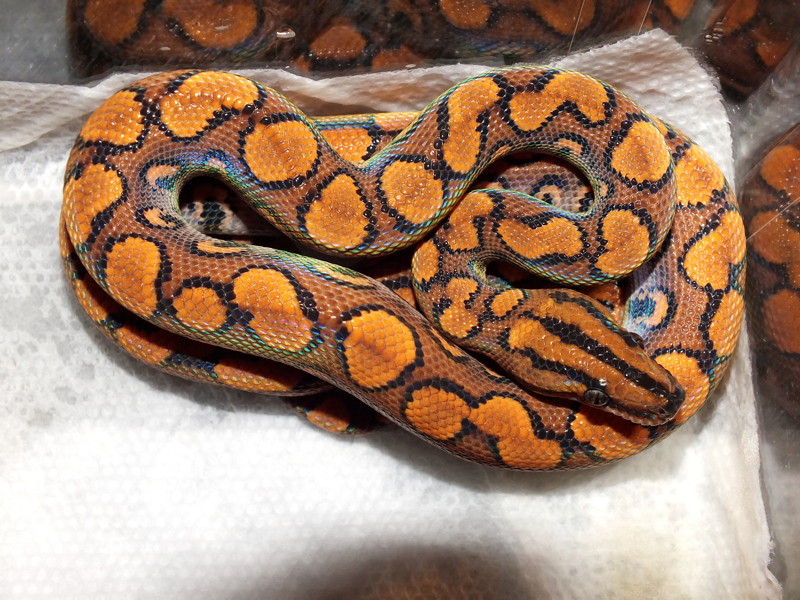
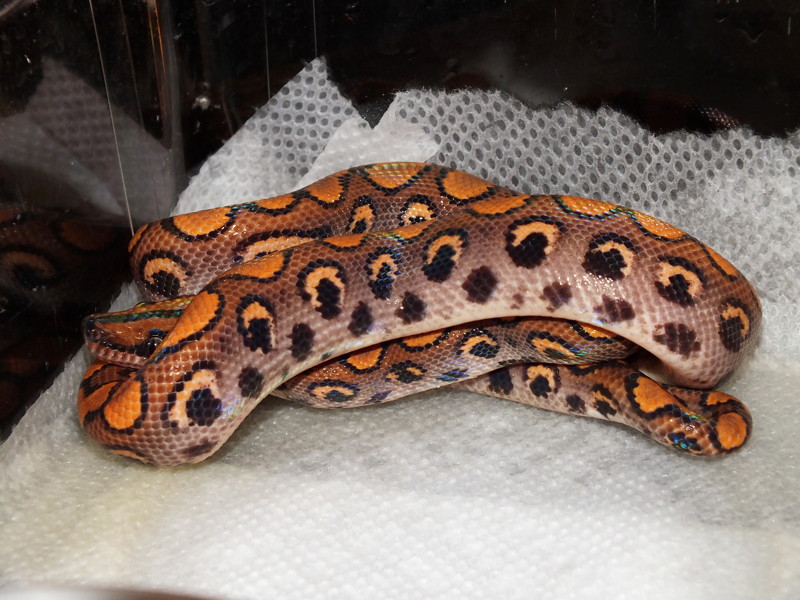
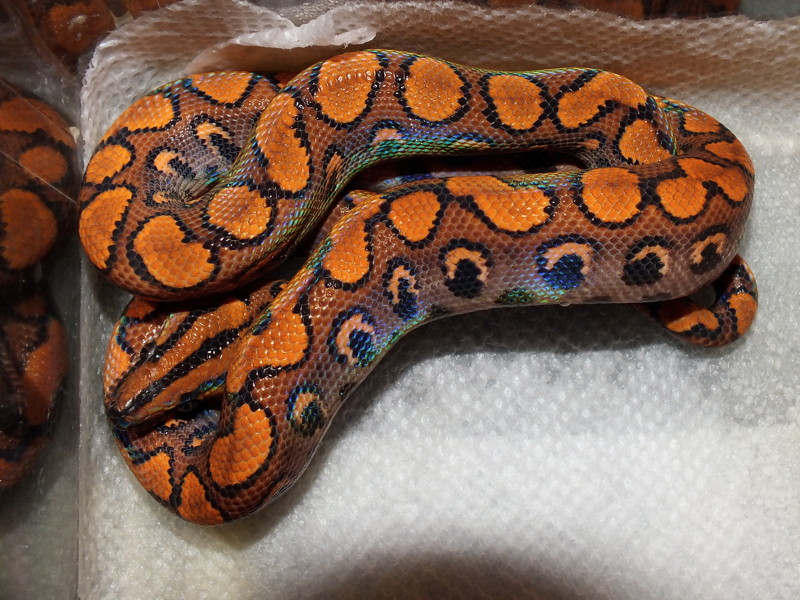
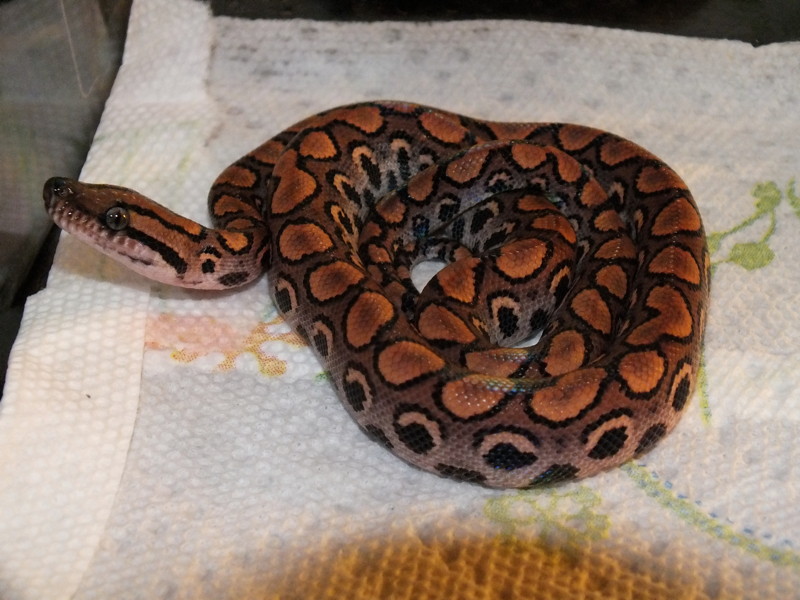
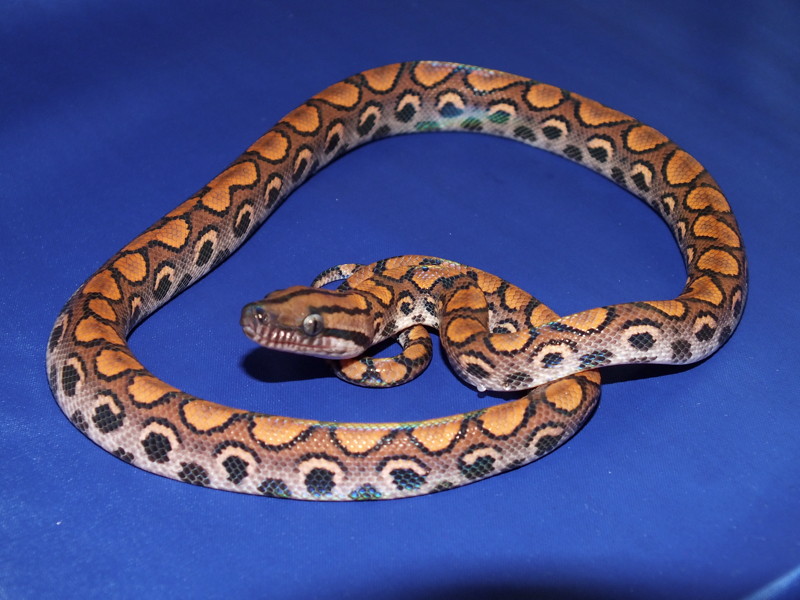
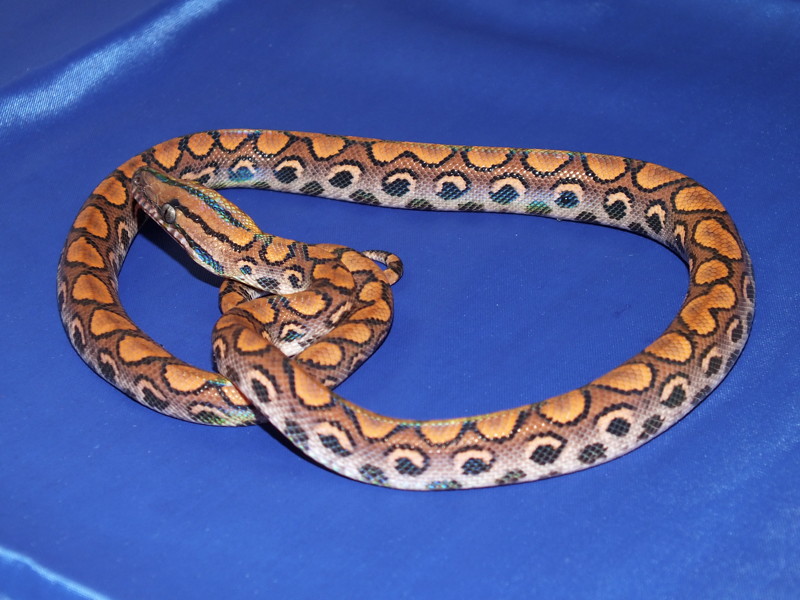
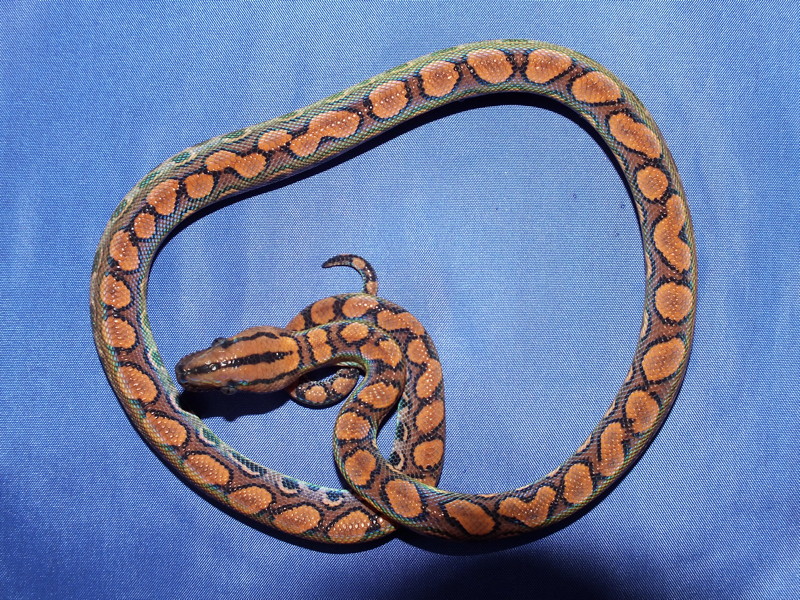
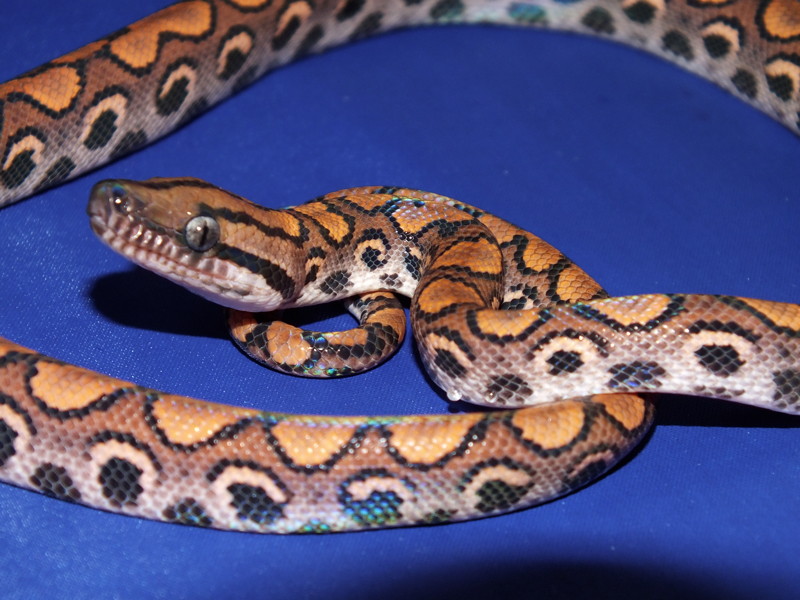
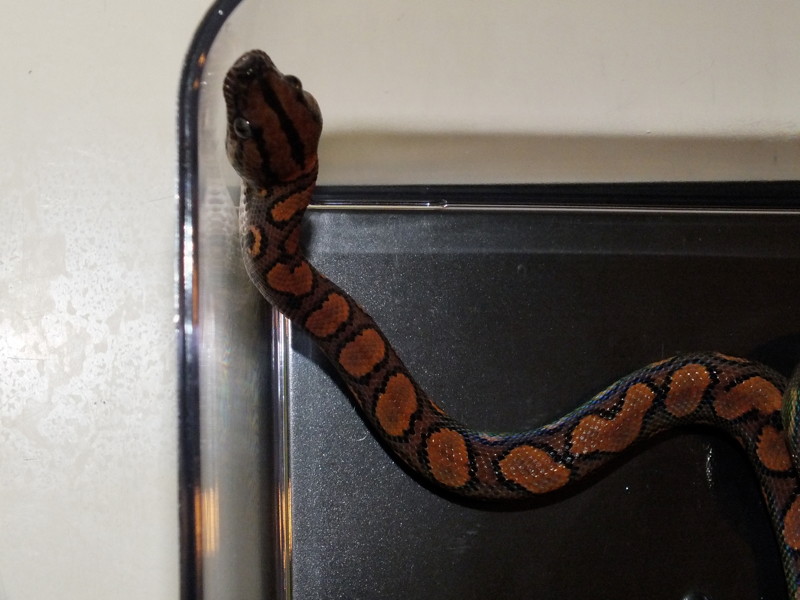
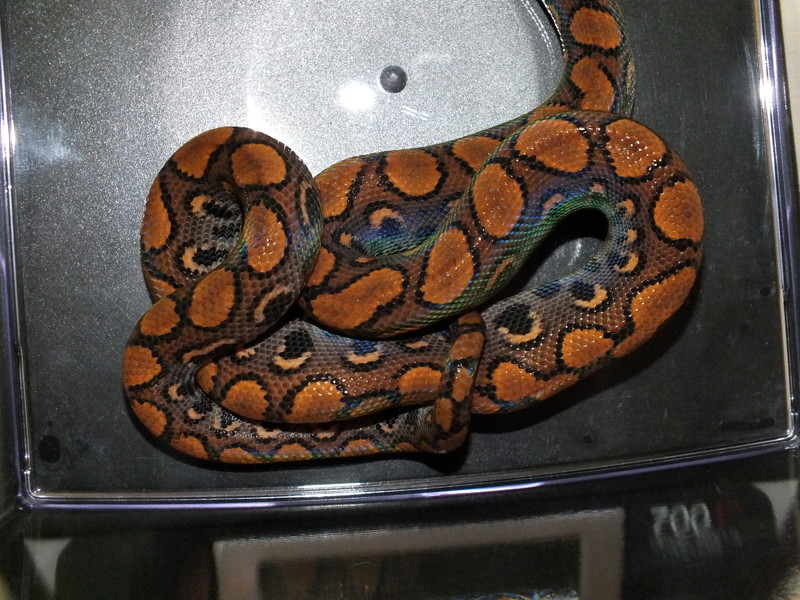
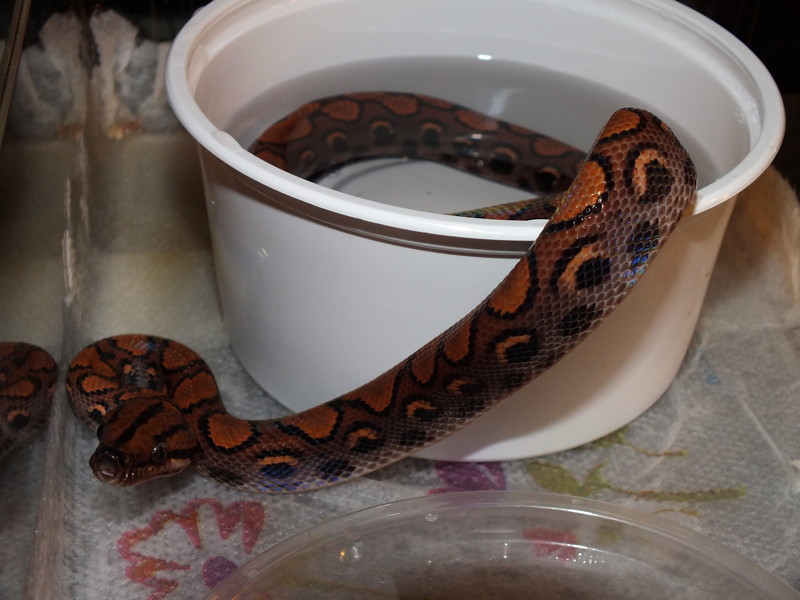
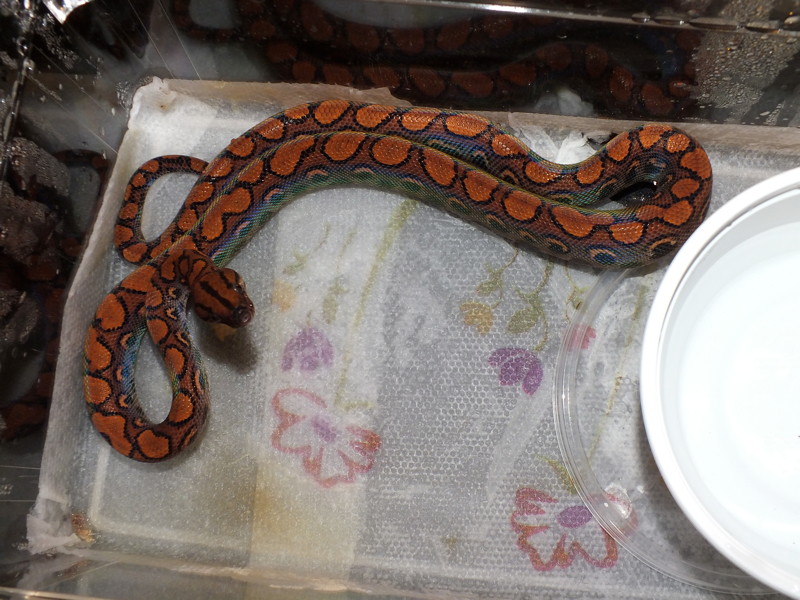
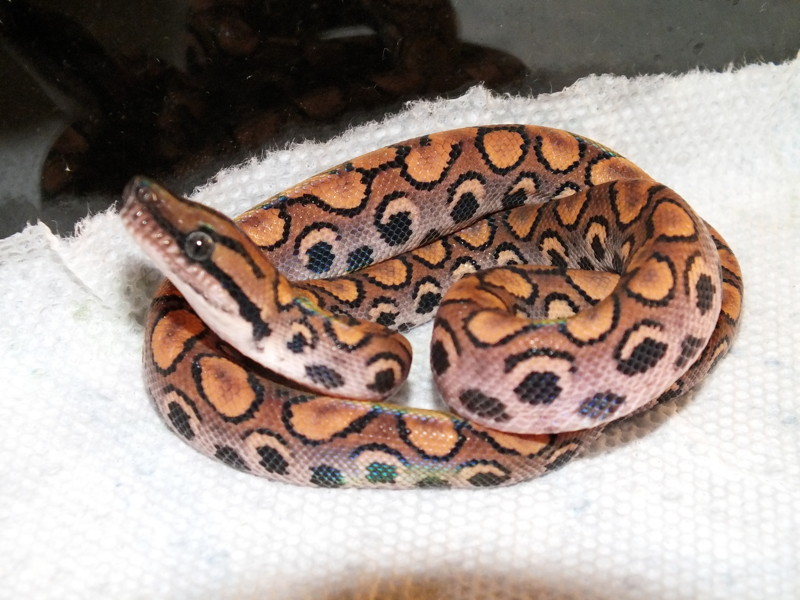
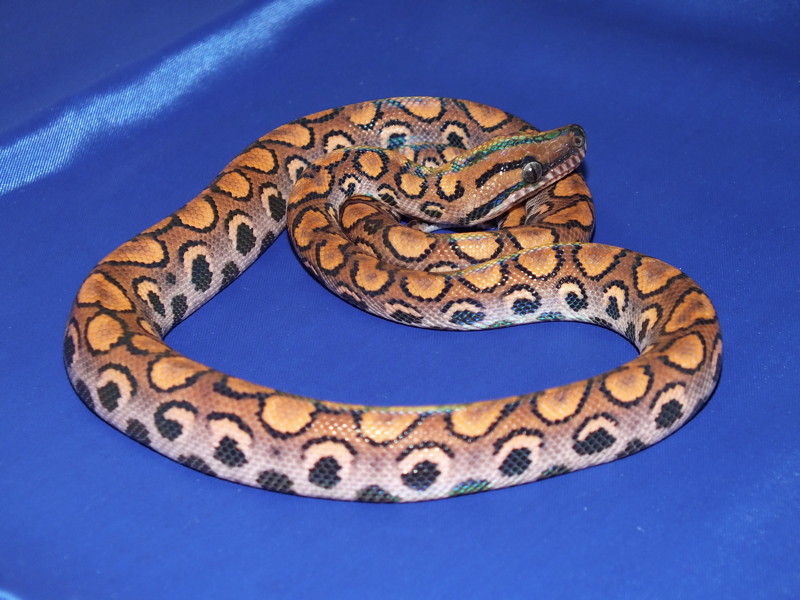
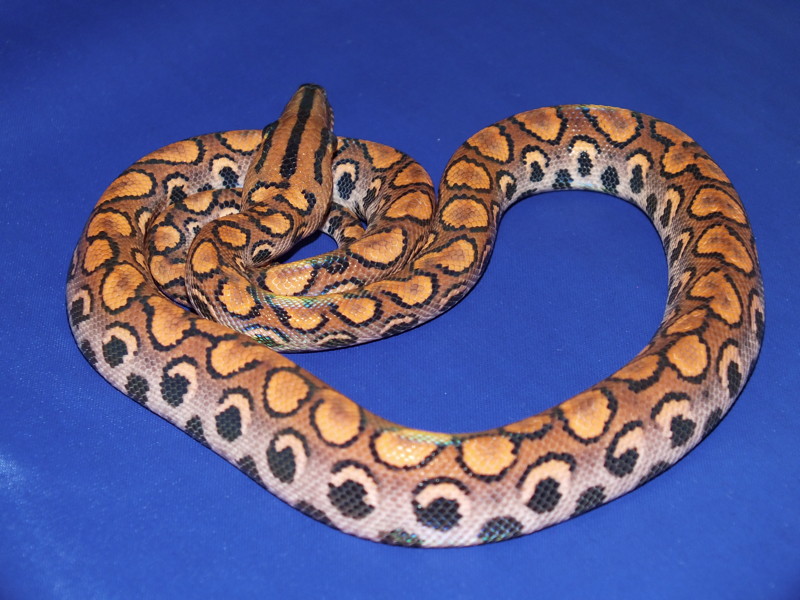
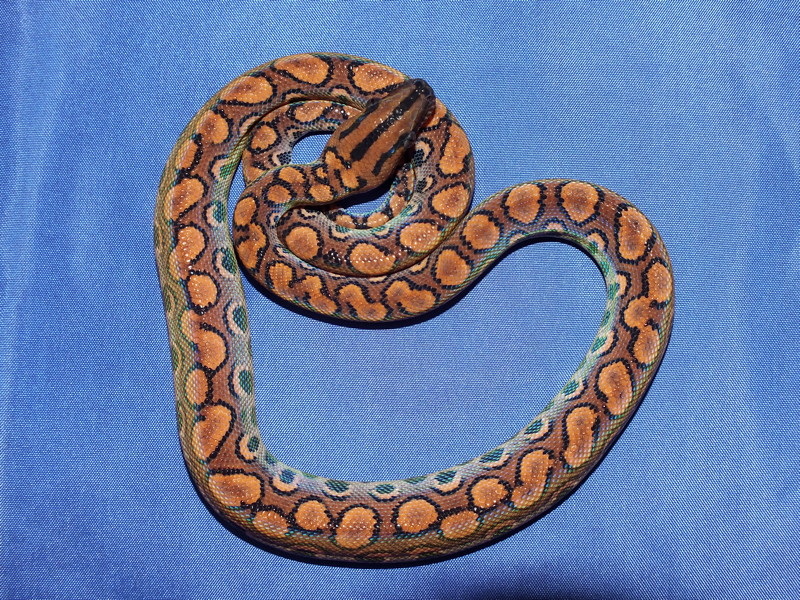
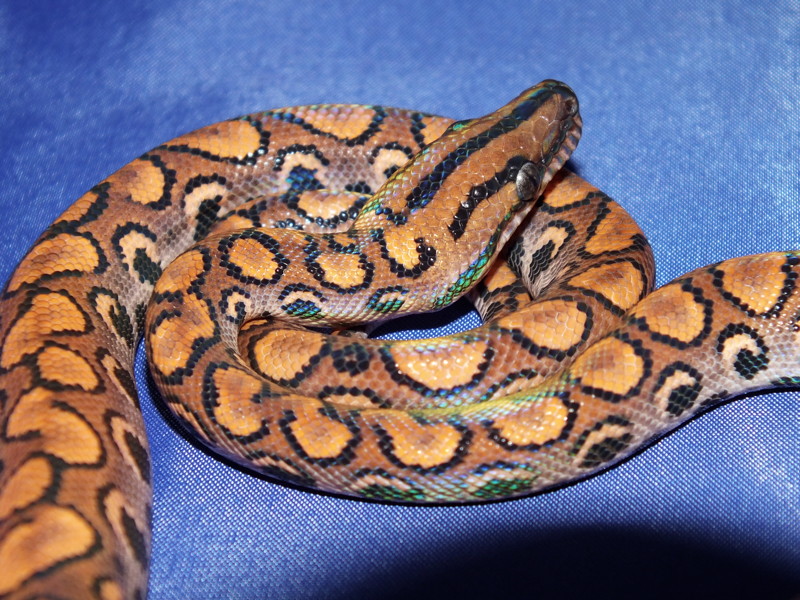
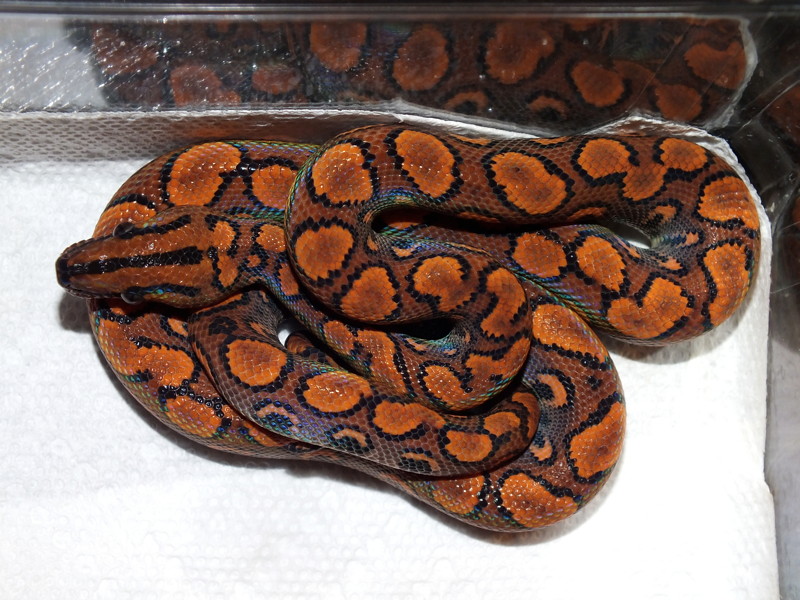
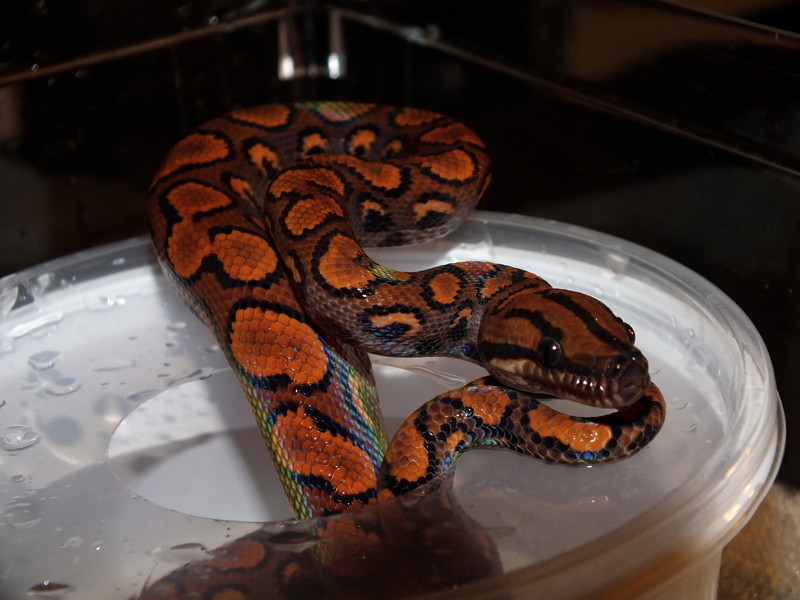
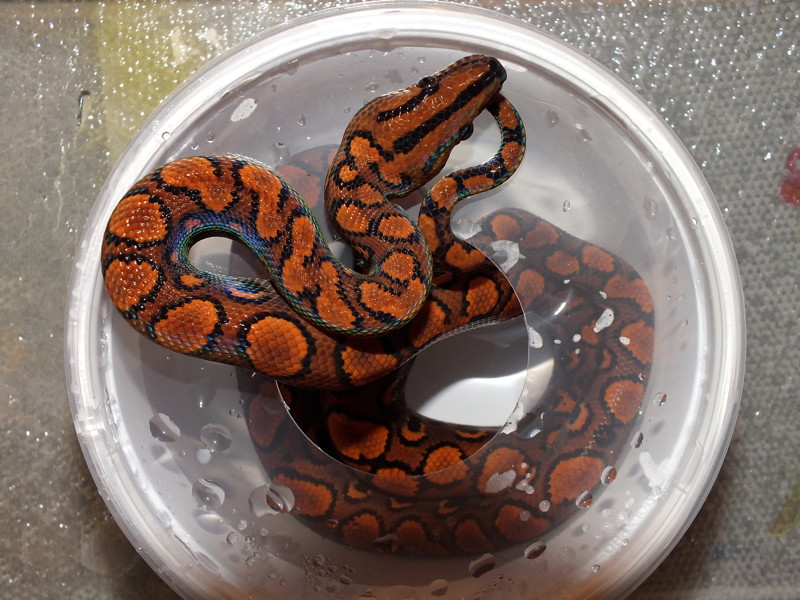
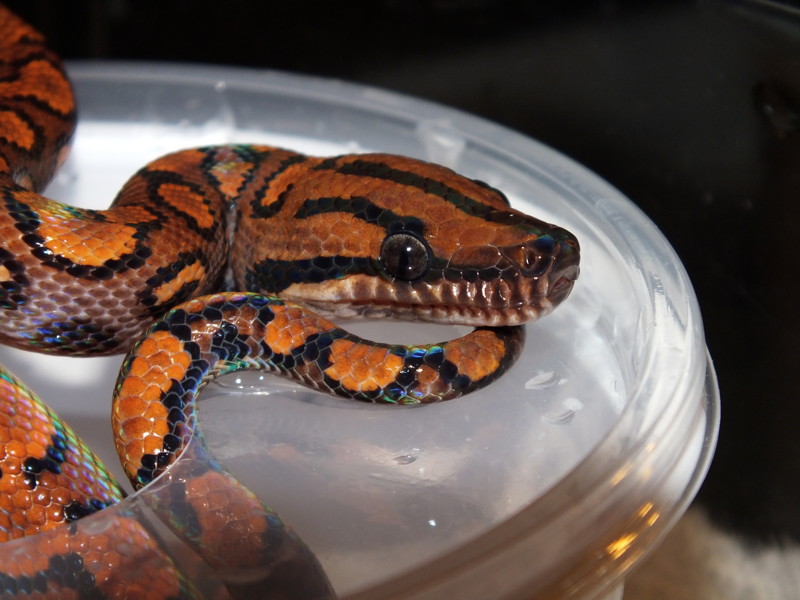
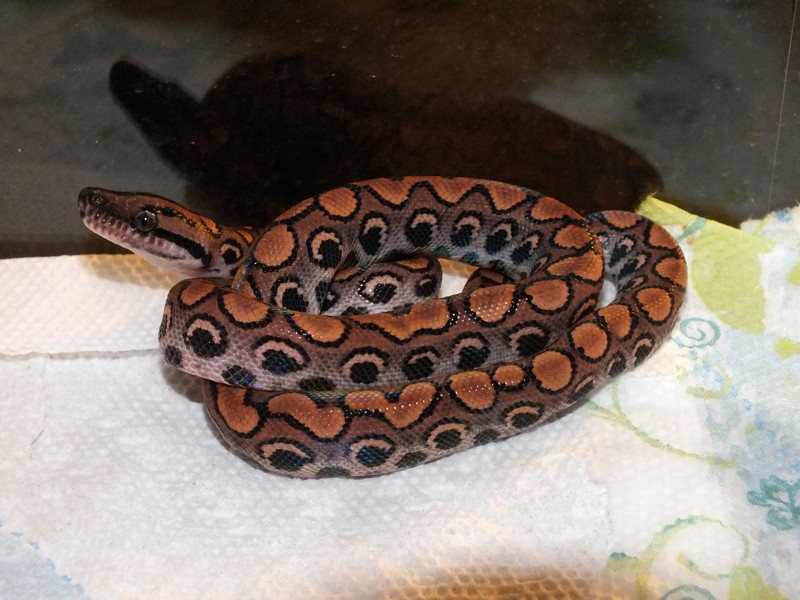
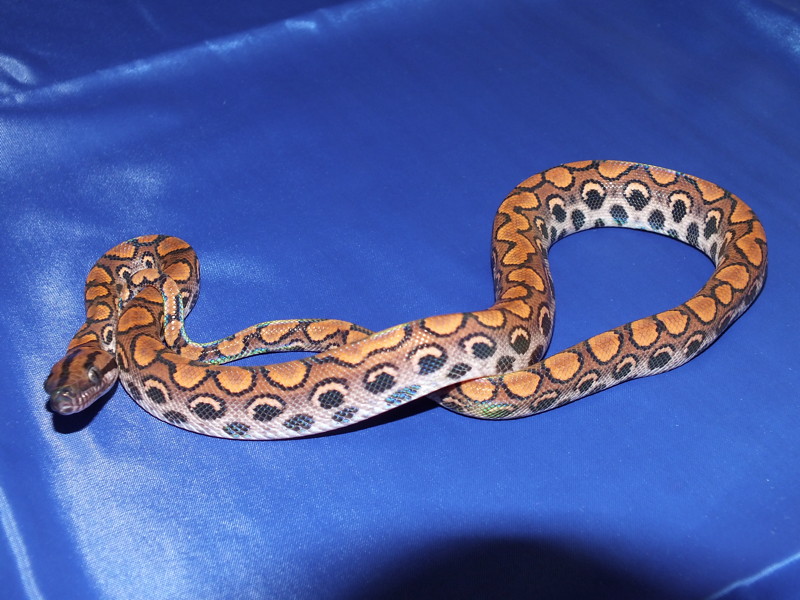
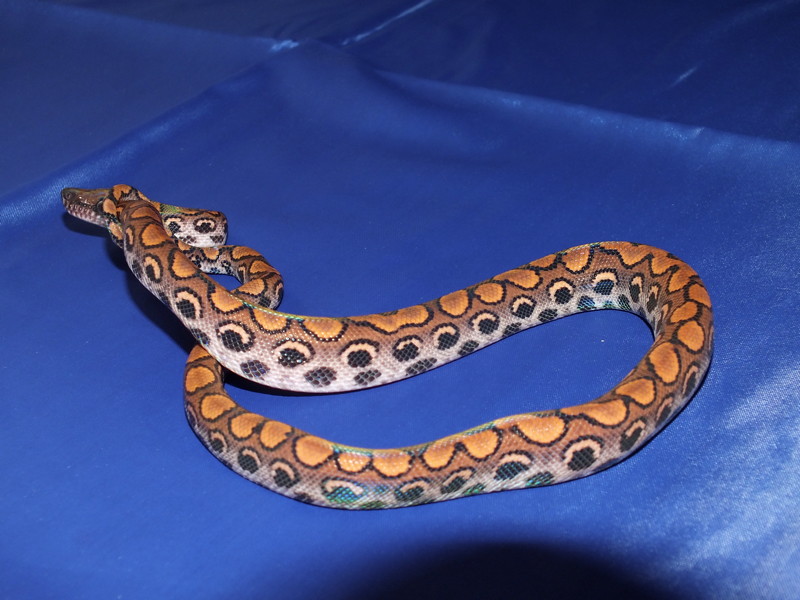
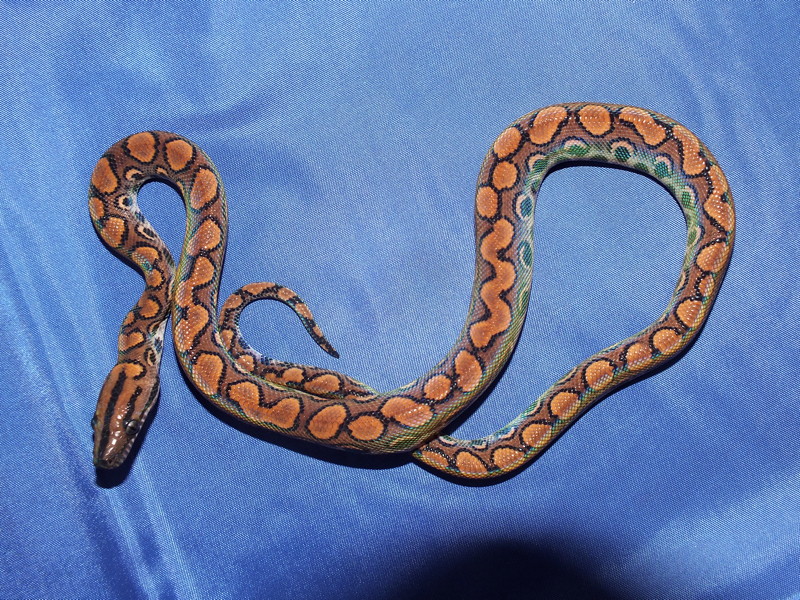
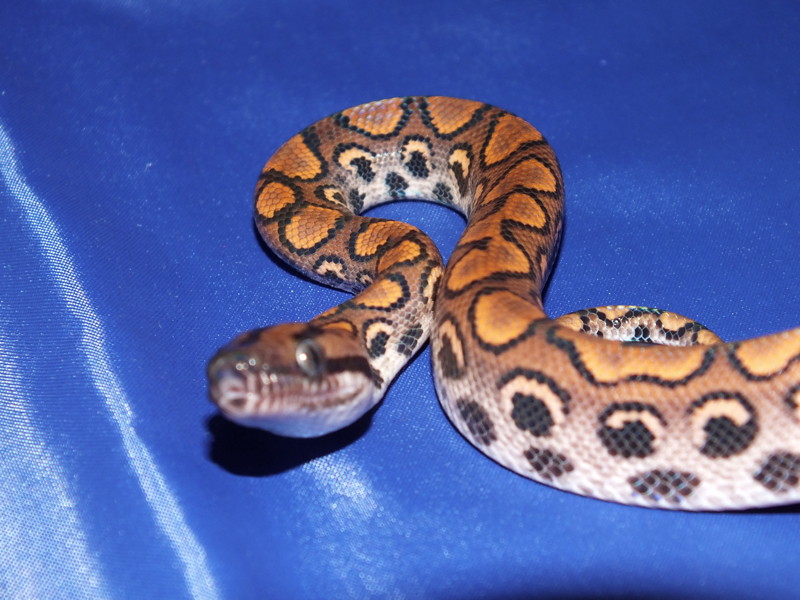
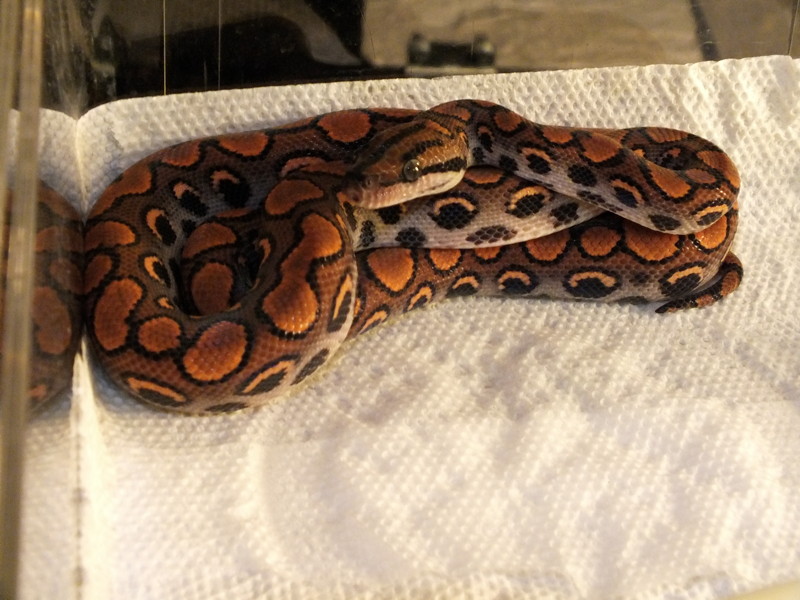
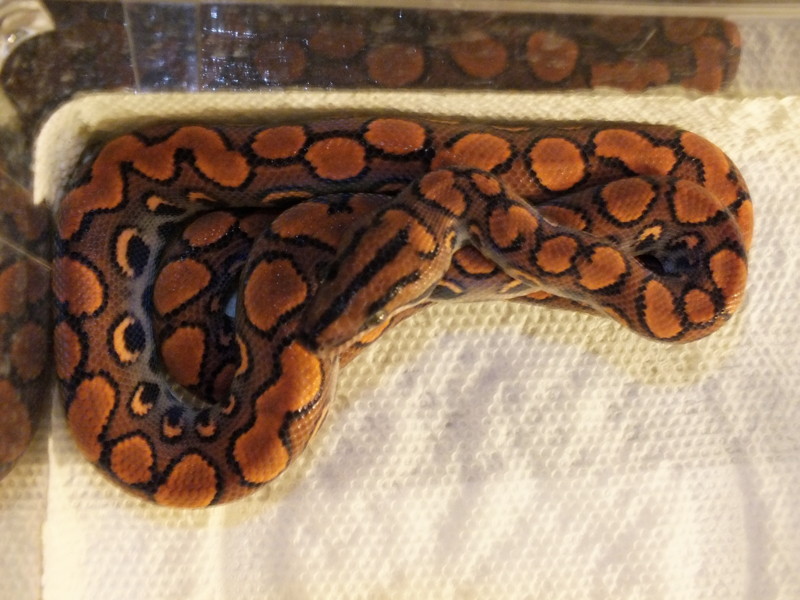
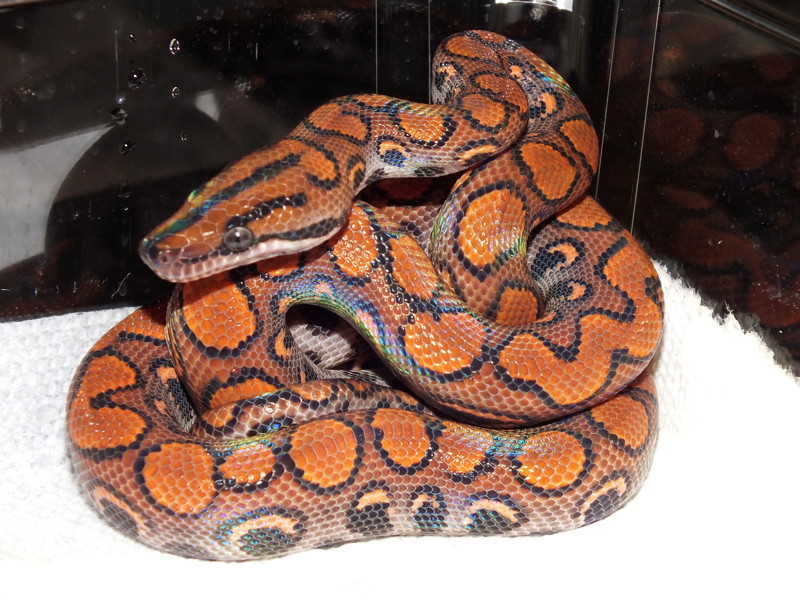
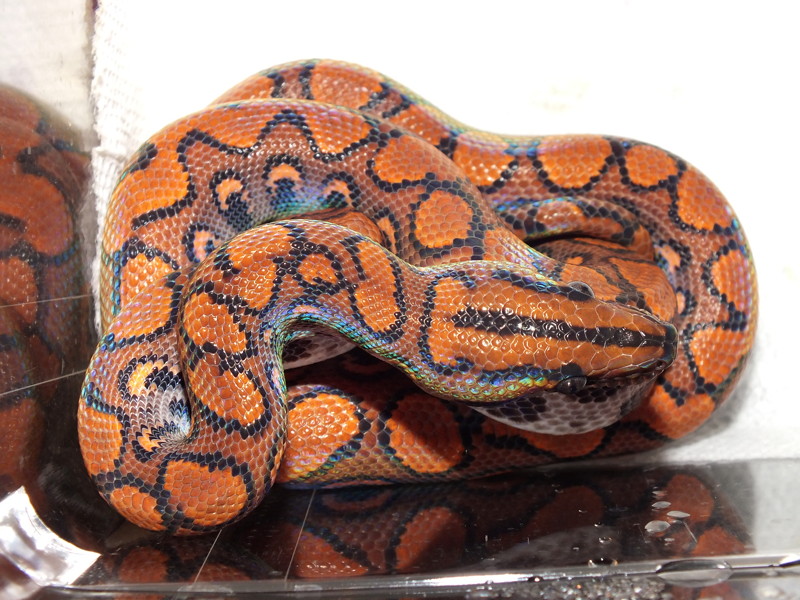
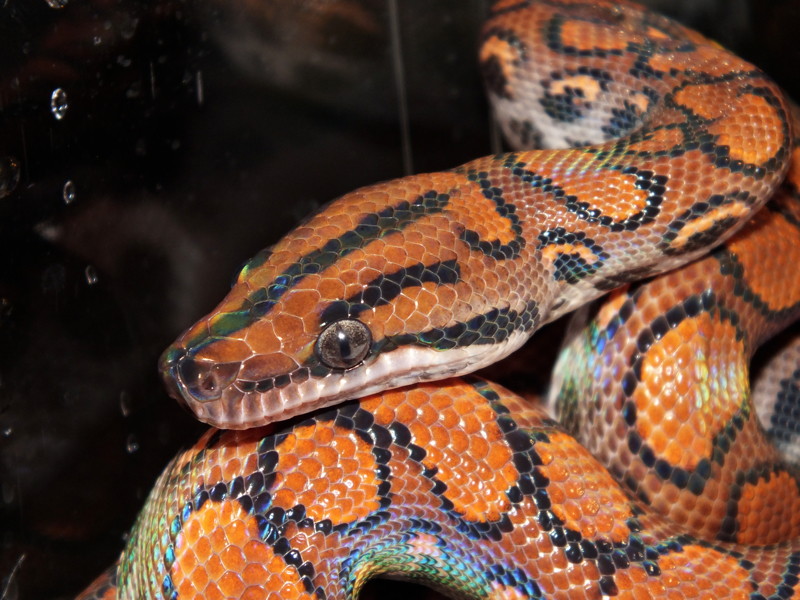
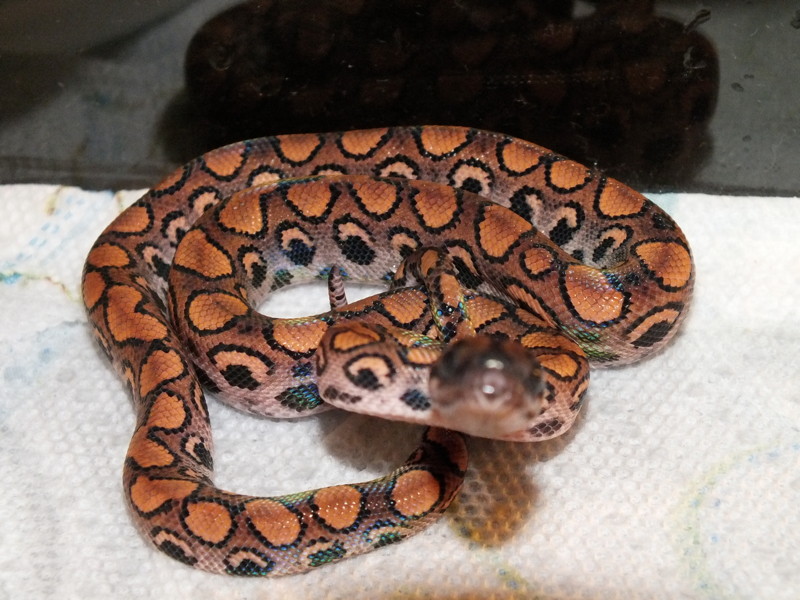
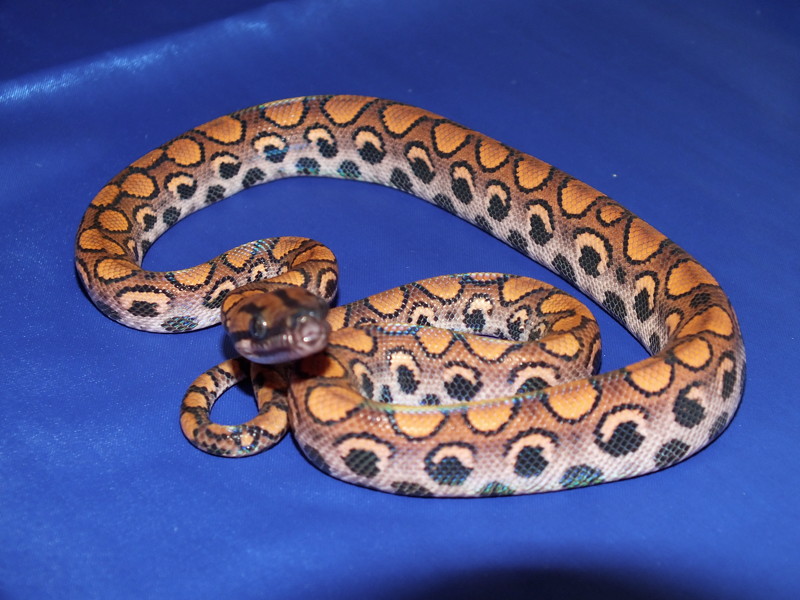
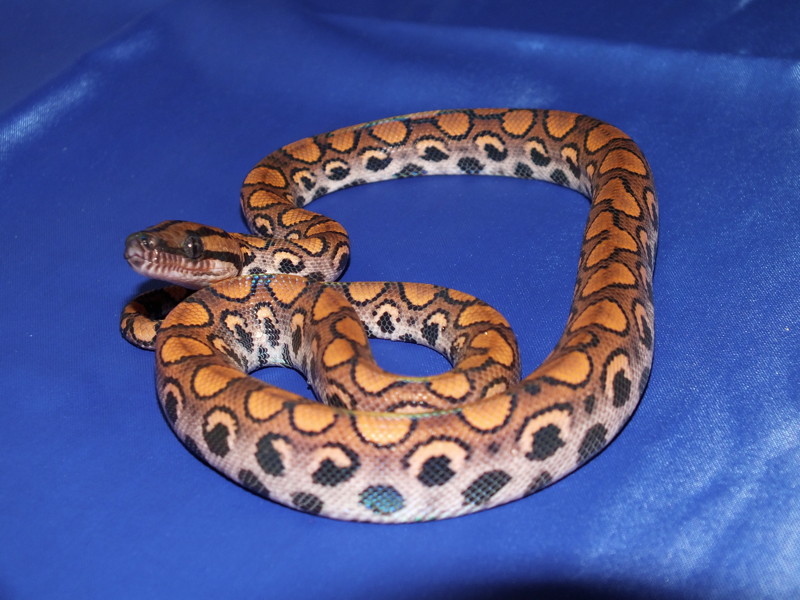
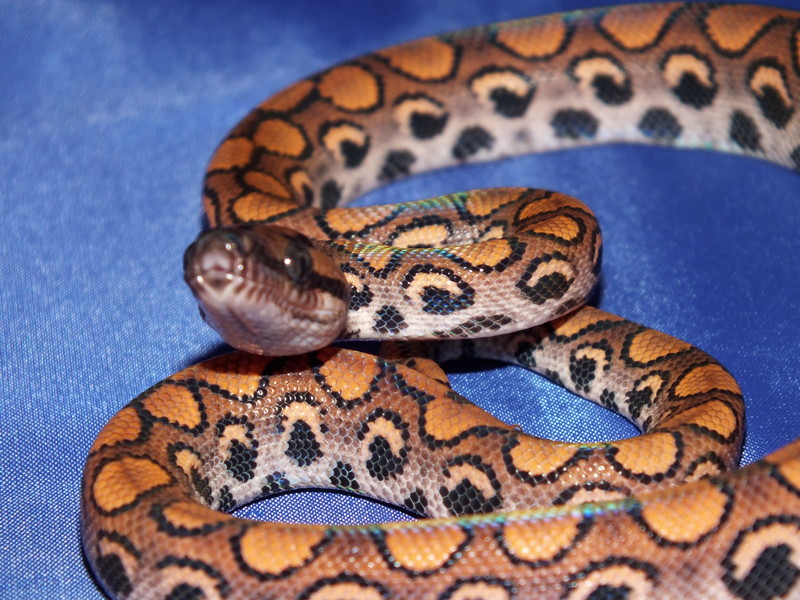
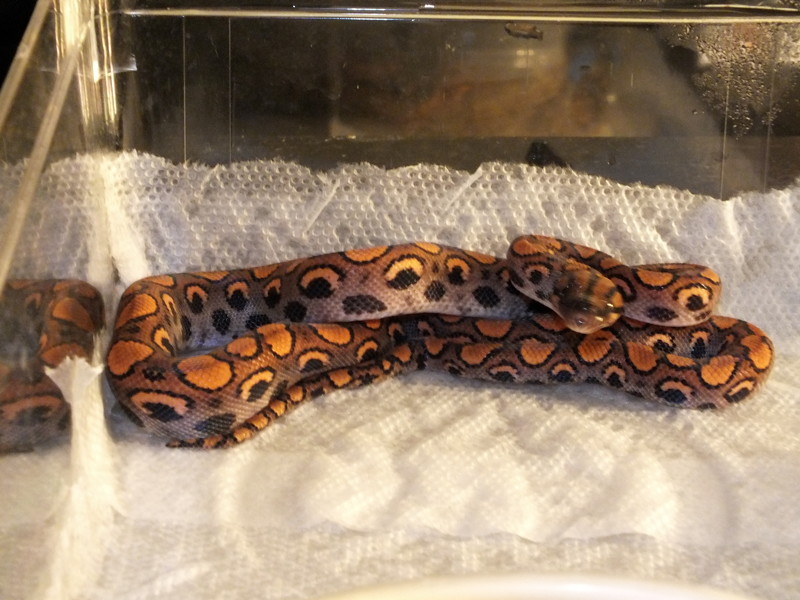
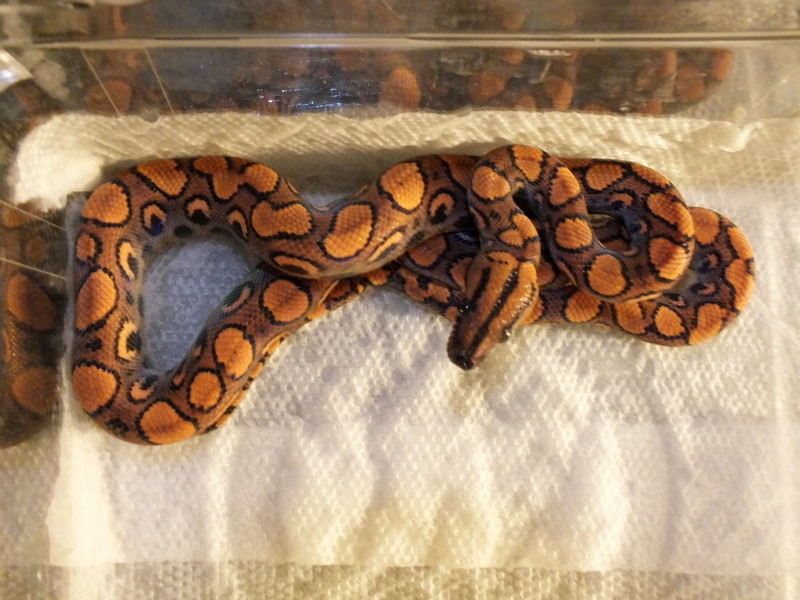
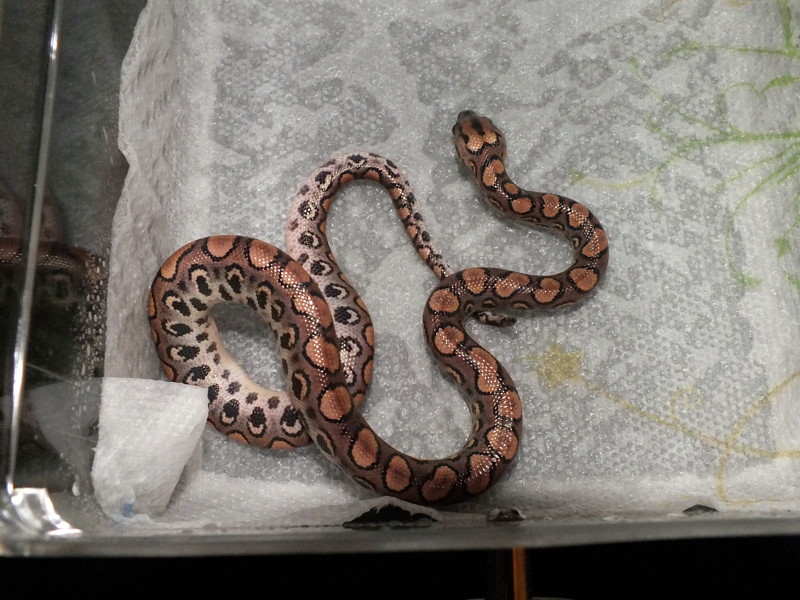
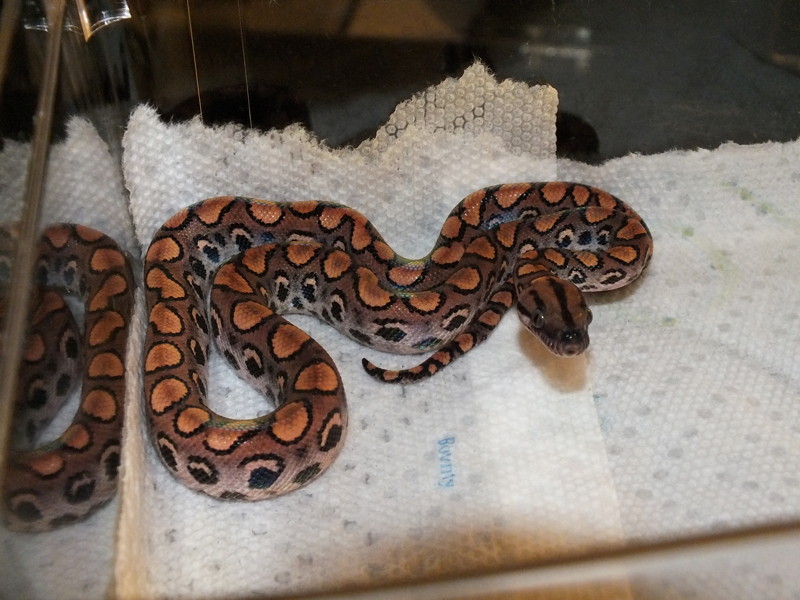
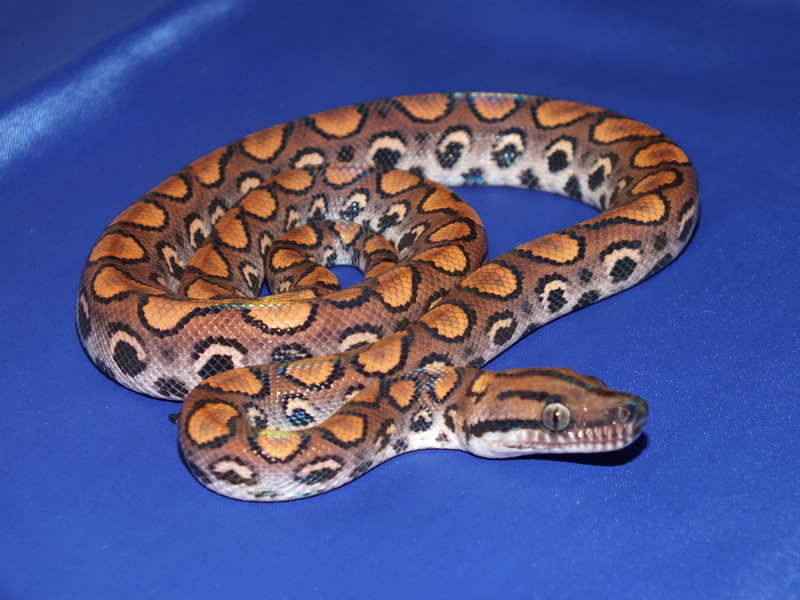
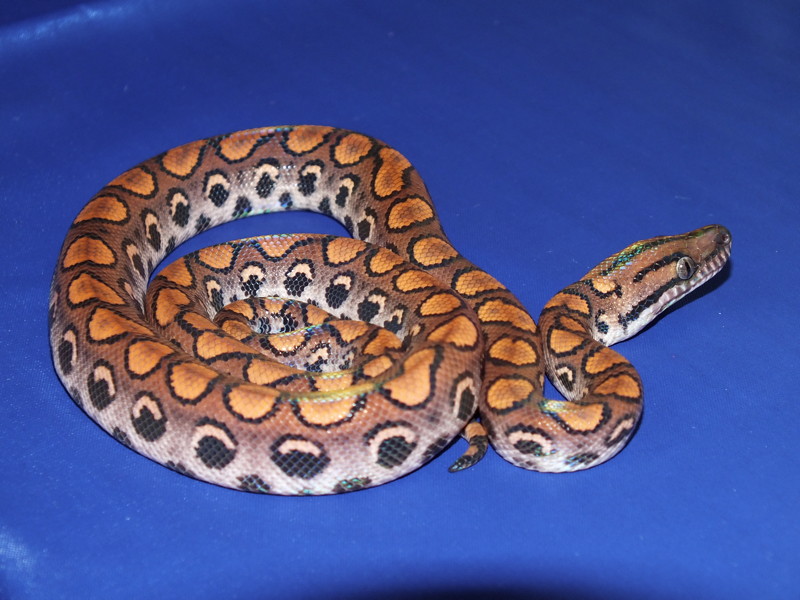
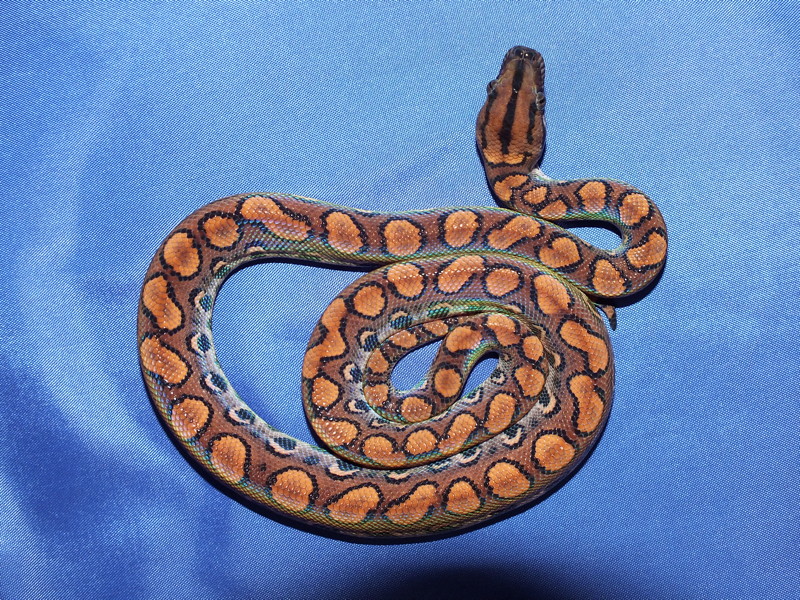
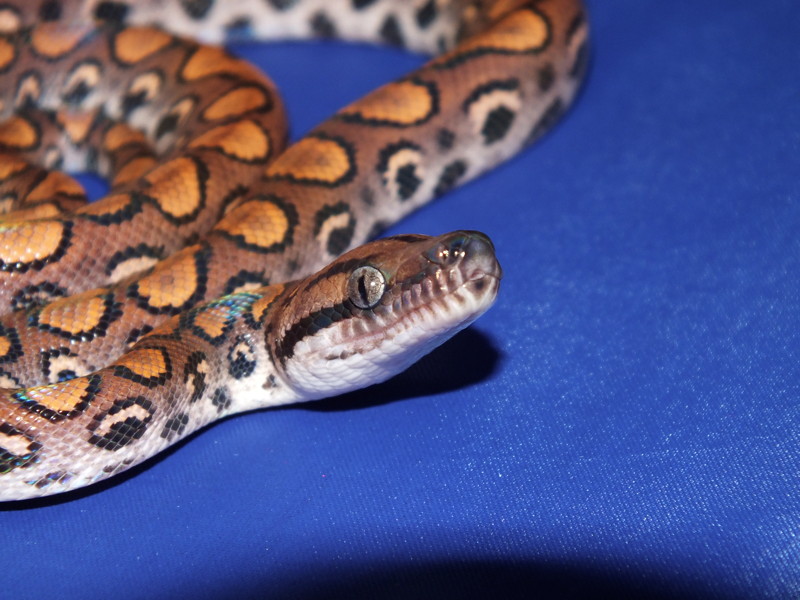
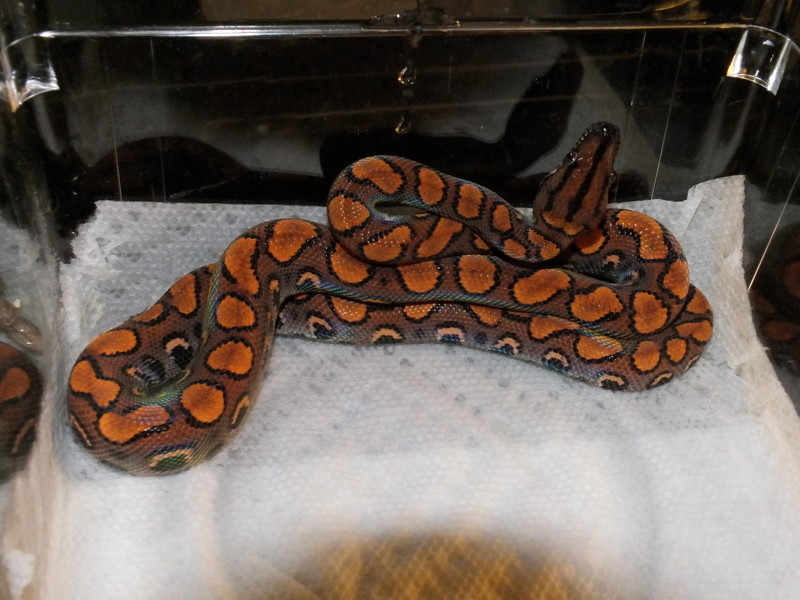
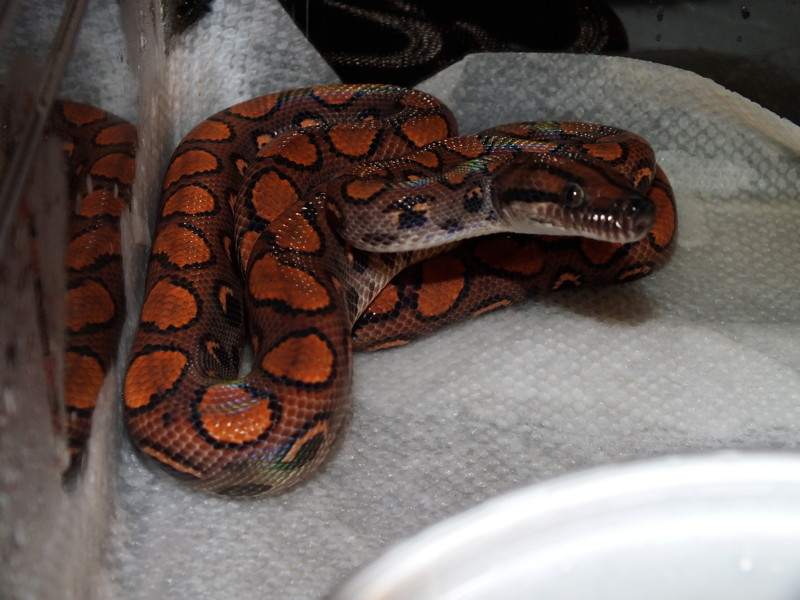
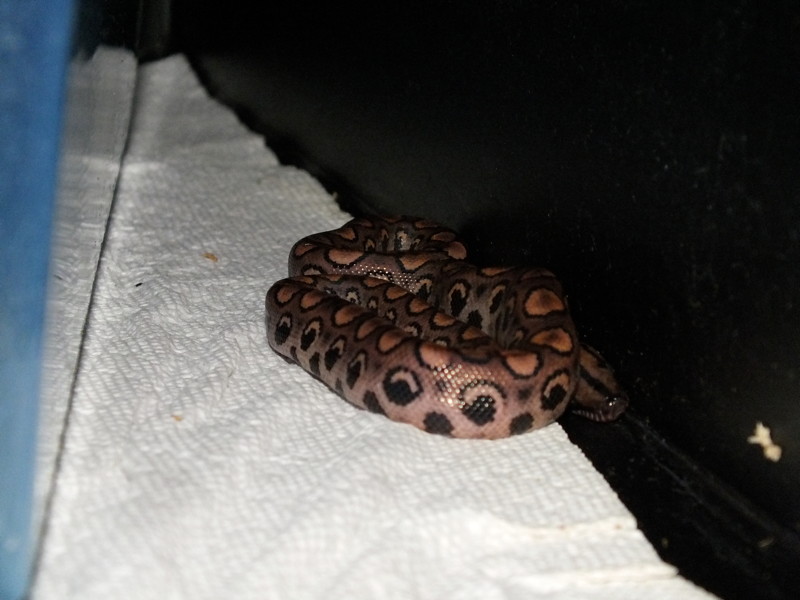
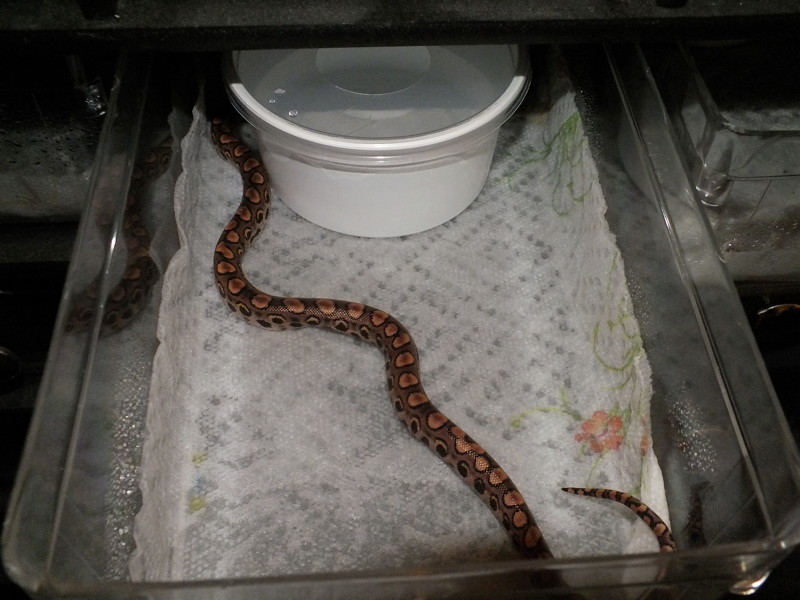
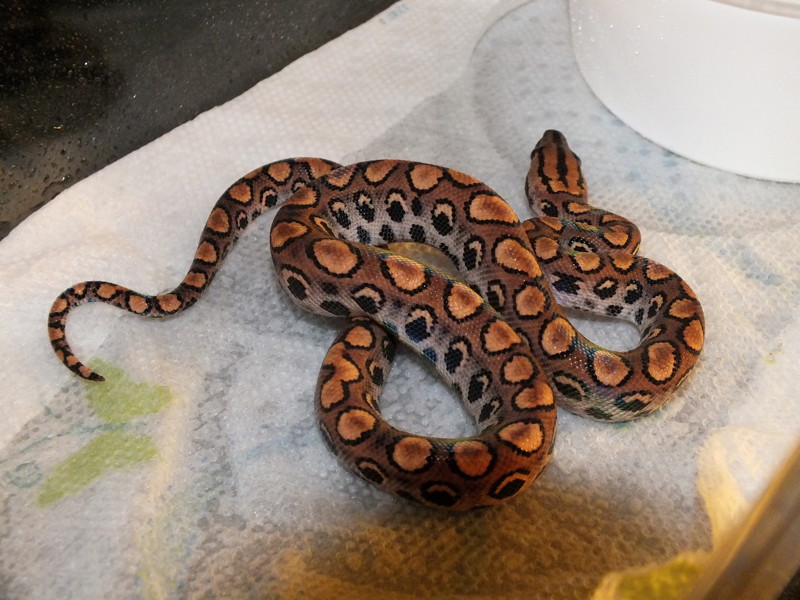
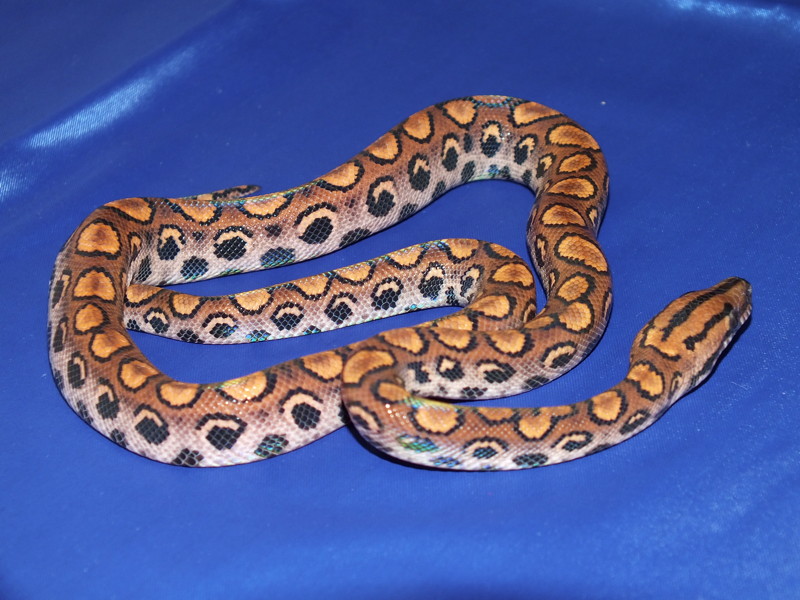
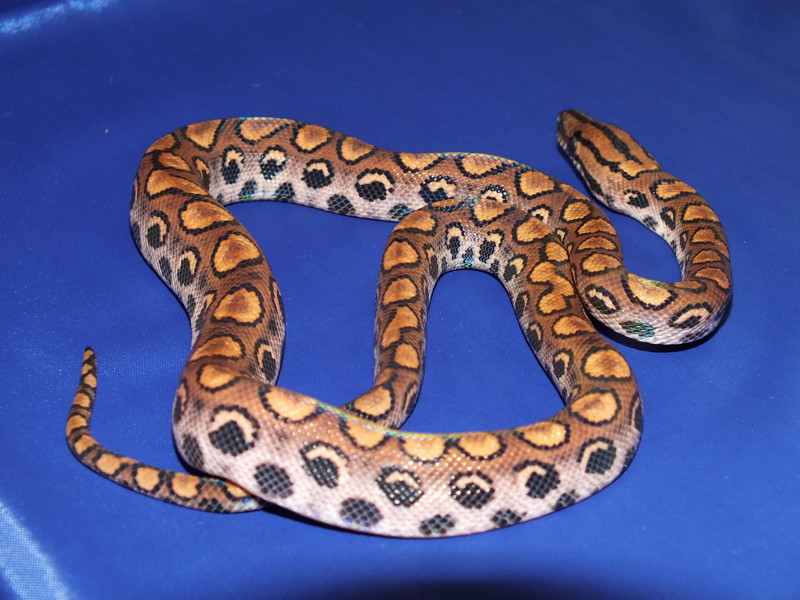
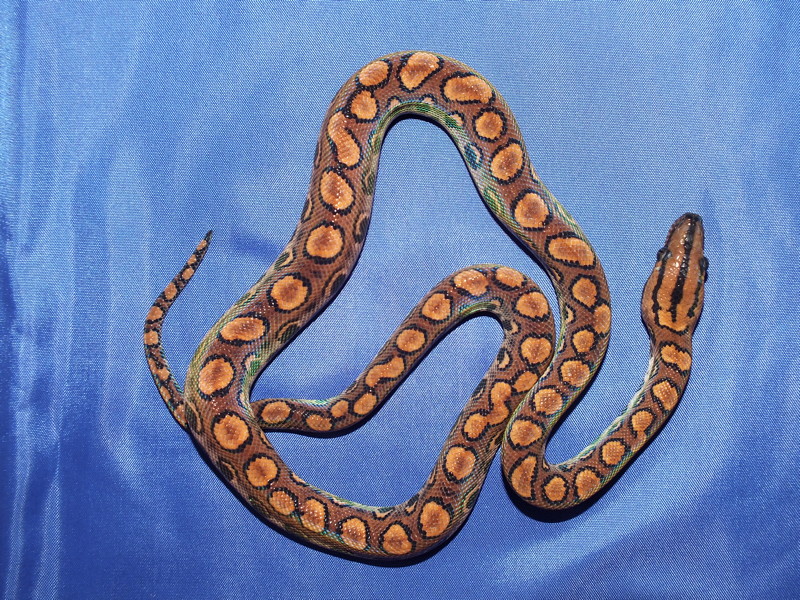
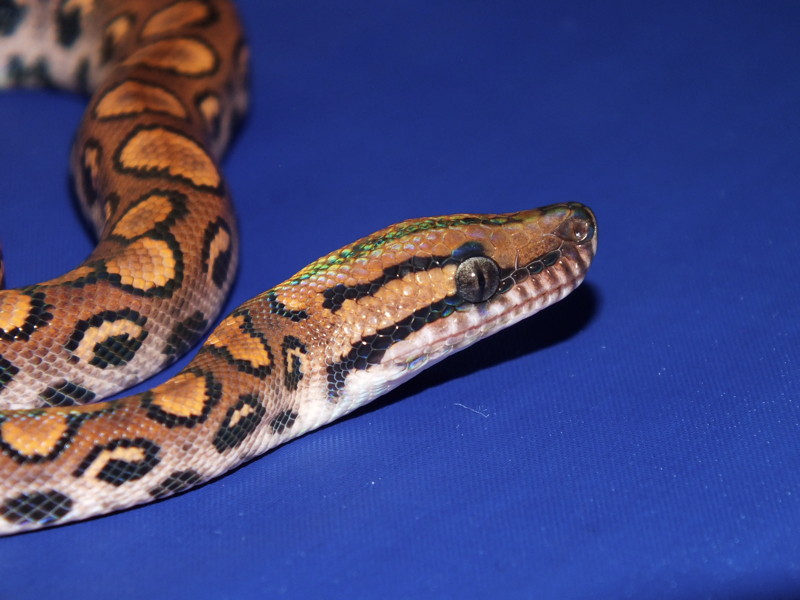
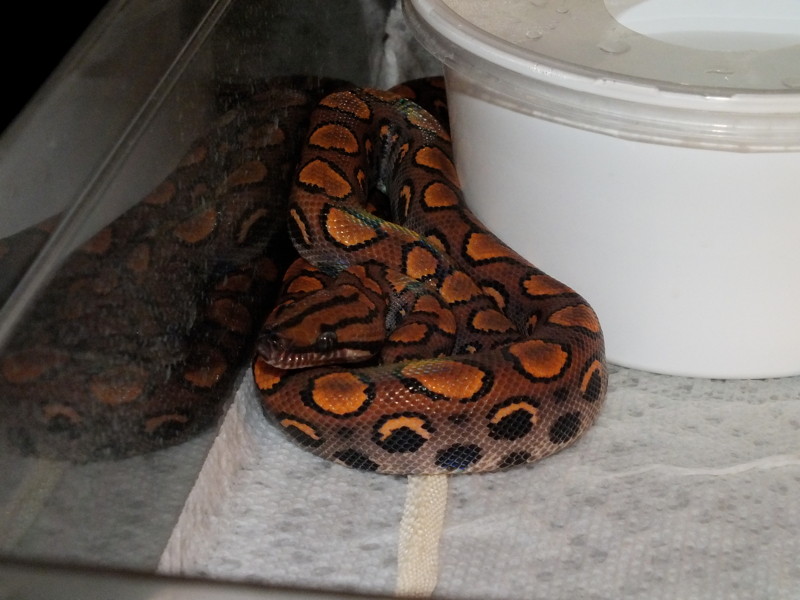
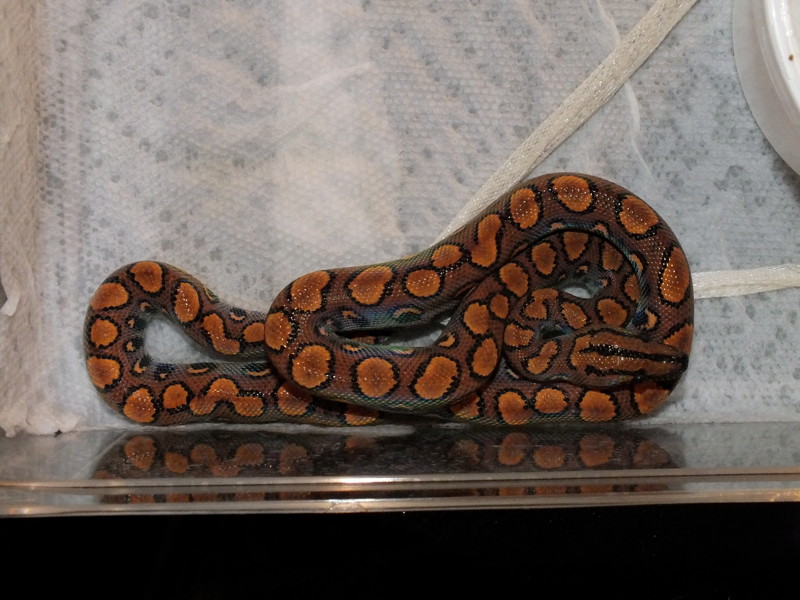
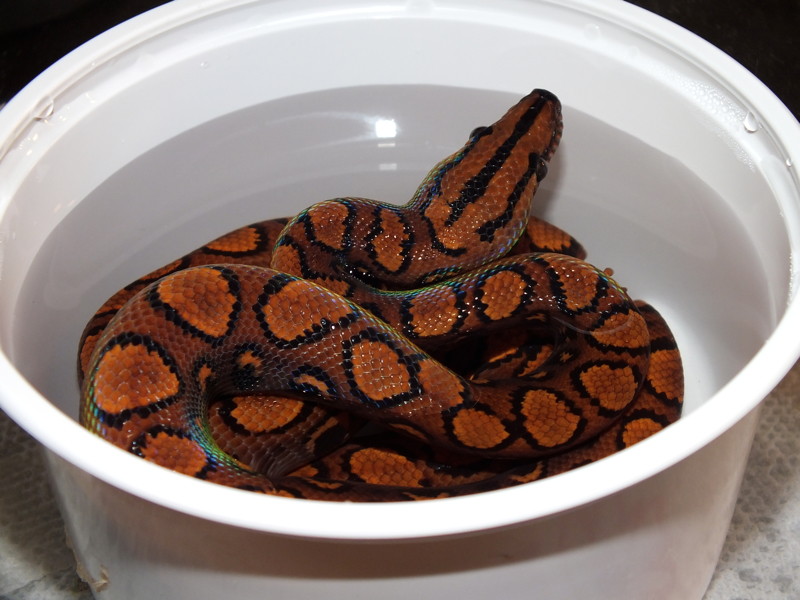
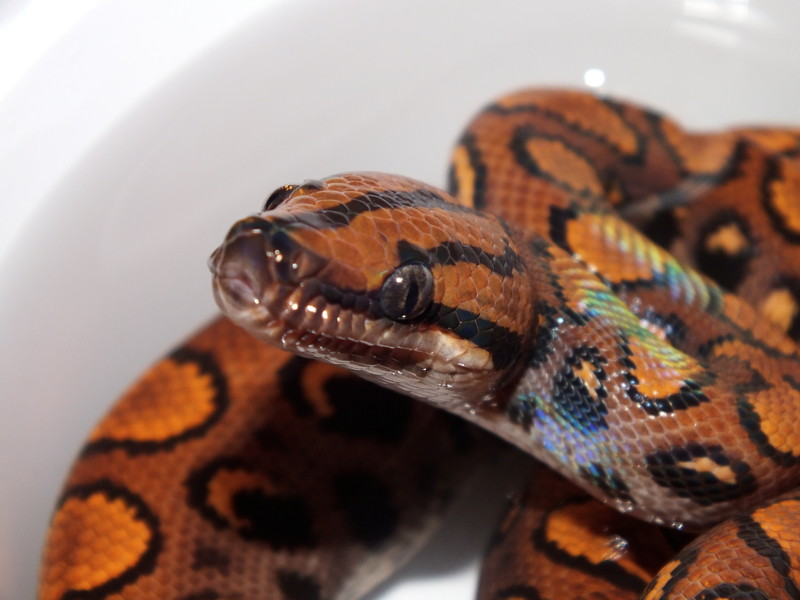
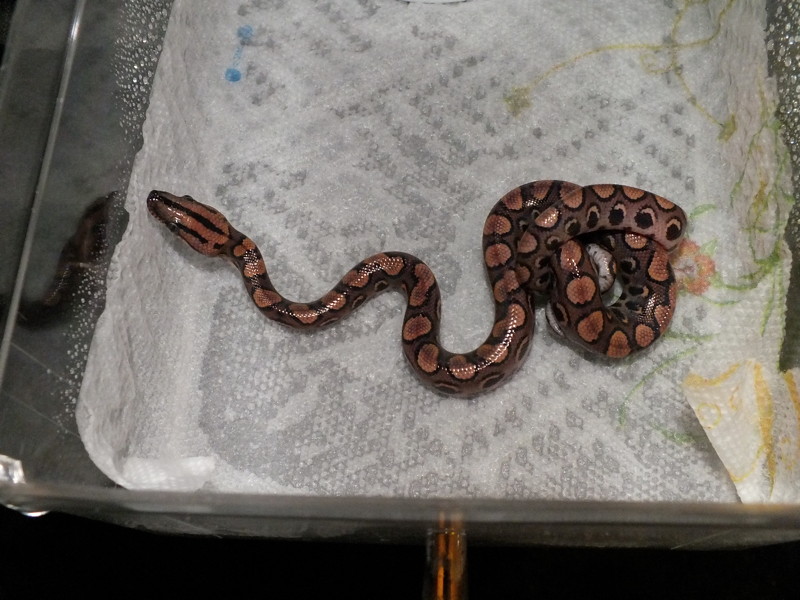
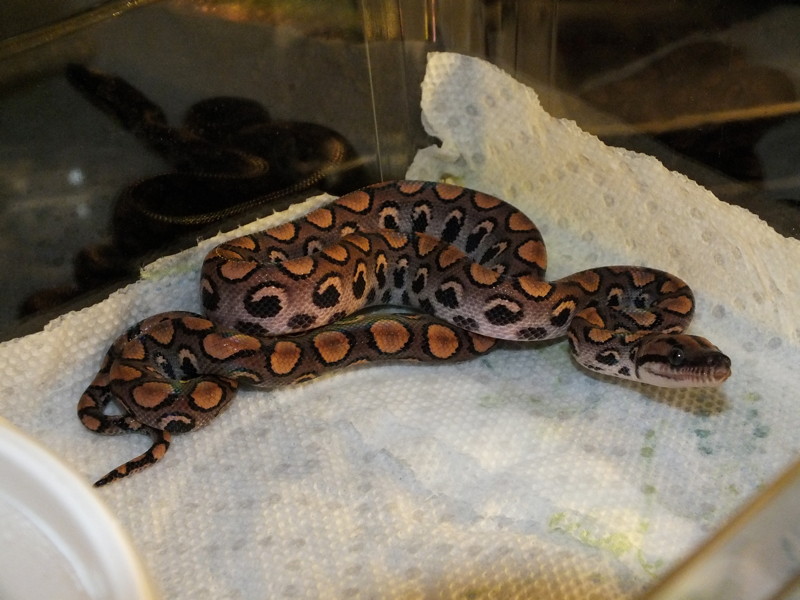
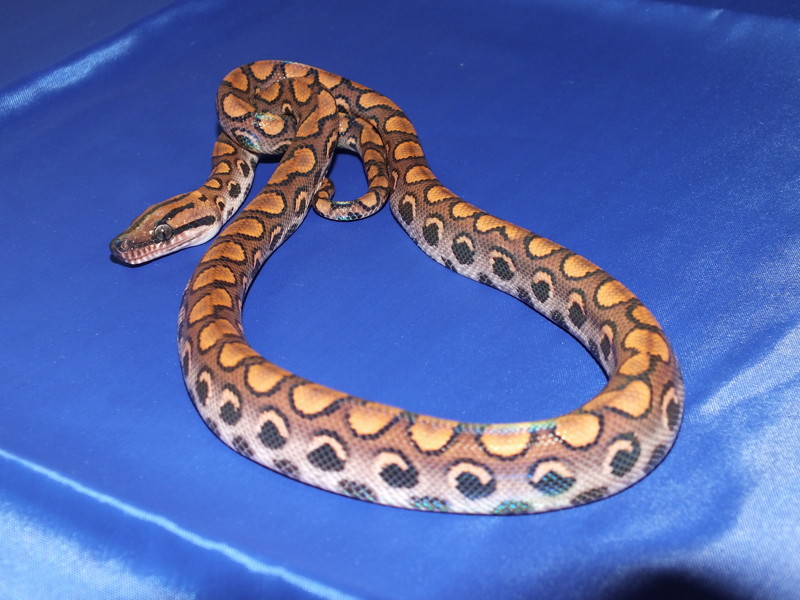
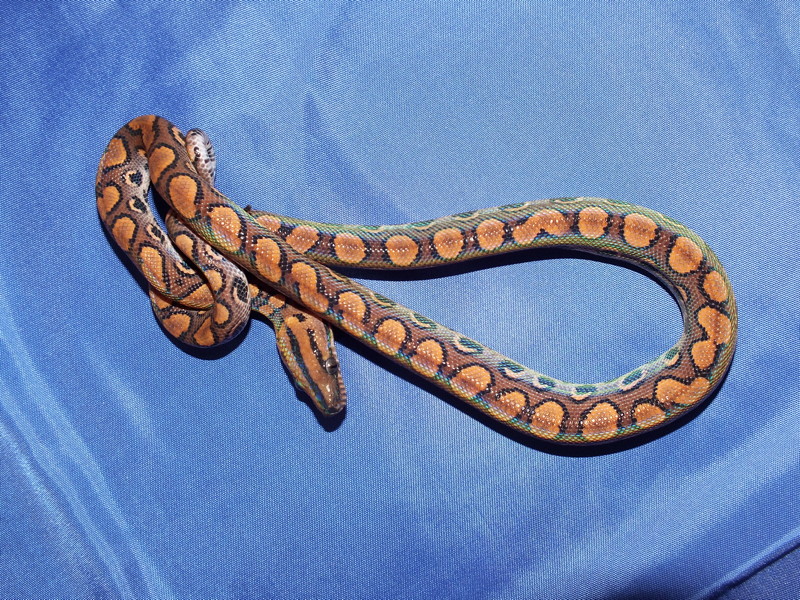
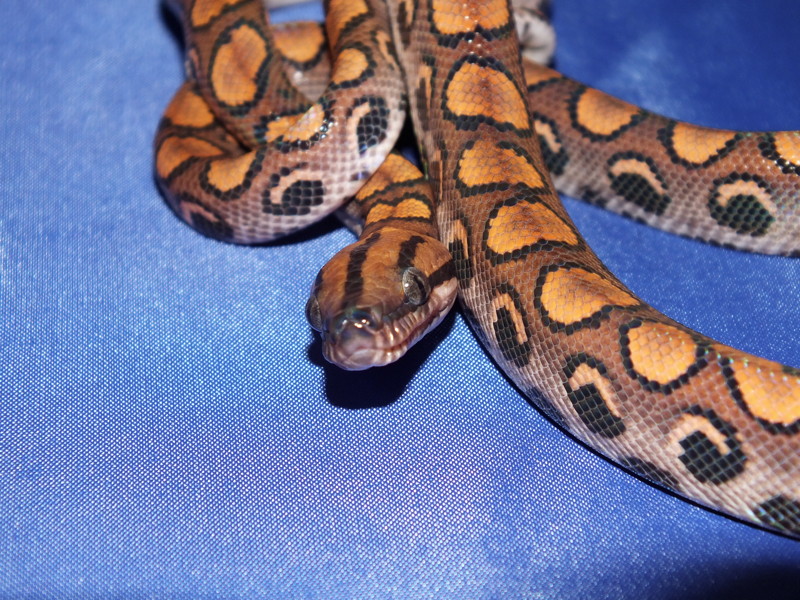
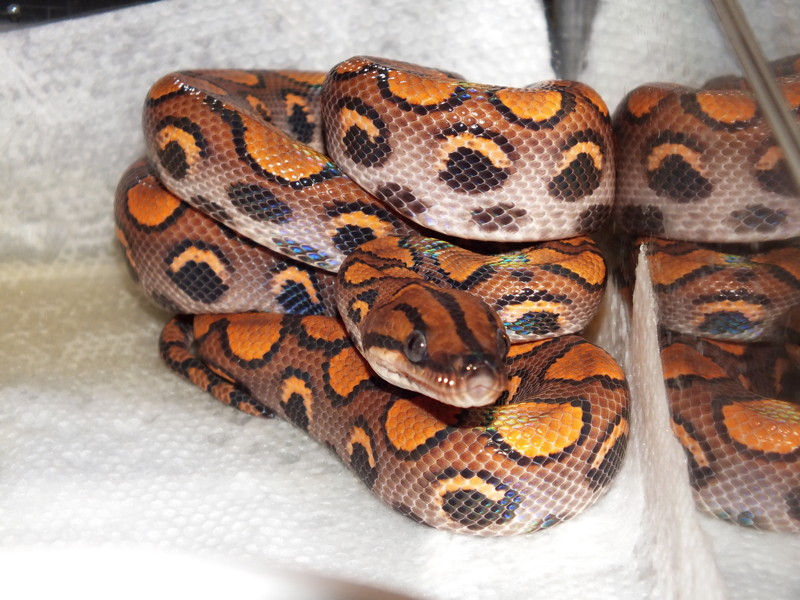
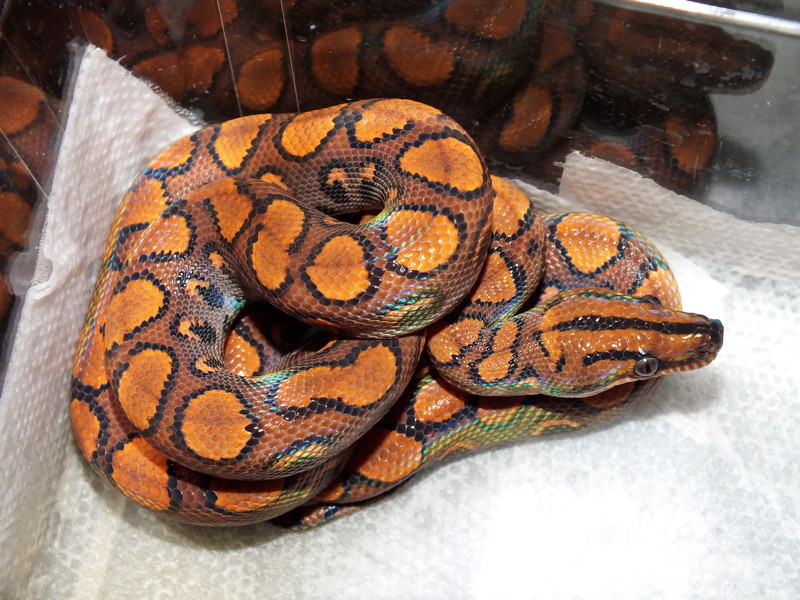
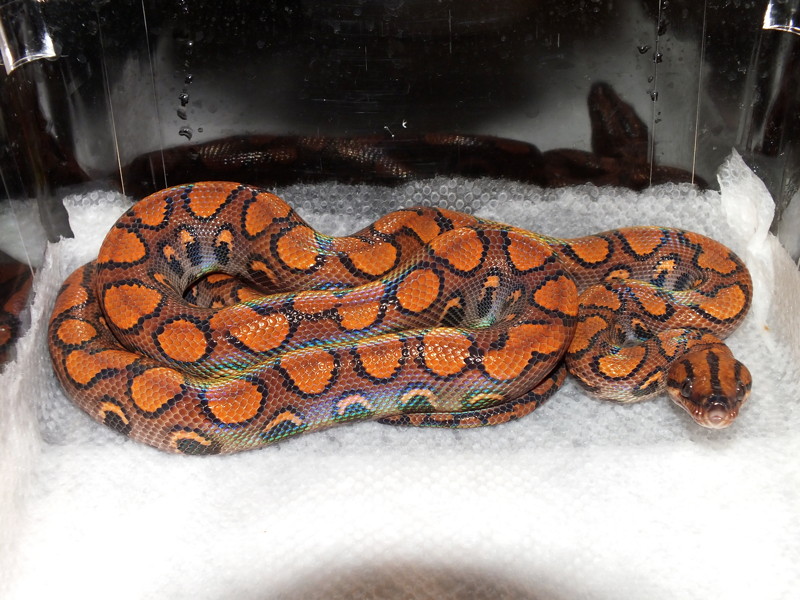
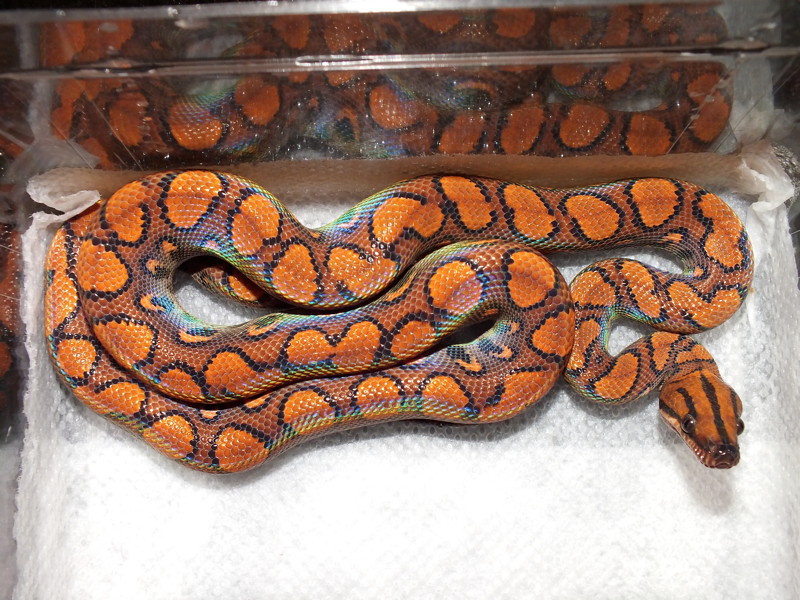
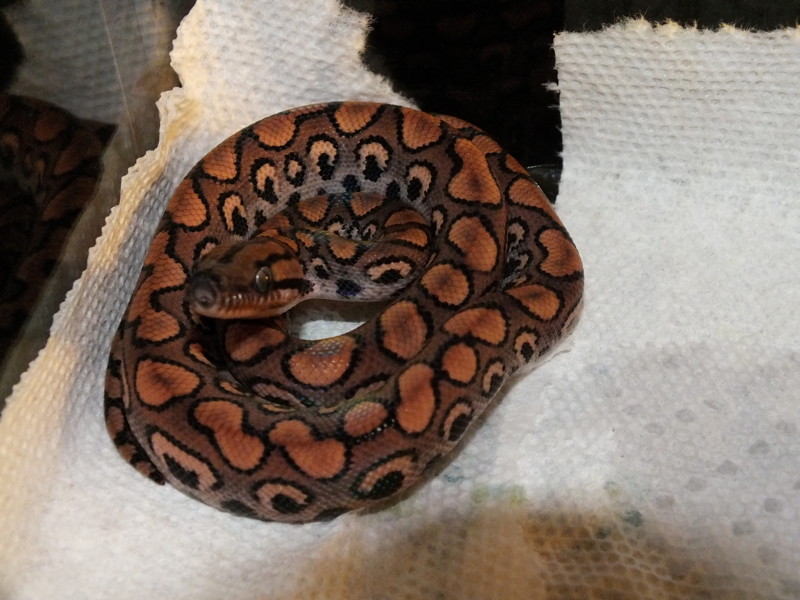
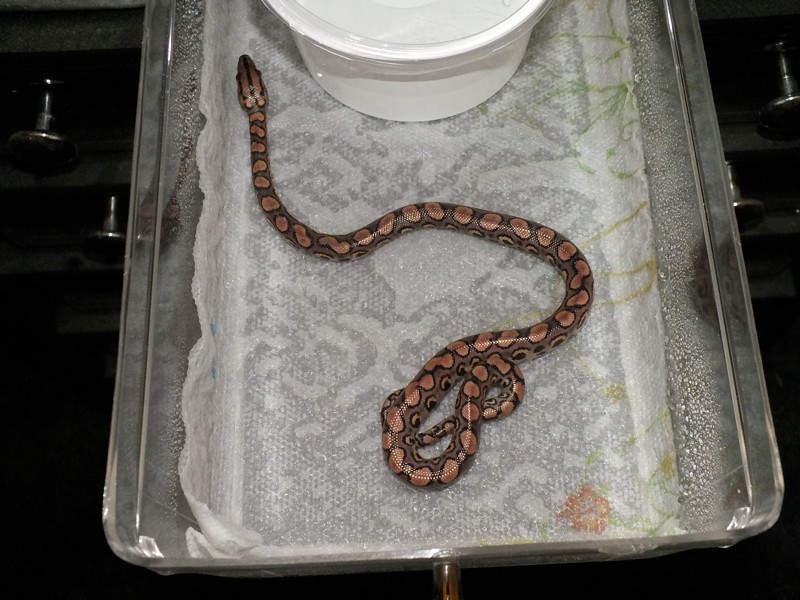
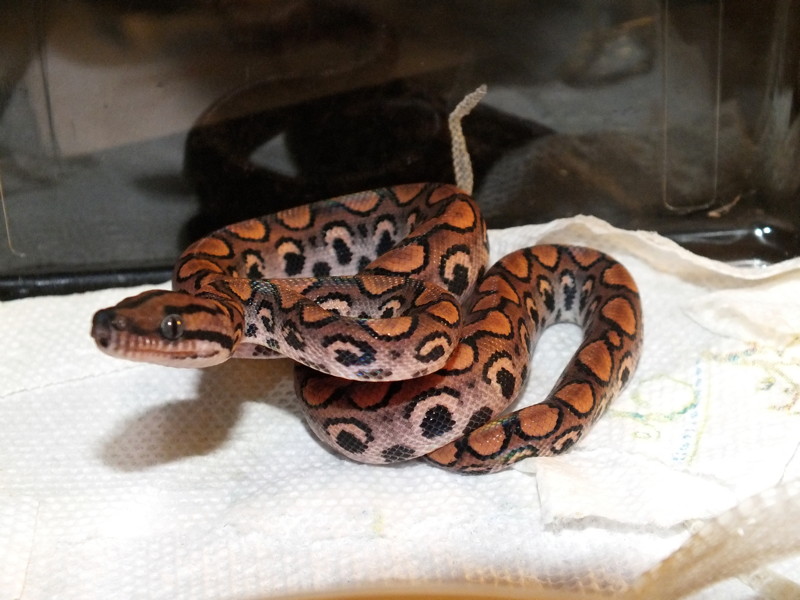
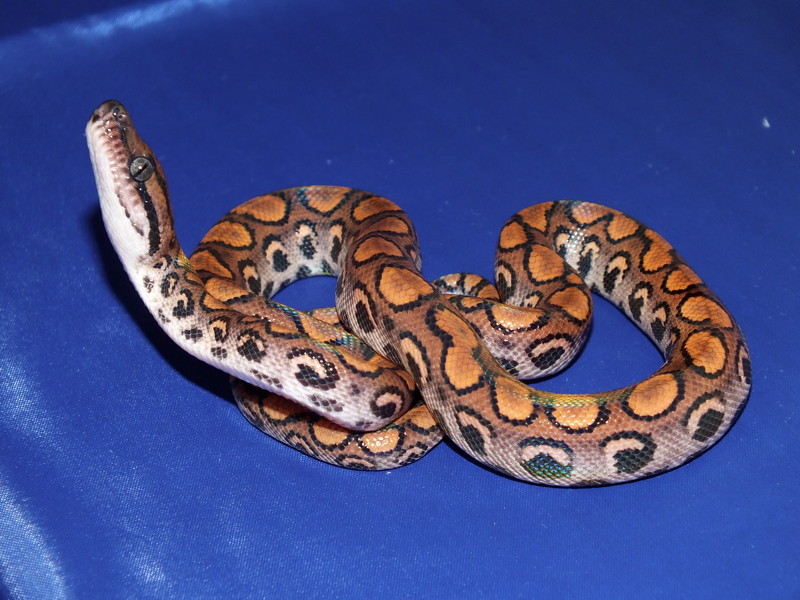
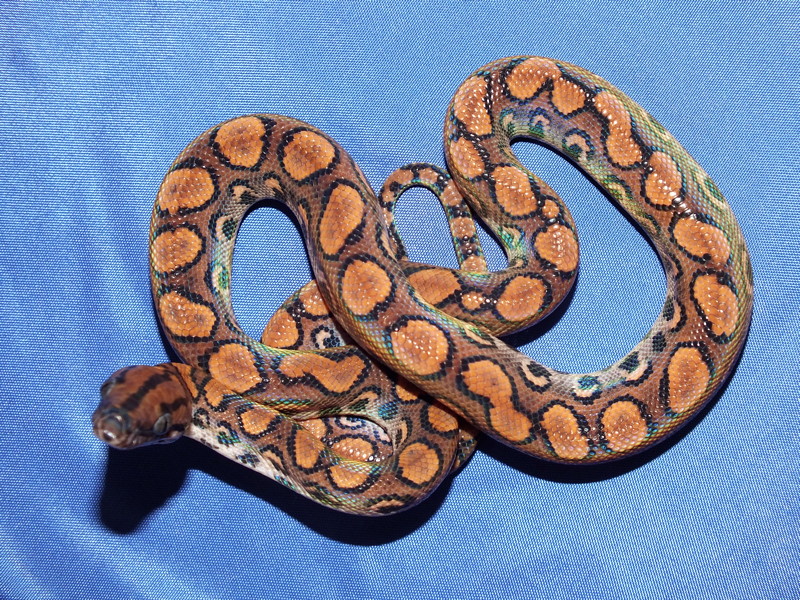
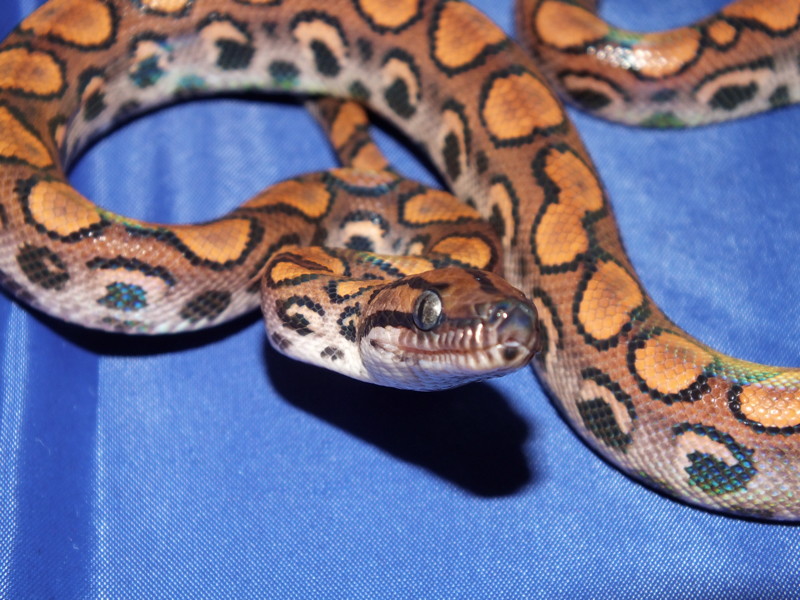
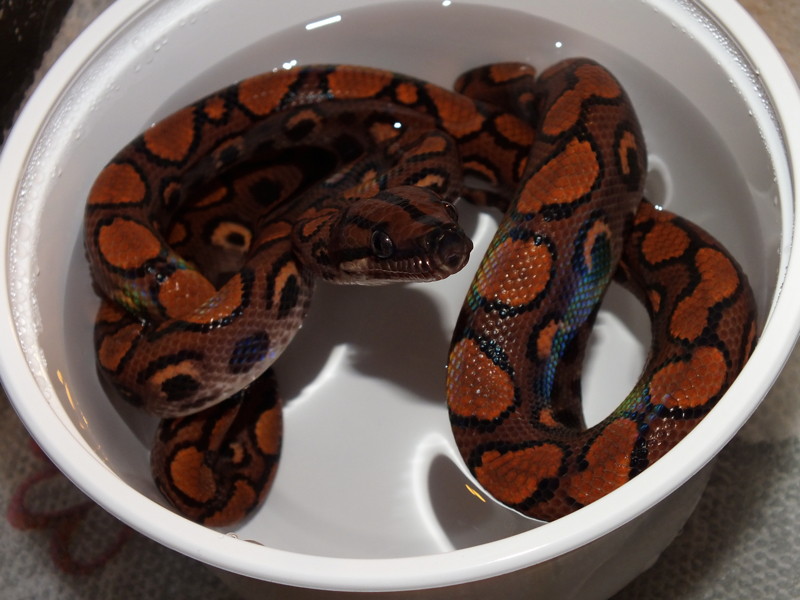
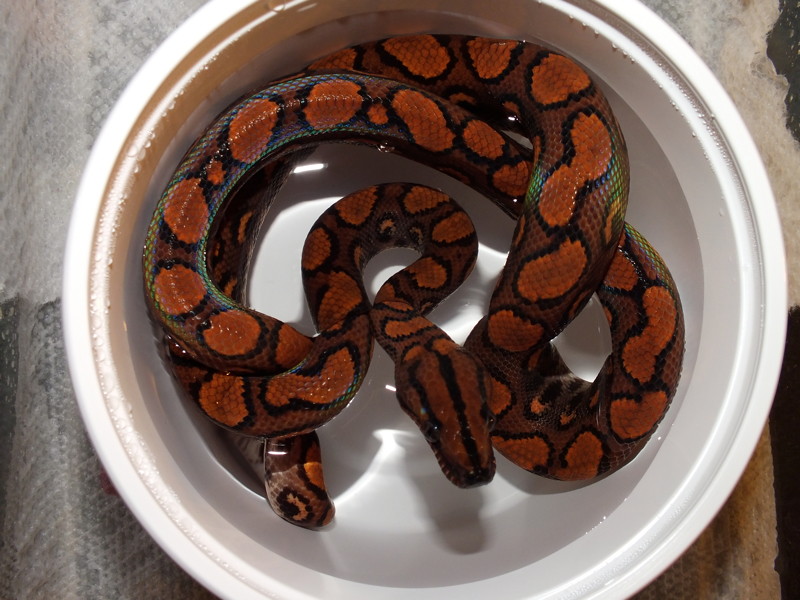
Physically, I’m very happy with the litter. For color, their father Hills definitely left his mark: the entire set is above average, with many *well* above, and an unusually high percentage of potential stunners. Their dorsal ovals all have a slight “blushing” effect where the color gets slightly darker in the center. For pattern, they all have at least one linked dorsal, where one spot has “joined” with its neighbor to form a longer chain. Their side circles are almost exclusively traditional crescents -- nothing like a clean classic look! -- with from zero to three solid black (“eclipse”) and up to three merged spots per baby. Several babies have no departures at all. On about half of the litter, there are small black markings on the back -- another legacy from their father, almost like an official “trademark” pattern for the line that hints of aberrancy -- and/or some faint “bonus black dots” showing among the side crescents.
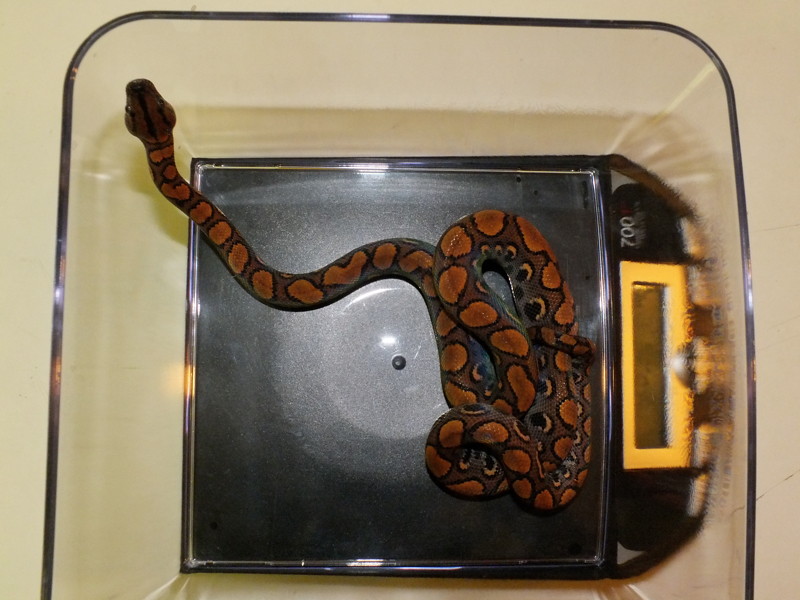
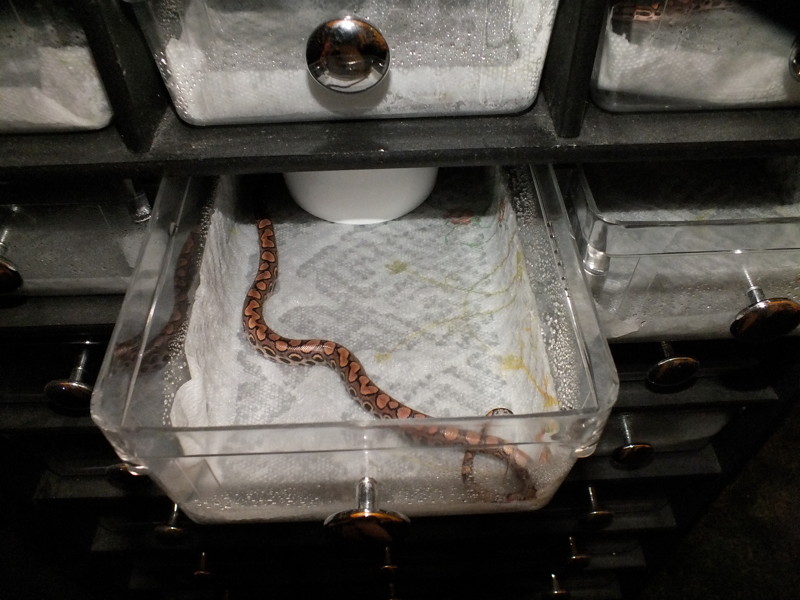
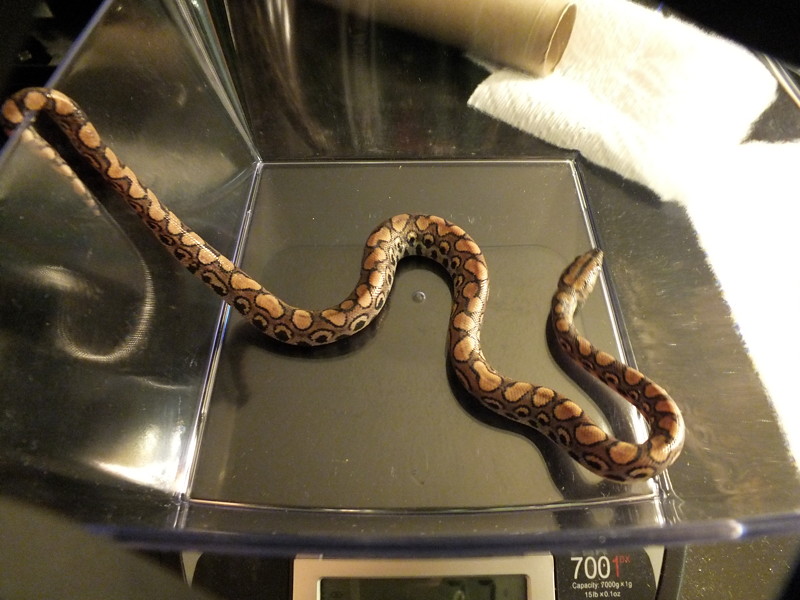
Health-wise, all have now shed five or six times, eaten at least twenty times, and had multiple “confirmations” their digestion is properly working. They have been growing like little weeds: according to my monthly weigh-ins, their last check showed the *average* baby had tripled its weight in the seven months since their birth, and is running about a month ahead of the average growth rate for baby Brazilians…all of which proves that a small, high-quality collection focused on top care has its benefits for customers.
As has been outlined in previous posts, all of these babies come from a disease-tested facility, and Mom’s test results are available upon request.
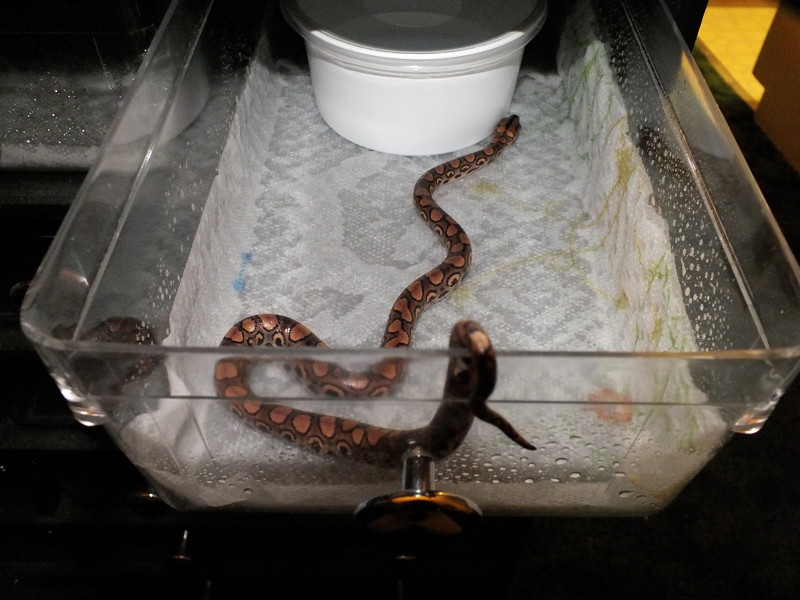
Over the following posts, I will share a description and several pictures of each baby in the litter in order to give you an idea how they act and look, as well as any behavioral or physical quirks.
So grab a cup of your favorite brew, sit back, relax, and enjoy!
At long last, Living Gems Reptiles is thrilled to profile the babies from its 2011 breeding year. The 17 youngsters in this litter, our first ever, were born on September 14, the result of a pairing between Hills, a brilliant orange male estimated to be born in late 2006:
And Alexandrite, a pretty October 2007 female:
Alex was named, as with all Living Gems females, for a pretty gemstone. She is alive and well. Hills was named for the legendary New Zealand mountaineer Sir Edmund Hillary (1919-2008), in honor of this snake’s love of climbing: Hills would always break for my head the first chance he got, and end up wrapped around the top of it. He unfortunately passed away in August of last year, just before the litter was born, and slightly before we went on a sales hold to resolve the events described in the “Beating a Misdiagnosis” thread.
The litter contains nine males and eight females. Initial sexing was done by me, and then confirmed by a local professional.
Behavior-wise, this litter is full of personality. We’ve done dozens of handling sessions for each baby, part of our commitment to start acclimating them to humans, and -- as with most baby Brazilians -- they missed no chances in the first few sessions to show their outsized bravery. There’s something both impressive and funny about watching 33 grams of fury trying to tell your hand who is boss. ;-) As time has passed, every one has calmed to the point where I get no more than one nip per session across all 17 -- from whomever is feeling cranky that particular day. All of them have learned to tolerate a camera, and if they react at all, regard it as a climbing aide.
Physically, I’m very happy with the litter. For color, their father Hills definitely left his mark: the entire set is above average, with many *well* above, and an unusually high percentage of potential stunners. Their dorsal ovals all have a slight “blushing” effect where the color gets slightly darker in the center. For pattern, they all have at least one linked dorsal, where one spot has “joined” with its neighbor to form a longer chain. Their side circles are almost exclusively traditional crescents -- nothing like a clean classic look! -- with from zero to three solid black (“eclipse”) and up to three merged spots per baby. Several babies have no departures at all. On about half of the litter, there are small black markings on the back -- another legacy from their father, almost like an official “trademark” pattern for the line that hints of aberrancy -- and/or some faint “bonus black dots” showing among the side crescents.
Health-wise, all have now shed five or six times, eaten at least twenty times, and had multiple “confirmations” their digestion is properly working. They have been growing like little weeds: according to my monthly weigh-ins, their last check showed the *average* baby had tripled its weight in the seven months since their birth, and is running about a month ahead of the average growth rate for baby Brazilians…all of which proves that a small, high-quality collection focused on top care has its benefits for customers.
As has been outlined in previous posts, all of these babies come from a disease-tested facility, and Mom’s test results are available upon request.
Over the following posts, I will share a description and several pictures of each baby in the litter in order to give you an idea how they act and look, as well as any behavioral or physical quirks.
So grab a cup of your favorite brew, sit back, relax, and enjoy!