ZephyrG
New member
Here's what I've got:

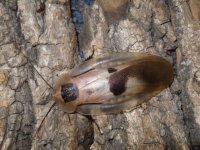
Eublaberus prosticus; Orangehead Roach
An excellent feeder (my favorite by far!), this species enjoys more moisture in its diet than other roaches. The females get a good amount over 2 inches. This species produces as fast as B. dubia and is far meatier. No substrate is necessary. They cannot fly or climb. Colonies will produce a defensive odor when disturbed, but this will not affect the wonderful feeding response these active roaches incite. This species is live-bearing and can produce 15-40 babies every 2 to 4 months.
Here's a comparison of two subadult Eublaberus prosticus and two subadult Blaptica dubia:

20 small (1/4 inch to 1/2 inch): $1.50 or 3/ $5
25 medium (3/4 inch to 1 inch): $4
15 large (1 inch to 1.5 inch): $5
50 "Breeder pack" (All sizes): $10
7 adult males: $1.50 or 3(21)/ $5

Eublaberus distanti; Six-Spot Roach
Another wonderful Eublaberus, this species is even larger than the orangehead. They enjoy a varied diet of fruits and greens. Females can reach 2.5 inches! They breed best on a substrate of dried, dead hardwood leaves, coconut fiber/chunks, and cypress/hardwood mulch. The nymphs are the fattest of any roach; they look like little bulldozers! These roaches mature in 4-8 months. They cannot fly or climb. This species, like its cousin, is live-bearing.
6 large: $5

Gromphadorhina portentosa; Madagascar Hissing Roach
The classic hissing cockroach! These can grow 3 inches with plenty of protein and good genetics. They can climb well (this can be stopped with a petroleum barrier) but cannot fly due to lack of wings. Males will have headbutting matches to assert their dominance. This species handles fairly well and makes a great classroom pet! They need temperatures above 75 degrees to breed consistently and can live up to 4 years. This species is live-bearing. A substrate of hardwood mulch and coconut fiber gives the squishy nymphs a place to hide.
Fresh pairs (adult male with subadult female): $3
Spare males: $1

Blaptica dubia; Guyanna Spotted Roach/ Dubia Roach
A great feeder roach, dubias are becoming a hobbyist favorite. They reproduce well under most conditions. Large females can hit 2 inches with males maxing out at 1 3/4 inches. They enjoy fresh fruits and veggies but also love dog food. Females can produce anywhere from 20-35 babies every 2 months under good conditions. They cannot climb, but males are rumored to fly (I have made many ridiculous attempts to get them to fly but none ever have.) This species is live-bearing.
30 medium mixed: $3

Hemiblabera tenebricosa; Horseshoe Crab Roach/ Broad Key's Roach
An absolutely awesome species that is still rare in collections, the horseshoe crab roach is a sturdy pet roach with an appetite for dog food and bananas. They need a substrate of coconut fiber/coir and hardwood mulch with plenty of dead, dry hardwood leaves. The females incubate the egg cases for 4-8 months and give live-birth to 20-40 nymphs. Males can be anywhere from an inch to 1 1/2 inches. Females range from a tiny 1 1/2 inches to a whopping 2 1/4 inches! Both sexes are awkwardly wide with broad pronotums. Males court the females by hopping around and displaying their stubby wings. This species cannot climb or fly.
5 large nymphs and 1 adult male: $5

Blatta lateralis / "Shelfordella tartara"; Red Runner/ Turkistan Roach
These guys are fast in every way! Males (mostly wings) are gold and an inch long, with females lacking wings and being dark purple. Egg cases are laid every 5 days to a week and take from 3 weeks to 2 months to hatch. This species likes it hot and humid! Males can fly but neither sex and climb. Nymphs can hit adulthood in as little as 2 months!
30 large nymphs: $5 (ONLY ONE LEFT!!!)

Blaberus fusca; Dwarf Cave Roach
This species is becoming one of my favorites! Not as hard to breed and keep as the giant cave roach, this species will do fine with or without substrate. Adult males range from 2 inches to 2 1/2 inches. Females push 3 inches and have more variable wing coloration than the males do. Females give live-birth every 3 months to 30+ offspring! Both sexes live for about a year. They enjoy a diet of fruits, veggies, dog food; anything! Both sexes can flutter but not fly, and neither can climb glass.
10 mixed (many large ones!): $5

Blaberus giganteus; Giant Cave Roach
This species is the crème de la crème of pet roaches; Adults are never shorter than 3 inches long! The nymphs require a substrate of coconut coir/fiber, hardwood mulch, and dried, dead hardwood leaves to do well. Molting subadults need a good vertical platform to drop their wings from; wing deformities are lethal to this species. They do best at room temperature with a weekly misting. Mixed dry foods should be available at all times. Bananas are a favorite, along with starfruit and oranges. Females secretly give birth to 10-25 young every 4-6 months. Nymphs reach maturity after what seems like forever (8-12 months!)
NEVER OFFERED!!! SUBADULT PAIRS (GUARANTEED!!!): $8 each or 2 / $15!!!
Questions? Contact me here or at:
[email protected]
Eublaberus prosticus; Orangehead Roach
An excellent feeder (my favorite by far!), this species enjoys more moisture in its diet than other roaches. The females get a good amount over 2 inches. This species produces as fast as B. dubia and is far meatier. No substrate is necessary. They cannot fly or climb. Colonies will produce a defensive odor when disturbed, but this will not affect the wonderful feeding response these active roaches incite.
This species is live-bearing and can produce 15-40 babies every 2 to 4 months. Here's a comparison of two subadult Eublaberus prosticus and two subadult Blaptica dubia:
20 small (1/4 inch to 1/2 inch): $1.50 or 3/ $5
25 medium (3/4 inch to 1 inch): $4
15 large (1 inch to 1.5 inch): $5
50 "Breeder pack" (All sizes): $10
7 adult males: $1.50 or 3(21)/ $5
Eublaberus distanti; Six-Spot Roach
Another wonderful Eublaberus, this species is even larger than the orangehead. They enjoy a varied diet of fruits and greens. Females can reach 2.5 inches! They breed best on a substrate of dried, dead hardwood leaves, coconut fiber/chunks, and cypress/hardwood mulch. The nymphs are the fattest of any roach; they look like little bulldozers! These roaches mature in 4-8 months. They cannot fly or climb. This species, like its cousin, is live-bearing.
6 large: $5
Gromphadorhina portentosa; Madagascar Hissing Roach
The classic hissing cockroach! These can grow 3 inches with plenty of protein and good genetics. They can climb well (this can be stopped with a petroleum barrier) but cannot fly due to lack of wings. Males will have headbutting matches to assert their dominance. This species handles fairly well and makes a great classroom pet! They need temperatures above 75 degrees to breed consistently and can live up to 4 years. This species is live-bearing. A substrate of hardwood mulch and coconut fiber gives the squishy nymphs a place to hide.
Fresh pairs (adult male with subadult female): $3
Spare males: $1
Blaptica dubia; Guyanna Spotted Roach/ Dubia Roach
A great feeder roach, dubias are becoming a hobbyist favorite. They reproduce well under most conditions. Large females can hit 2 inches with males maxing out at 1 3/4 inches. They enjoy fresh fruits and veggies but also love dog food. Females can produce anywhere from 20-35 babies every 2 months under good conditions. They cannot climb, but males are rumored to fly (I have made many ridiculous attempts to get them to fly but none ever have.) This species is live-bearing.
30 medium mixed: $3
Hemiblabera tenebricosa; Horseshoe Crab Roach/ Broad Key's Roach
An absolutely awesome species that is still rare in collections, the horseshoe crab roach is a sturdy pet roach with an appetite for dog food and bananas. They need a substrate of coconut fiber/coir and hardwood mulch with plenty of dead, dry hardwood leaves. The females incubate the egg cases for 4-8 months and give live-birth to 20-40 nymphs. Males can be anywhere from an inch to 1 1/2 inches. Females range from a tiny 1 1/2 inches to a whopping 2 1/4 inches! Both sexes are awkwardly wide with broad pronotums. Males court the females by hopping around and displaying their stubby wings. This species cannot climb or fly.
5 large nymphs and 1 adult male: $5
Blatta lateralis / "Shelfordella tartara"; Red Runner/ Turkistan Roach
These guys are fast in every way! Males (mostly wings) are gold and an inch long, with females lacking wings and being dark purple. Egg cases are laid every 5 days to a week and take from 3 weeks to 2 months to hatch. This species likes it hot and humid! Males can fly but neither sex and climb. Nymphs can hit adulthood in as little as 2 months!
30 large nymphs: $5 (ONLY ONE LEFT!!!)
Blaberus fusca; Dwarf Cave Roach
This species is becoming one of my favorites! Not as hard to breed and keep as the giant cave roach, this species will do fine with or without substrate. Adult males range from 2 inches to 2 1/2 inches. Females push 3 inches and have more variable wing coloration than the males do. Females give live-birth every 3 months to 30+ offspring! Both sexes live for about a year. They enjoy a diet of fruits, veggies, dog food; anything! Both sexes can flutter but not fly, and neither can climb glass.
10 mixed (many large ones!): $5
Blaberus giganteus; Giant Cave Roach
This species is the crème de la crème of pet roaches; Adults are never shorter than 3 inches long! The nymphs require a substrate of coconut coir/fiber, hardwood mulch, and dried, dead hardwood leaves to do well. Molting subadults need a good vertical platform to drop their wings from; wing deformities are lethal to this species. They do best at room temperature with a weekly misting. Mixed dry foods should be available at all times. Bananas are a favorite, along with starfruit and oranges. Females secretly give birth to 10-25 young every 4-6 months. Nymphs reach maturity after what seems like forever (8-12 months!)
NEVER OFFERED!!! SUBADULT PAIRS (GUARANTEED!!!): $8 each or 2 / $15!!!
Questions? Contact me here or at:
[email protected]