Oregon Cruelty to Animals Statutes
TITLE 16. CRIMES AND PUNISHMENTS
CHAPTER 167. OFFENSES AGAINST PUBLIC HEALTH, DECENCY AND ANIMALS
167.310. Definitions for ORS 167.310 to 167.350.
As used in ORS 167.310 to 167.350:
(1) "Animal" means any nonhuman mammal, bird, reptile, amphibian or fish.
(2) "Good animal husbandry" includes, but is not limited to, the dehorning of cattle, the docking of horses, sheep or swine, and the castration or neutering of livestock, according to accepted practices of veterinary medicine or animal husbandry.
(3) "Livestock" has the meaning provided in ORS 609.010.
(4) "Pet or domestic animal" means any animal that is owned or possessed by a person, other than livestock or poultry.
(5) "Physical injury" has the meaning provided in ORS 161.015.
(6) "Possess" has the meaning provided in ORS 161.015.
(7) "Serious physical injury" has the meaning provided in ORS 161.015.
(8) As used in ORS 167.325 and 167.330, "Minimum care" means care sufficient to preserve the health and well-being of an animal and, except for emergencies or circumstances beyond the reasonable control of the owner, includes, but is not limited to, the following requirements:
(a) Food of sufficient quantity and quality to allow for normal growth or maintenance of body weight.
(b) Open or adequate access to potable water in sufficient quantity to satisfy the animal's needs. Snow or ice is not an adequate water source.
(c) In the case of pet or domestic animals, access to a barn, dog house or other enclosed structure sufficient to protect the animal from wind, rain, snow or sun and which has adequate bedding to protect against cold and dampness.
(d) Veterinary care deemed necessary by a reasonably prudent person to relieve distress from injury, neglect or disease.
(e) Pet or domestic animals shall not be confined to an area without adequate space for exercise necessary for the health of the animal or which does not allow access to a dry place for the animal to rest. The air temperature in a confinement area must be suitable for the animal involved. Confinement areas must be kept reasonably clean and free from excess waste or other contaminants which could affect the animal's health.
167.312. Research and animal interference.
(1) A person commits the crime of research and animal interference if the person knowingly does any of the following:
(a) Releases, steals or otherwise causes the death, injury or loss of any animal at or from an animal research facility, other than death, injury or loss incurred during or as the result of legitimate animal medical research and experimentation.
(b) Damages, vandalizes or steals any property in or on an animal research facility for the purpose of damaging, destroying or delaying animal medical research or experimentation.
(c) Obtains access to an animal research facility by misrepresentation for the purpose of performing acts not authorized by that facility.
(d) Enters an animal research facility to destroy, alter, duplicate or obtain unauthorized possession of records, data, materials, equipment or animals.
(e) Obtains or exerts unauthorized control over records, data, materials, equipment or animals of any animal research facility for the purpose of using, concealing, abandoning or destroying such records, data, materials, equipment or animals.
(f) Possesses or uses equipment or animals that the person reasonably believes have been obtained by theft or deception from an animal research facility or without the authorization of an animal research facility.
(2) For the purposes of this section, "animal research facility" means any facility engaging in legal scientific research or teaching involving the use of animals.
(3) Research and animal interference is a Class C felony.
(4) In addition to any other penalty imposed for violation of this section, a person convicted of such violation is liable:
(a) To the owner of the animal for damages, including the costs of restoring the animal to confinement and to its health condition prior to commission of the acts constituting the violation;
(b) For damages to real and personal property caused by acts constituting the violation; and
(c) For the costs of repeating an experiment, including the replacement of the animals, labor and materials, if acts constituting the violation cause the failure of an experiment.
167.315. Animal abuse in the second degree.
(1) A person commits the crime of animal abuse in the second degree if, except as otherwise authorized by law, the person intentionally, knowingly or recklessly causes physical injury to an animal.
(2) Any practice of good animal husbandry is not a violation of this section.
(3) Animal abuse in the second degree is a Class B misdemeanor.
167.320. Animal abuse in the first degree.
(1) A person commits the crime of animal abuse in the first degree if, except as otherwise authorized by law, the person intentionally, knowingly or recklessly:
(a) Causes serious physical injury to an animal; or
(b) Cruelly causes the death of an animal.
(2) Any practice of good animal husbandry is not a violation of this section.
(3) Animal abuse in the first degree is a Class A misdemeanor.
167.322. Aggravated animal abuse in the first degree.
(1) A person commits the crime of aggravated animal abuse in the first degree if the person:
(a) Maliciously kills an animal; or
(b) Intentionally or knowingly tortures an animal.
(2) Aggravated animal abuse in the first degree is a Class C felony.
(3) As used in this section, "maliciously" means intentionally acting with a depravity of mind and reckless and wanton disregard of life.
167.325. Animal neglect in the second degree.
(1) A person commits the crime of animal neglect in the second degree if, except as otherwise authorized by law, the person intentionally, knowingly, recklessly or with criminal negligence fails to provide minimum care for an animal in such person's custody or control.
(2) Animal neglect in the second degree is a Class B misdemeanor.
167.330. Animal neglect in the first degree.
(1) A person commits the crime of animal neglect in the first degree if, except as otherwise authorized by law, the person intentionally, knowingly, recklessly or with criminal negligence:
(a) Fails to provide minimum care for an animal in such person's custody or control; and
(b) Such failure to provide care results in serious physical injury or death to the animal.
(2) Animal neglect in the first degree is a Class A misdemeanor.
167.335. Exemption from ORS 167.315 to 167.330.
Unless gross negligence can be shown, the provisions of ORS 167.315 to 167.330 shall not apply to:
(1) The treatment of livestock being transported by owner or common carrier;
(2) Animals involved in rodeos or similar exhibitions;
(3) Commercially grown poultry;
(4) Animals subject to good animal husbandry practices;
(5) The killing of livestock according to the provisions of ORS 603.065;
(6) Animals subject to good veterinary practices as described in ORS 686.030;
(7) Lawful fishing, hunting and trapping activities;
(8) Wildlife management practices under color of law; and
(9) Lawful scientific or agricultural research or teaching that involves the use of animals.
The above I think will speak for itself but just to make certain KEVIN understands this.
#1 167.310. Definitions for ORS 167.310 to 167.350.
As used in ORS 167.310 to 167.350:
(1) "Animal" means any nonhuman mammal, bird, reptile, amphibian or fish.
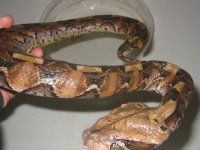
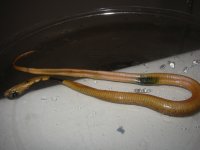
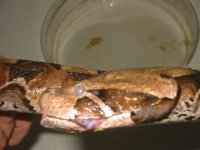
Notice how they actually said REPTILE.
#2 (8) As used in ORS 167.325 and 167.330, "Minimum care" means care sufficient to preserve the health and well-being of an animal and, except for emergencies or circumstances beyond the reasonable control of the owner, includes, but is not limited to, the following requirements: d) Veterinary care deemed necessary by a reasonably prudent person to relieve distress from injury, neglect or disease.
Kevin you yourself have admitted to knowing the animals were sick so BY LAW why didn't you have them treated by VET?
Now I wont post the animal cruelty ones here from above because I am no attourney and honestly cant figure out which of them applies to Kevin but I personally think they all do.
Scott Bice