• Responding to email notices you receive.
    **************************************************
    In short, DON'T! Email notices are to ONLY alert you of a reply to your private message or your ad on this site. Replying to the email just wastes your time as it goes NOWHERE, and probably pisses off the person you thought you replied to when they think you just ignored them. So instead of complaining to me about your messages not being replied to from this site via email, please READ that email notice that plainly states what you need to do in order to reply to who you are trying to converse with.

  • IMPORTANT! PLEASE READ!! About the Google Adsense ads being displayed

    =====================
    Posted 08/15/2025
    =====================


    Yeah, I know. They are a pain in the butt. But they pay the bills to keep my server running. Just a fact of life, I am afraid.

    Want to get rid of them? Simple. Just become a Contributor level member or above and they will be gone. -> Please click HERE."

    Is that too much for me to ask of you to keep this site running? Well, sorry about that. I too wish I could get everything for free. But alas.....

    =====================
    Addendum: 01/10/2026
    =====================


    Google Adsense ad revenue for December, 2025 was just $30 over the cost of the lease for the server running this site. So, in effect, the money providing the incentive for me to continue running this site is coming SOLELY from the paid memberships and sponsorships here. Which honestly ain't much....

Longicauda

Ronda63

New member
Joined
Aug 13, 2010
Messages
448
Reaction score
20
Points
0
Location
Eugene, Oregon United States
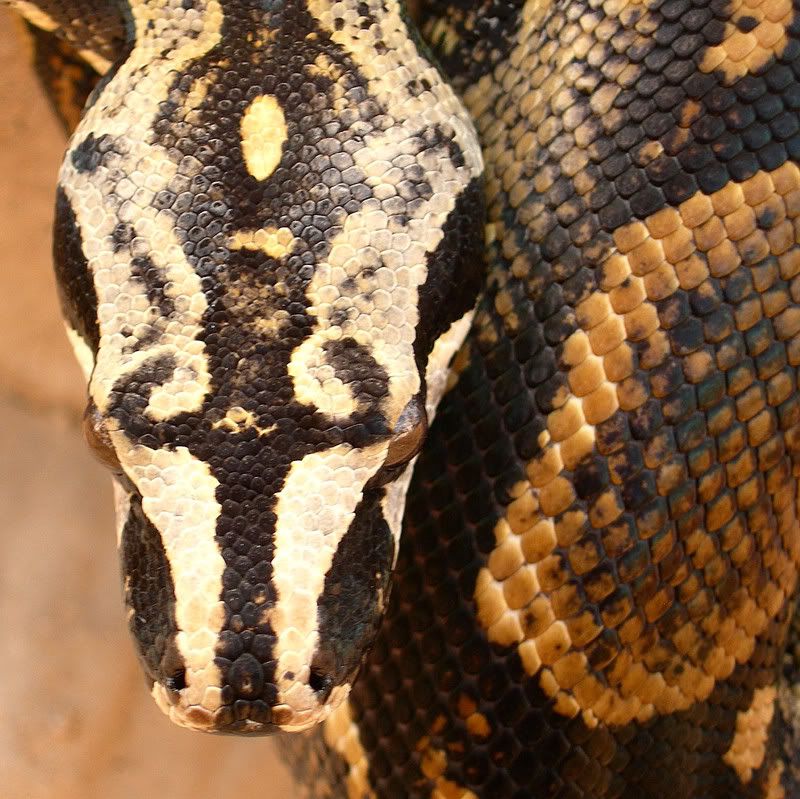
If I wanted to get an anery longicauda, where would I go and about how much do they run? Is this a recessive gene? If so are hets ever available? Also, how is the general temperament of the longicaudas? Thanks for answering my questions!!
 
Anery Longicauda are around. Tibor Papp and Micah Denton are two guys working with them fairly extensively. It is a recessive gene and I have seen hets before, but it's been mostly het x het breedings so far, so it's a lot of poss hets for sale.

As far as attitude is concerned, they're up and down. My male is alright on most days, but my female is not a pleasant boa at all.

Chris
 
actually they are no different then any other boa,the more you
interact with them the more influence you can have in their over all disposition.

When they are good,they are really good
When they are bad,they can be very bad.Which usually involves self inflicted
injuries.

As for the BCL market,waaay under appreciated IMO
The old Mead and Metzler lines are basically long gone due to scatter breeding
profiteers.The Harding line is still held true by a few people (both normal as well as Anery) The Harding line anery BCL we have here are from normal type parents
that dropped natural occurring anery off spring.
Those were then bred to produce one of our 1.1

I owned one of the hypers bred by Denton and later sold
it because it wasnt what I wanted to reproduce,there is more to BCL then just color.
Skinny heads with overbites just shouldnt be bred IMO(which several in that hyper line show)

Good stuff right here,:thumbsup:

DSCN7752.jpg


DSCN0955.jpg
 
They are such beautiful boas. I am really having a love affair with these, the amaralis, sabogae, and the tarahumaras. I currently have BCIs, but would truly enjoy getting into any one of the other boas I listed.
 
BCL are very simular to the Central American BCI strain,they are much lighter in body mass then the Colombians. Breeding females getting out to 6'/15-17lbs,litter counts under 24 are common
 
I would like to know more about the different bloodlines and why there are so many. Are all, wasn't only a fairly small number of the founding stock imported?
 
Thats a sticky issue as "many" lay claim to fame but few have rights.
It basically comes out to those that received of the original importation, lay claim to "their line" after successfully reproducing in captivity.

http://www.boa-subspecies.com/subspecies/longicauda.htm

http://www.boa-subspecies.com/subspecies/longicauda.htm

With abit of research one can find the "holes" and or the "BS" many have gotten away with.
There are other resources,but these two links get most well on their way to understanding
abit about the BC Longicauda
 
That should read "one of our 1.1 pair"
We have a 1.1 that are off spring of an Anery X Anery originating
from wild type parents.

No funky "het" games here :thumbsup:

actually they are no different then any other boa,the more you
interact with them the more influence you can have in their over all disposition.

When they are good,they are really good
When they are bad,they can be very bad.Which usually involves self inflicted
injuries.

As for the BCL market,waaay under appreciated IMO
The old Mead and Metzler lines are basically long gone due to scatter breeding
profiteers.The Harding line is still held true by a few people (both normal as well as Anery) The Harding line anery BCL we have here are from normal type parents
that dropped natural occurring anery off spring.
Those were then bred to produce one of our 1.1

I owned one of the hypers bred by Denton and later sold
it because it wasnt what I wanted to reproduce,there is more to BCL then just color.
Skinny heads with overbites just shouldnt be bred IMO(which several in that hyper line show)

Good stuff right here,:thumbsup:
 
On Russo's page it lists 5 different "types" of longicauda...I'm assuming, like you said, are just animals that were bred from imports. I understand that these boas are highly variable in appearance. Is the anery gene common amongst longicauda? Many specimens I have seen appear to be anery but are not. They're just very dark.
 
For the most part what you said is correct,I cant prove several aspects on this strain but . . . . . .

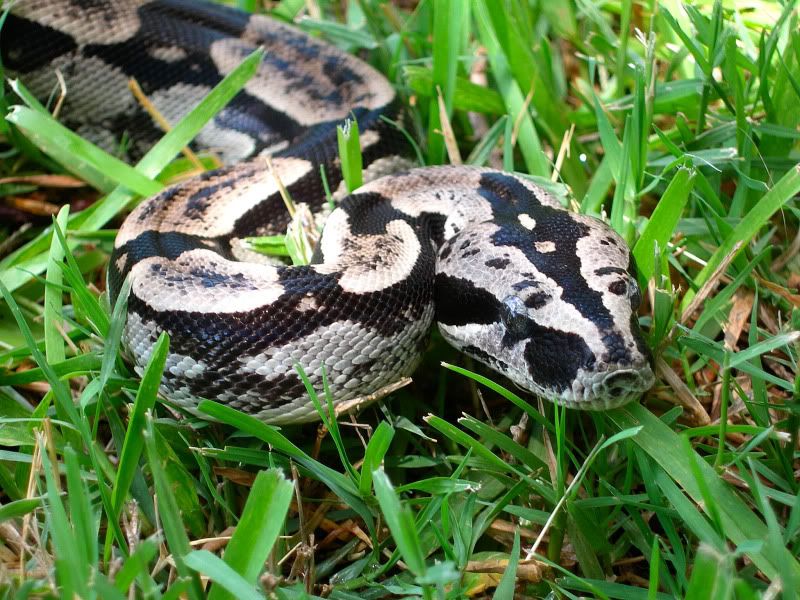
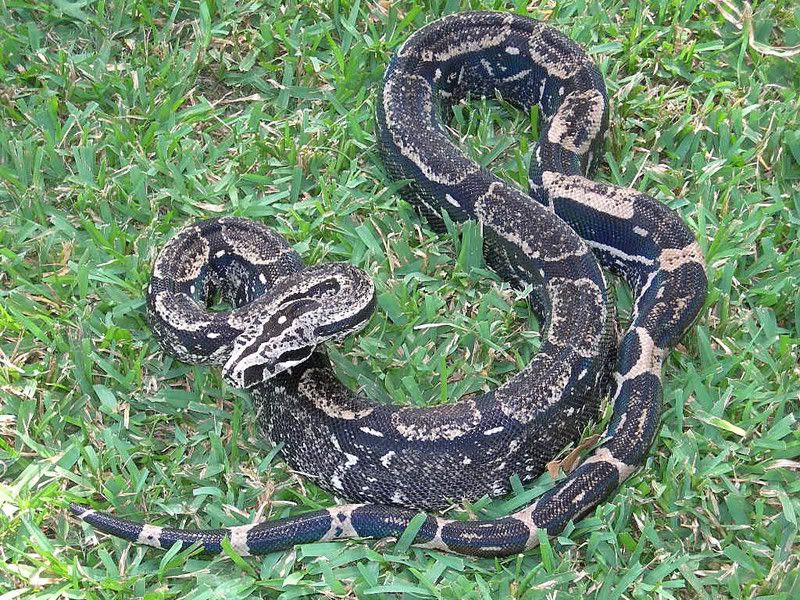
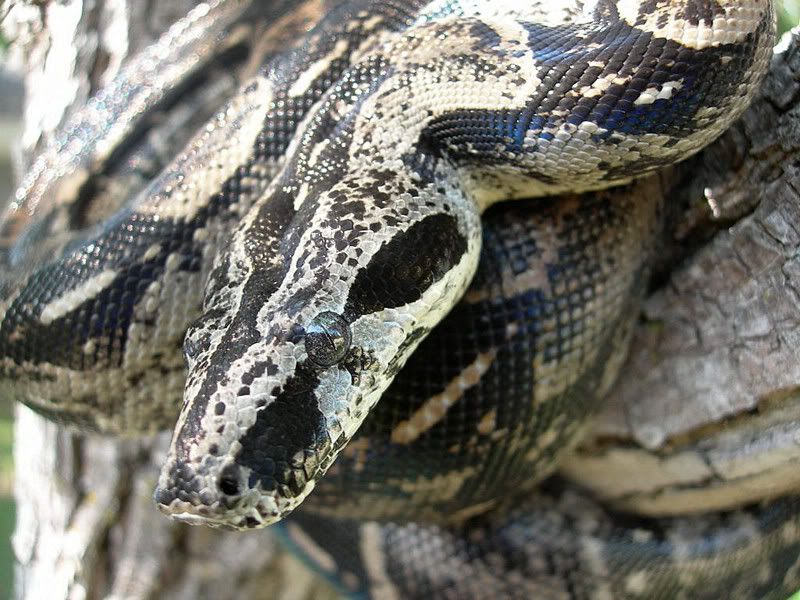
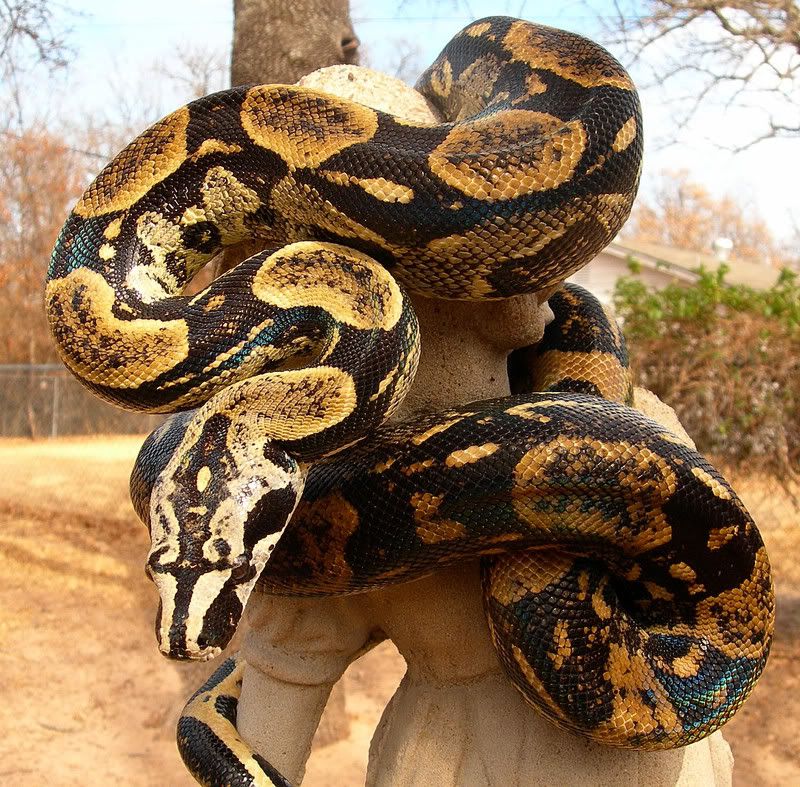
Which of these variants are anery ?

23c02a82.jpg


DSCN2576.jpg


DSCN5362.jpg


DSCN5344.jpg


DSCN5467.jpg


DSCN7297.jpg


DSCN7331.jpg
 
1st one and the last one are normal phase BCL,the second pic from top
is a yearling anery that now looks like this

DSCN9820.jpg


actaully abit darker,the pic is a year old
 
The snake in the very top pic looks the "most" anery to me. Shows how much I know about these snakes! Exactly how can you tell anery from normal? Do you have any idea how many of these were originally imported?
 
Back
Top