• Responding to email notices you receive.
    **************************************************
    In short, DON'T! Email notices are to ONLY alert you of a reply to your private message or your ad on this site. Replying to the email just wastes your time as it goes NOWHERE, and probably pisses off the person you thought you replied to when they think you just ignored them. So instead of complaining to me about your messages not being replied to from this site via email, please READ that email notice that plainly states what you need to do in order to reply to who you are trying to converse with.

  • IMPORTANT! PLEASE READ!! About the Google Adsense ads being displayed

    =====================
    Posted 08/15/2025
    =====================


    Yeah, I know. They are a pain in the butt. But they pay the bills to keep my server running. Just a fact of life, I am afraid.

    Want to get rid of them? Simple. Just become a Contributor level member or above and they will be gone. -> Please click HERE."

    Is that too much for me to ask of you to keep this site running? Well, sorry about that. I too wish I could get everything for free. But alas.....

    =====================
    Addendum: 01/10/2026
    =====================


    Google Adsense ad revenue for December, 2025 was just $30 over the cost of the lease for the server running this site. So, in effect, the money providing the incentive for me to continue running this site is coming SOLELY from the paid memberships and sponsorships here. Which honestly ain't much....

My *fast* growing Hognose collection

phoenix-cry

New member
Joined
Jan 21, 2011
Messages
1,797
Reaction score
45
Points
0
Location
Dover, NH, USA
So about three weeks ago I saw a Hognose on CL and snapped her up. Now I've got a whole collection started! These guys are like potato chips, you can't have just one!

Here's what I got today.

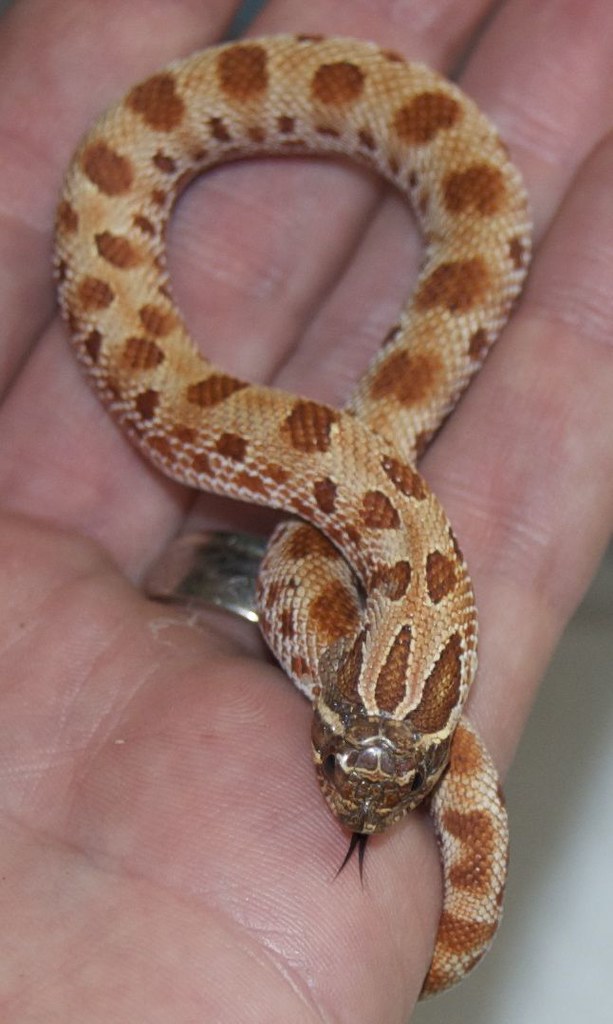
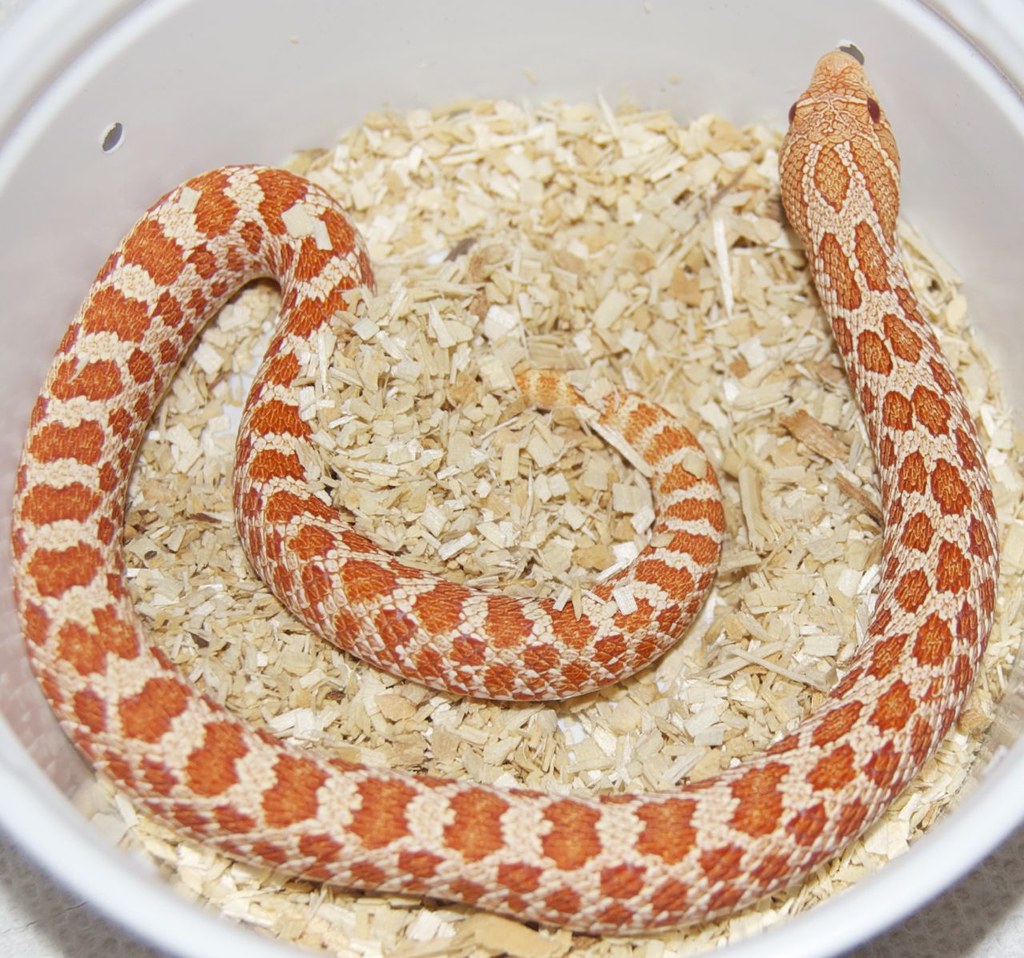
Red Phase Anaconda Male

7191905704_7bcf93f29a_b.jpg


Look how tiny! Born in late Feb.

7191905800_3c2161d317_b.jpg


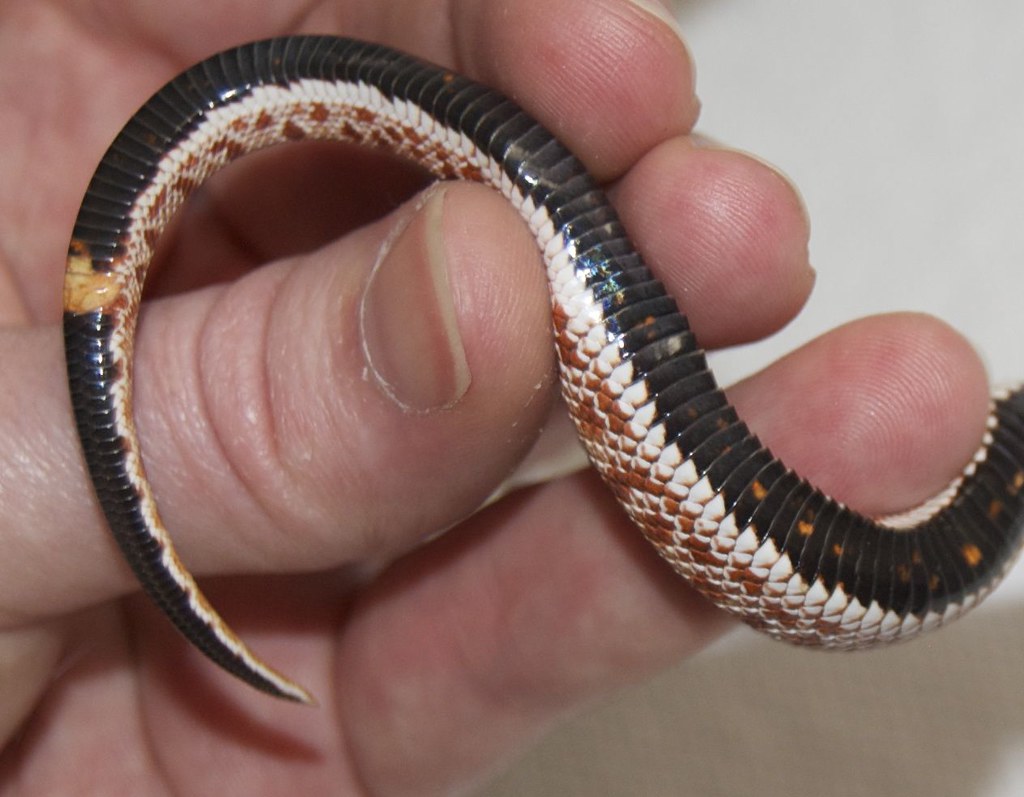
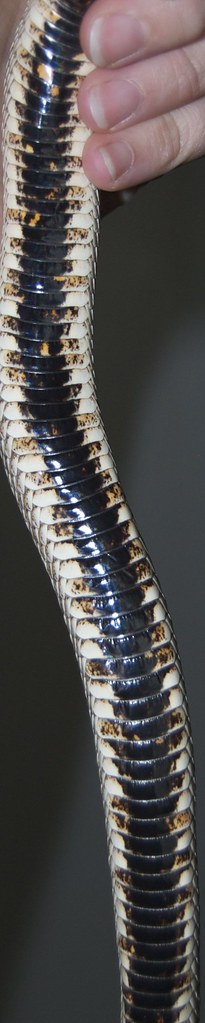
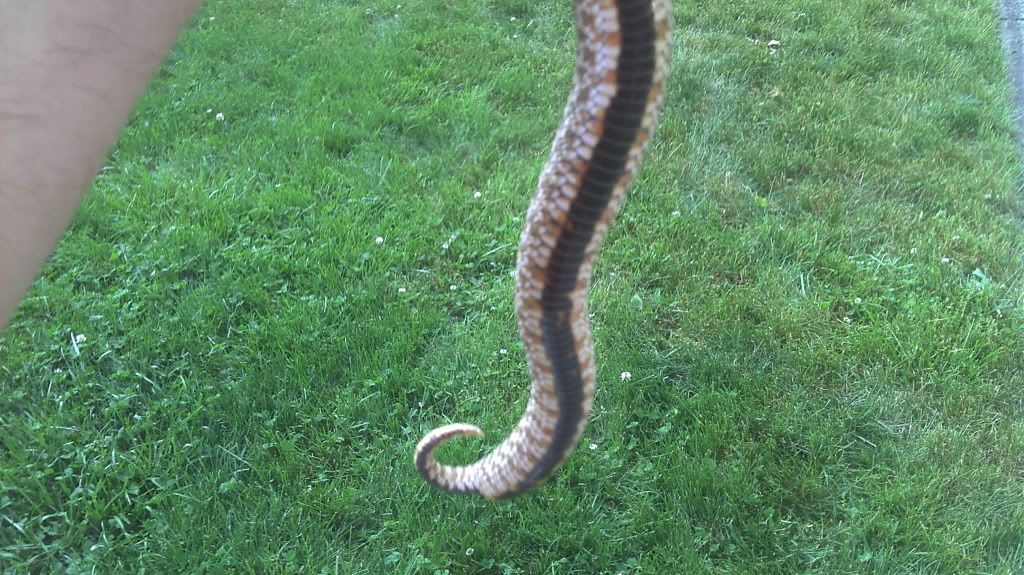
Belly shot, almost all black. This is a male right? I don't have a similarly sized female to compare the tail length with.

7191905796_653549cbf4_b.jpg


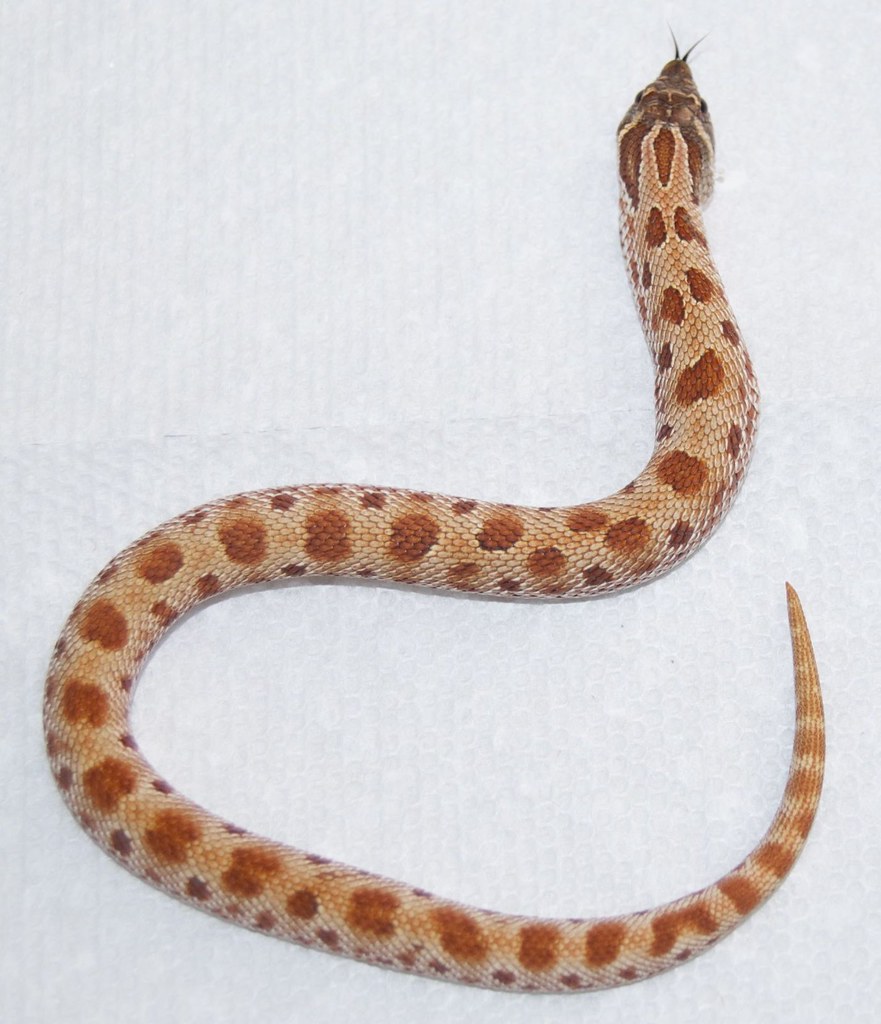
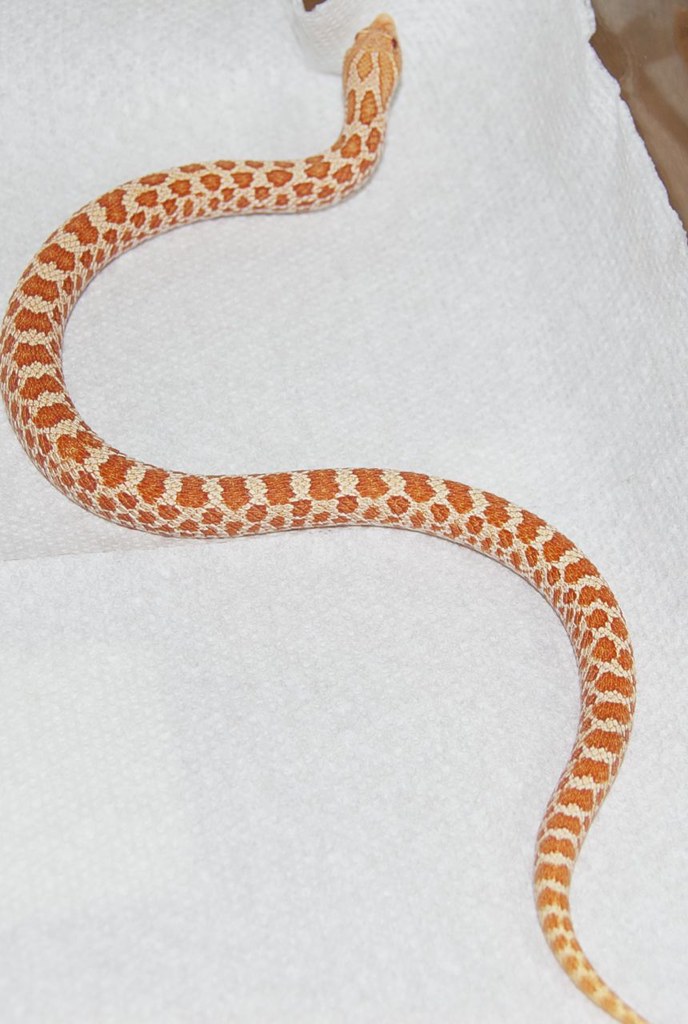
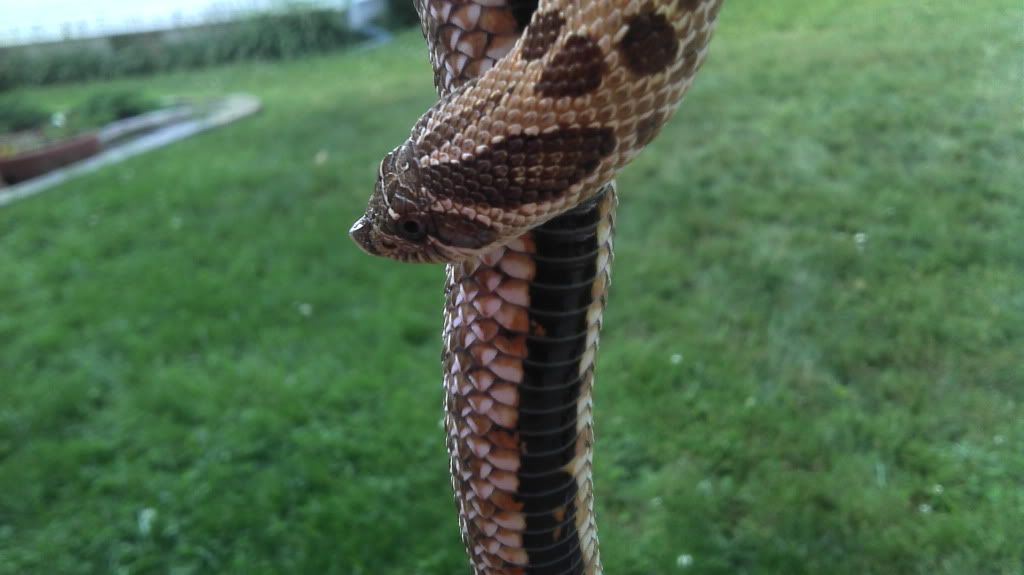
Here is my Red Albino Female. Can you say future Albino Anacondas?

6991483074_b3b6f68178_b.jpg


7137564615_653a16a3d3_b.jpg


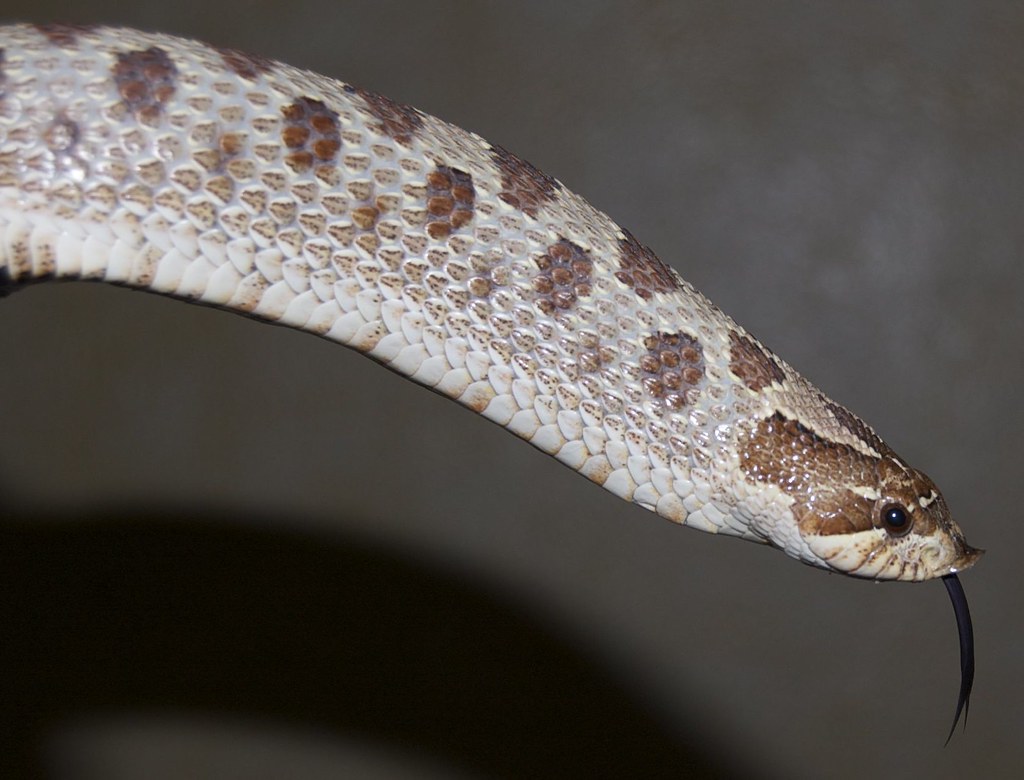
This is a normal female that came with the Anaconda male as part of the package. I was surprised to see how light her color was.

7191905850_7e3d0330fb_b.jpg


7191905860_af5693ae73_b.jpg


7191905862_78349396d4_b.jpg


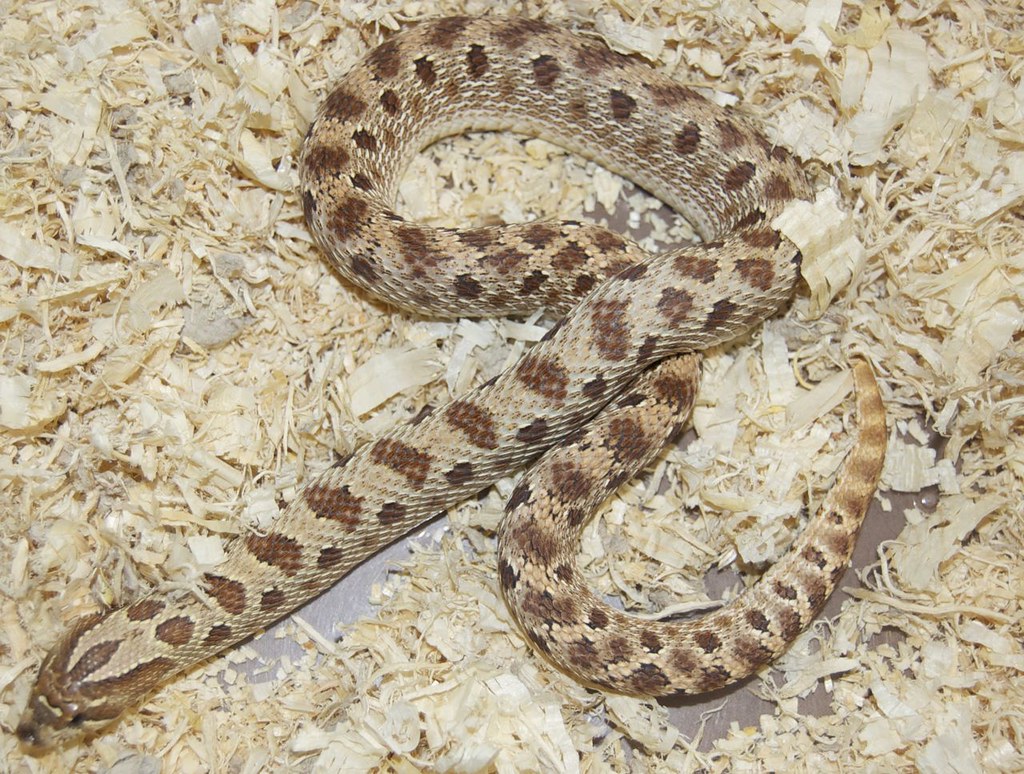
Here is the BIG gal that started it all. A 500 gram normal female. She may be for sale soon since I have an extreme red female coming in.

6991485110_21f5b1697f_b.jpg
 
That "normal" female that came with the male doesn't look so "normal" to me...i'm no hognose expert, but that looks anaconda to me as well?

Looking at that belly shot/tail, it does appear to be male with that long tail.

BEAUTIFUL snakes. That red girl is killer!
 
You know I thought she looked anaconda as well! I just didn't want to sound dumb asking if she was one. Perhaps a Hognose expert can chime in.
 
More pics.

Blond/red gal

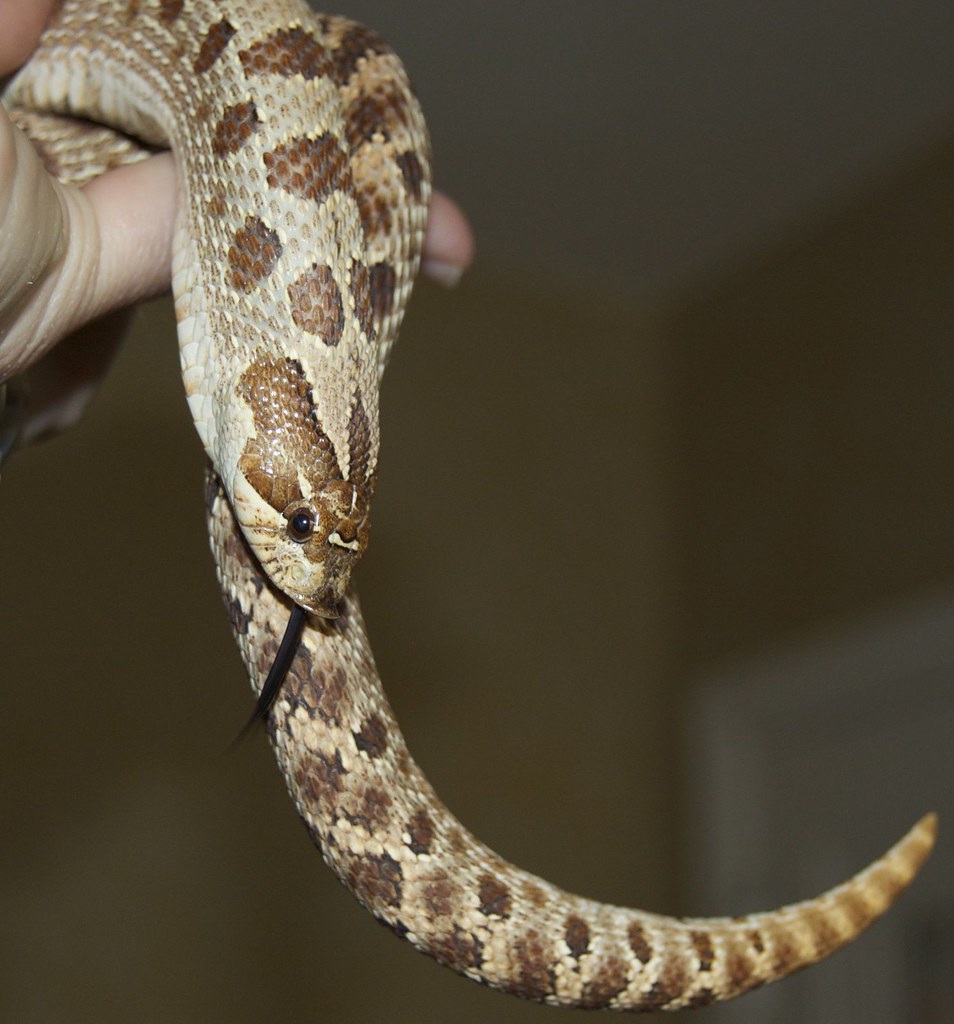
Pretending to be a rattle snake

7192216874_4600d49b96_z.jpg


Side shot, note the puffed throat (she thinks she's tough)

7192216912_e020d699fd_b.jpg


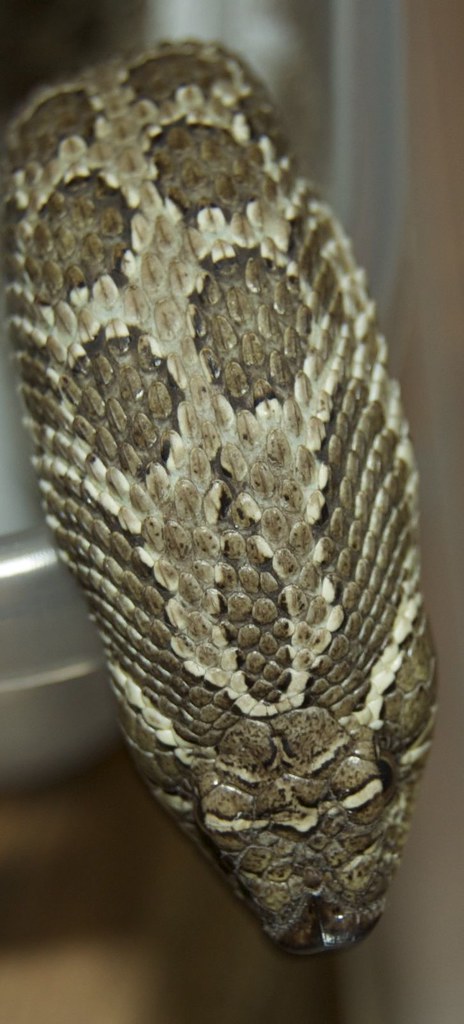
Belly shots

7192216986_e635a5de95_b.jpg


7192216994_b0df004d30_b.jpg


Here are some shots of my BIG normal gal.

7192217090_cfa76b840f_b.jpg


Here's her belly, more speckled.

7192217084_83245175fd_b.jpg
 
While your female appears to have aberrant patterning, I don't believe she is an Anaconda based on her ventral scale coloration. I wrote a few in depth articles on how to define Anacondas based on my own collection and observations:
here
and..
here

I hope this is helpful!
 
I'm sorry, I must be dense, but the articles seem to contradict one another. In one you say you are certain that your aberrant with just a black belly is a normal and in the other one you say that you are uncertain but you a pretty sure it's an anaconda even though it seems to have less anaconda properties than your first aberrant.

Also I don't think it helps to compare a super anaconda belly to either a normal anaconda or a black belly since it has been established by Brent already that super anaconda have different bellies than normal anaconda (blacker, narrower).

Here is Brent's comparison and there is a huge difference in super and normal anaconda bellies.

http://www.superconda.com/htm/photogallery_patternmorphs.html

Have you bred either of your aberrants to anacondas yet?

I talked to Brent about my gal and he says that she has many of the qualities of an anaconda but needs to be bred to an anaconda and see if any supers are produced to know for sure.

I'm not willing to label mine an anaconda until she has been proven or disproven by breeding to an anaconda.
 
I'm sorry that you obviously did not understand my articles and the exact reasons why they were written. They were basically written to help discern markers on Anacondas and what has been discovered has been all the belly pattern and the "white walls", the outer sides of the ventral. In Anacondas, the edge of the ventrals should be solid white, sometimes with a little bit of solid black bleeding through, but no other pattern coloration, in my experience in hatching out 40+ Anacondas as well as a Superconda, has ever been discovered on a true Anaconda. And trust me, there's a lot of Anaconda looking aberrant patterned hognose snakes out there as well as Low-Key (normal looking) Anacondas as well and the one thing that always separates them is the "white wall" trait.

"contradict one another. In one you say you are certain that your aberrant with just a black belly is a normal..."
"Have you bred either of your aberrants to anacondas yet?"

This is probably where your "contradiction" lies, I don't know what you are referring to as far as "my" aberrants. In my first link/article, I'm merely showing the difference between a normal black belly and a Superconda/Anaconda belly, primarily the "white wall" ventral differentiation. And in the second article I'm discussing what appears to be a Low-Key Anaconda and going through all of the, then known, markers of what supposedly are exclusive to identifying Low-Key Anacondas from Normals. Nowhere have I seen where I called my one black belly female an aberrant nor do I believe that I brought up that term in regards to any of my other normals. If you would kindly show me where I have said this, perhaps I can further clarify any misunderstandings.

And just to clarify, no, I have never bred any of my Anacondas to our solid black belly female that I showed in the first link/article. She was however bred several years ago to another black belly male and of the 4 eggs that hatched, 3 were black bellied and one was not. But no Anacondas ever came from that line.

What I see with your female from the belly shots is normal coloration on the edge of the ventrals and NOT a solid "white wall". An aberrant pattern and a solid black belly are not necessarily the only indicators of an Anaconda nor are they exclusive to Anacondas.

"Also I don't think it helps to compare a super anaconda belly to either a normal anaconda or a black belly since it has been established by Brent already that super anaconda have different bellies than normal anaconda (blacker, narrower)."

"Here is Brent's comparison and there is a huge difference in super and normal anaconda bellies. "

You are partially correct in that the picture of our Superconda, Twix (that we purchased from Brent), does have a very thin black ventral pattern as seem to do with several of Brent's Supercondas as well. I used to believe that this was exclusive to Supercondas, having a thin black ventral. However, the one Superconda that we have so far hatched out this year has a wide ventral pattern like her 2 Anaconda siblings as well as every other F1 Anaconda that I've hatched out. This tells me that the thin ventral coloration is not exclusive to Supercondas, that they can also have wide ventral coloration as well. It could be that the Supercondas that Brent produced were F2s and that this has caused an even further reduction in ventral coloration. But then this raises the question as to what the lineage of our Anaconda is versus our Superconda as I know they are related to some degree, but not sure as to how close since we purchased both of them from Brent a year apart. All I know is that our own 2012 hatchling Superconda has a wide ventral compared to when we received Brent's 2009 Superconda (Twix) which even as a hatchling had a very narrow ventral. :shrug01:

And for the record (being factual, not defensive)... I know Brent, his site, and at one point, everything he had to say about Anaconda markers as I originally purchased my Anaconda from him when he sold them the first year as well as purchasing our original Superconda from him 2 years later. I've spent many hours on the phone with him, talked to him in person as well as countless emails and discussion through forums. Not once has he ever corrected me on my statements about Anaconda markers.

Brent is correct though, should you breed your Anaconda to this particular female and you produce Supercondas, you will then have verified that she is indeed an Anaconda. Based on her not having "white walls", I personally would not bet money on it. If she does prove out to be an Anaconda though, I do hope that you will email me personally (I don't frequent this site that often) and let me know so that I can reassess what I've held to be true for the last 4 years of owning and studying Anaconda traits. :)

Either way, she's a good looking hognose and I wish you all the best with her and the rest of your endeavors. They are fun snakes!

 
I'm not disputing your marker I'm just finding the articles confusing when put together. I think you used the word anomaly not aberrant. I guess the part I didn't understand in the second article was that the anomaly only shared two traits with the anaconda but you were still saying you were certain it was anaconda. Are you sugestion that the only two important traits are white margins and black belly?
 
I'm not disputing your marker I'm just finding the articles confusing when put together.

That's ok. I suppose that my posts, when taken out of context in relation to the previous posts of discussion that those posts were originally intended, that they might seem "off". Perhaps if you scroll to the bottom of either of those links and see the entire thread and read everything from the beginning that perhaps they will make better sense. I only offered them to you as they contain the crux of information and felt that the information itself would prove relevant on it's own.

I think you used the word anomaly not aberrant. I guess the part I didn't understand in the second article was that the anomaly only shared two traits with the anaconda but you were still saying you were certain it was anaconda.

Yes, that female, as she is compared to all the other Anacondas I've hatched out, is the only anomaly in regards to having, what I would call, a normal (or close to) dorsal pattern but having a solid black belly and the "white wall" ventral coloration. When this was discussed further with Brent on the phone in 2010, he also seemed to confirm that there were "Low-Key" Anacondas that appeared like Normals based on the dorsals but that the ventrals were definitely a more definitive marker. Unfortunately, Brent has always seemed to be on the quiet side about posting more in depth on the forums about his observations on Anaconda phenotypes and genetics nor has he offered much in the ways of emails, but he was always informative on the phone. Brent has also claimed that Low-Key Anacondas seem to produce better looking F1 Anacondas although I do not understand why they would nor can I confirm his claims. But this is what he has told me.

While I'm not saying I'm completely certain that she is in fact an Anaconda, the signs are definitely there. To prove my assumptions, of course I will have to breed her to an unrelated Normal and see what offspring I produce. Unfortunately, she was a real stubborn eater her first year, so she's still not up to breedable size as I had hoped she would be by this time. But she will remain in my collection and I will eventually breed her to find out exactly what she is. But again, the main point in that article was to point out the misconceptions of how many were describing Anacondas by certain markers that have proven over the last several years to not be 100% accurate, such as just having a solid black belly (these have been found on many non-Anaconda Normals), reduced neck pattern (there are definite Anacondas that do have patterning on their necks) and of course an overall reduced dorsal pattern or the proverbial "spots" where some Anacondas definitely have more like saddles or bars on their dorsal than spots. The only thing that has remained constant with every single Anaconda I have seen is the "white wall" of course accompanied by an almost, if not all, solid black belly. That is how I determine an Anaconda, by use of the "white wall" ventral marker which of course I believe answers your question "Are you sugestion that the only two important traits are white margins and black belly?"

I have written lots about this and none of my peers who have had been keeping and breeding Anacondas as long as I have have disputed my claims. That's not to say that I believe I'm 100% correct, there could always be that new anomaly that proves me wrong, but so far my assertions have help up since those articles were written 2 years ago.
 
Ah! yes, makes a LOT more sense with that particular context! Thanks! I am loving the hognose, such curiosity! I open the tub and my albino rises up out of the aspen like a cobra to see what is going on...then hisses at me. Love it. But I must profess that I am much more skilled with identifiying ball python morphs.
 
Ah! yes, makes a LOT more sense with that particular context! Thanks!

You are very welcome! I'm glad that everything I offered makes more sense now. :)

I am loving the hognose, such curiosity! I open the tub and my albino rises up out of the aspen like a cobra to see what is going on...then hisses at me. Love it.

I know exactly what you mean. I've kept Corns and Kings for 20 years but since I got into Hognose 6 years ago, that's pretty much all I'm interested in now, having a collection of about 130 Hogs. While all breeds of snakes have their own kind of personality, I have found Hognose are a lot more endearing, or at least personable, to me.

But I must profess that I am much more skilled with identifiying ball python morphs.

Well, truth be known, there's an intense amount of fervor right now with Hognose as many believe this species to be the next Corn snake or Ball Python market, so with that, many are declaring unproven morphs and overproducing trying to edge their way into the marketplace as the next "big time" breeder. The basic well known and proven Hognose morphs that have been around prior to these last 3 years on are well known and more or less proven, I'm more skeptical of some of these so-called morphs that have arisen within the last 3 years. While there are very interesting traits being exhibited, not a lot is really known nor are some of these breeders being prudent enough to spend the years it can sometimes take to fully comprehend. So be careful and always ask a lot of questions when deciding on something not well documented and if it doesn't sound 100%, then it's probably safe to pass if there's a lot of money involved!

Good luck to you and your snakes!
 
There are still people in the ball python world trying to pass pretty normals off as 'The Next Big Thing' so I can see that happening in hog too.

My real goal in the end is to have red Anaconda, normal Anaconda, and albino anaconda and of course all the fun little normals that go along with the clutches.

I'm just a small time hobbiest so I'm certainly not looking to be a famous breeder. I work with a small pool of snakes. They are part pets part hobby.

Thanks for the help. I'll let you know what happens with her clutch next year!
 
This is my possible het Toffee Belly female hog. She is out of anaconda breeding but is not an anaconda. Not an anaconda and deffinitely not toffee belly visual. She is all messed up :D

2012-05-23_19-34-37_764.jpg


2012-05-23_19-34-27_511.jpg
 
Thanks! She is slowly becoming our favorite one of the bunch. She was a little hissy when we got her but now when we open her tub she will go where ever your hand is. She definitely has her own personality and actually seems to love to be held. Like you we are not going to be a big time breeders here either. All of our hogs are not just breeders but pets as well.
 
My gal is insane hissy! I step in the room and she hisses. But if you pick her up she stops. Very odd. Such fun little snakes!! Good luck on getting some toffee!
 
My Anaconda is that way some days too. I swear he can jump an inch or two in the air when he decides he wants to show off. Very funny to watch. Then some days you walk in and he is as calm as can be without a care in he world. Amazing how personal they can be from one to the next.
 
Back
Top