
VP Exotics
Tortoise Enthusiast
1-3 $600 each.
4 or more $575 each
Shipping extra.
For more information contact via email here.
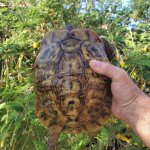
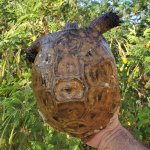
Never before has the Armenian Tortoise (T. Graeca Armeniaca) been offered for sale publicly in the US. The Armenian tortoise, a subspecies of the spur-thighed tortoise (Testudo graeca). It is also known as the Araxes tortoise. This tortoise is found in Armenia, Azerbaijan, Iran, Russia (Dagestan).
These are all adult tortoises ranging in size from 6 inches to 10 inches. Imagine Russian tortoises on steroids. They acclimate very easily and aren't prone to problems that most new tortoise in the US encounters (Nothing like North African tortoises). They eat like pigs and aren't very picky on temperature.
Here's a more detailed look:
The Armenian tortoise is one of several subspecies within the broader Testudo graeca species, which includes other well-known tortoises like the Greek tortoise (Testudo graeca graeca) and the Iberian tortoise (Testudo graeca ibera).
Physical Characteristics:
Armenian tortoises are characterized by a somewhat flattened, round or oval carapace (shell) with minimal flaring of the marginal scutes, even in males, according to a Facebook post. Males are typically more trapezoidal, especially with the prominent supracaudal shield. They are also known for their rugged morphology, which helps them thrive in their natural, often rocky, habitats.
Habitat:
They are found in semidesert habitats, particularly in the Araks Valley, as well as in the Ijevan, Noyemberyan, and Shamshadin regions of Armenia, according to Armeniapedia.
4 or more $575 each
Shipping extra.
For more information contact via email here.
Never before has the Armenian Tortoise (T. Graeca Armeniaca) been offered for sale publicly in the US. The Armenian tortoise, a subspecies of the spur-thighed tortoise (Testudo graeca). It is also known as the Araxes tortoise. This tortoise is found in Armenia, Azerbaijan, Iran, Russia (Dagestan).
These are all adult tortoises ranging in size from 6 inches to 10 inches. Imagine Russian tortoises on steroids. They acclimate very easily and aren't prone to problems that most new tortoise in the US encounters (Nothing like North African tortoises). They eat like pigs and aren't very picky on temperature.
Here's a more detailed look:
The Armenian tortoise is one of several subspecies within the broader Testudo graeca species, which includes other well-known tortoises like the Greek tortoise (Testudo graeca graeca) and the Iberian tortoise (Testudo graeca ibera).
Physical Characteristics:
Armenian tortoises are characterized by a somewhat flattened, round or oval carapace (shell) with minimal flaring of the marginal scutes, even in males, according to a Facebook post. Males are typically more trapezoidal, especially with the prominent supracaudal shield. They are also known for their rugged morphology, which helps them thrive in their natural, often rocky, habitats.
Habitat:
They are found in semidesert habitats, particularly in the Araks Valley, as well as in the Ijevan, Noyemberyan, and Shamshadin regions of Armenia, according to Armeniapedia.