


Martin Nowak
Martin's Snakes
“Researchers tested what may at first seem like a counterintuitive idea: releasing cane toad eggs, tadpoles and youngsters in areas where monitors are present and adult toads are about to invade previous research had shown that monitors are only sickened—not killed—when they eat young cane toads, and the lizards thus have a chance to learn to avoid the more toxic adults in future encounters. “It’s like we are rearranging the invasion dynamics,” says Georgia Ward-Fear, a conservation ecologist at Macquarie University in Sydney and lead author of the new study.”
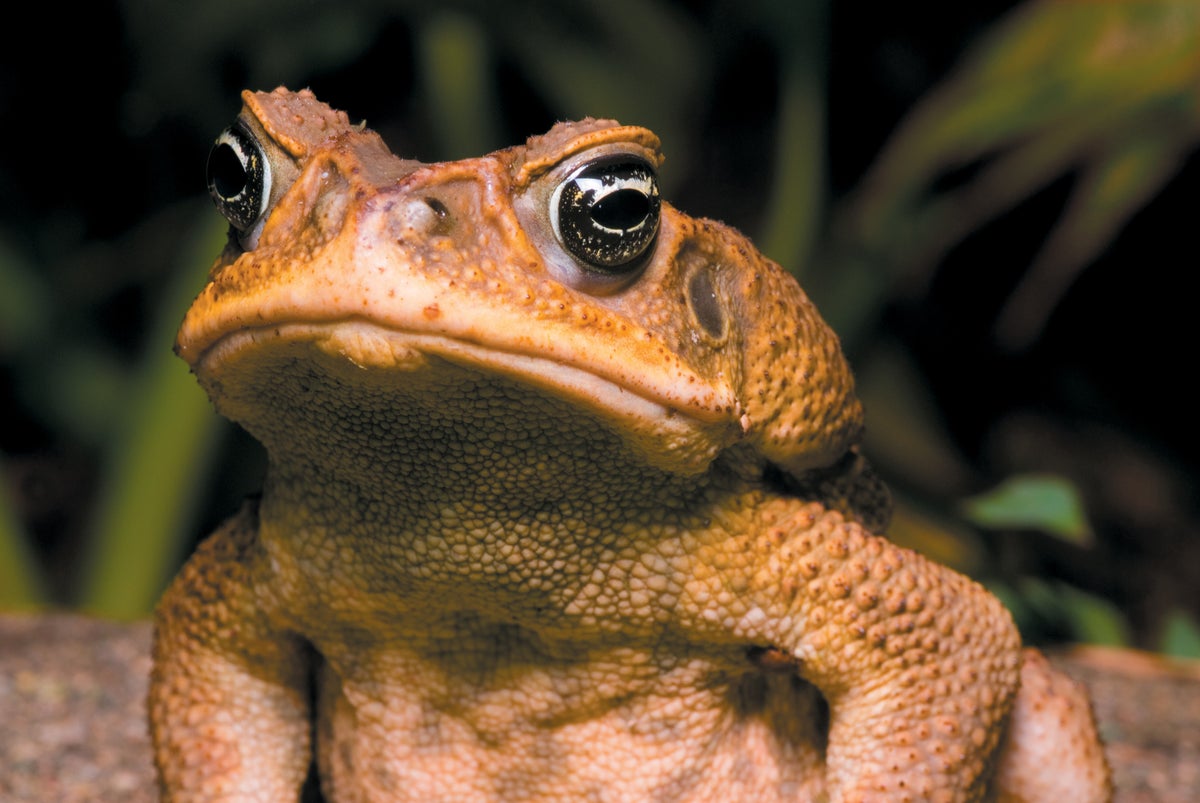
“After South American cane toads were introduced to Australia in the 1930s to control pestilent beetles, they ravaged the country’s ecosystems—and their disruption continues today. These invasive amphibians secrete toxins from their skin, killing pets and other predators that eat them. The yellow-spotted monitor, a big lizard found mainly in Australia, has been especially hard-hit: populations have declined by more than 90 percent in most areas where cane toads invaded, with cascading effects on entire ecosystems. Now, to stem the problem, scientists are experimenting with a surprising way to dissuade the lizards from feasting on the toads.”
“The study found that monitor populations exposed to the young “teacher toads” often survived the adults’ influx. In completely unexposed areas, however, the lizards virtually disappeared after the big toads showed up.”
 www.scientificamerican.com
“Teacher toads: Buffering apex predators from toxic invaders in a remote tropical landscape”
www.scientificamerican.com
“Teacher toads: Buffering apex predators from toxic invaders in a remote tropical landscape”
BUT - let us not miss HOW the cane toads got to Australia.
Government and academic scientists first released cane toads in Hawaii to control insects. Offspring of these toads were then released in Australia to control pests in the sugar cane industry. No reptile keepers were involved.
"A government entomologist working for BSES, Reginald Mungomery, imported the toads, bred them and released them4. He was convinced the cane toad was the answer to a major agricultural crisis in the sugar industry, as they had reportedly solved similar beetle problems in Hawaii, the Philippines and Puerto Rico.
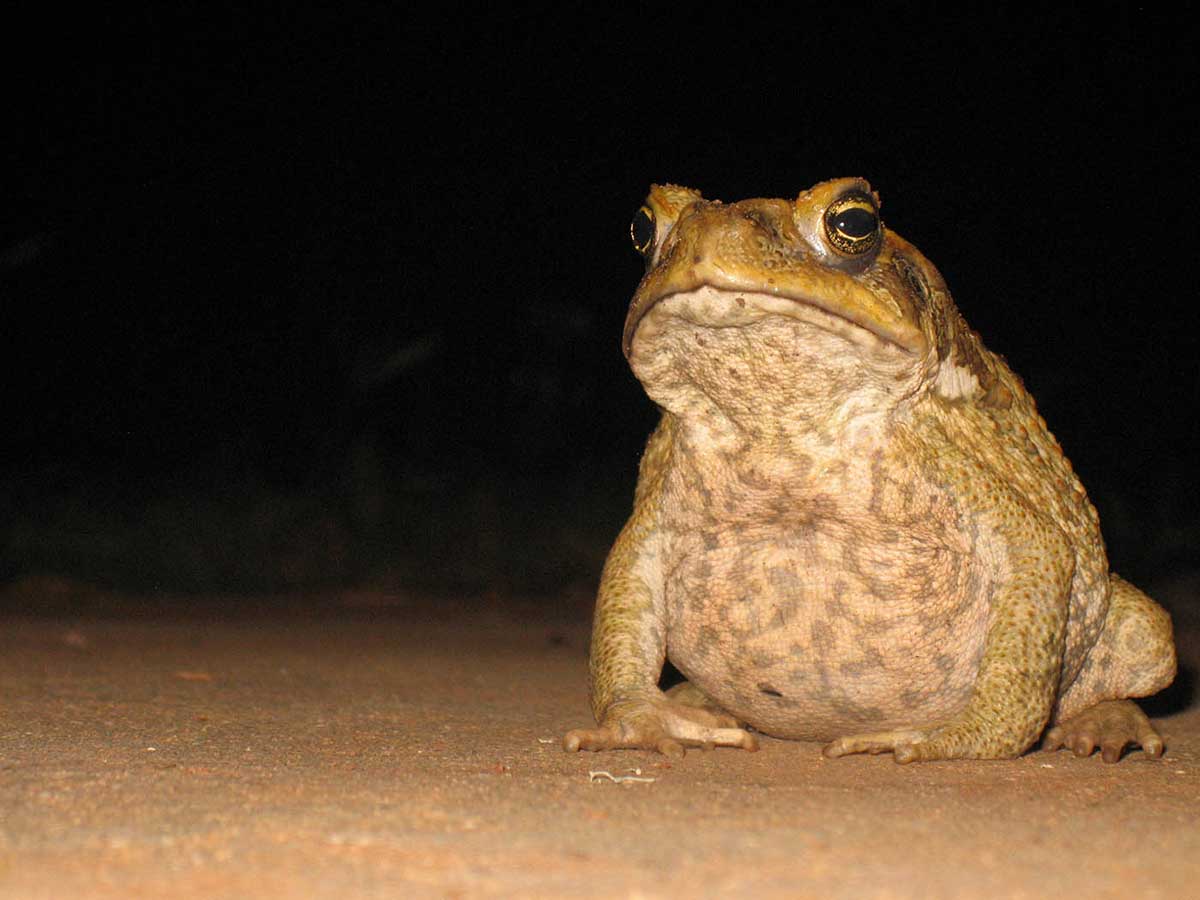
In 1932, a paper was presented by a woman named Raquel Dexter at the 4th Congress of the International Society of Sugar Cane Technologists in Peurto Rico on the use of Bufo marinus as a biological control for beetle infestations in sugar crops there4. The toad was subsequently taken from Peurto Rico to Honolulu to control beetle infestations in Hawaiian sugar cane fields. In June 1935, Mungomery travelled to Hawaii where he captured 102 toads and brought them back to Australia. When he arrived at the Meringa experimental farm near Gordonvale in far north Queensland on 22 June 1935, all but one toad had survived the journey. The toads were housed in a purpose-built enclosure and left to breed. On 19 August that year, 2400 toads were released into sites around Gordonvale4. In less than two months the number of toads had increased at least 24-fold. Further releases of toads in the Cairns and Innisfail areas soon followed."

 pestsmart.org.au
 www.nma.gov.au
“After South American cane toads were introduced to Australia in the 1930s to control pestilent beetles, they ravaged the country’s ecosystems—and their disruption continues today. These invasive amphibians secrete toxins from their skin, killing pets and other predators that eat them. The yellow-spotted monitor, a big lizard found mainly in Australia, has been especially hard-hit: populations have declined by more than 90 percent in most areas where cane toads invaded, with cascading effects on entire ecosystems. Now, to stem the problem, scientists are experimenting with a surprising way to dissuade the lizards from feasting on the toads.”
“The study found that monitor populations exposed to the young “teacher toads” often survived the adults’ influx. In completely unexposed areas, however, the lizards virtually disappeared after the big toads showed up.”
Releasing Baby Cane Toads Teaches Predators to Avoid Toxic Adults
Australian conservationists introduced juvenile cane toads ahead of invasions to help prepare native monitor lizards
BUT - let us not miss HOW the cane toads got to Australia.
Government and academic scientists first released cane toads in Hawaii to control insects. Offspring of these toads were then released in Australia to control pests in the sugar cane industry. No reptile keepers were involved.
"A government entomologist working for BSES, Reginald Mungomery, imported the toads, bred them and released them4. He was convinced the cane toad was the answer to a major agricultural crisis in the sugar industry, as they had reportedly solved similar beetle problems in Hawaii, the Philippines and Puerto Rico.
In 1932, a paper was presented by a woman named Raquel Dexter at the 4th Congress of the International Society of Sugar Cane Technologists in Peurto Rico on the use of Bufo marinus as a biological control for beetle infestations in sugar crops there4. The toad was subsequently taken from Peurto Rico to Honolulu to control beetle infestations in Hawaiian sugar cane fields. In June 1935, Mungomery travelled to Hawaii where he captured 102 toads and brought them back to Australia. When he arrived at the Meringa experimental farm near Gordonvale in far north Queensland on 22 June 1935, all but one toad had survived the journey. The toads were housed in a purpose-built enclosure and left to breed. On 19 August that year, 2400 toads were released into sites around Gordonvale4. In less than two months the number of toads had increased at least 24-fold. Further releases of toads in the Cairns and Innisfail areas soon followed."
How did the cane toad arrive in Australia
pestsmart.org.au
Introduction of cane toads
1935: Cane toads introduced into Australia to control pest beetles in Queensland’s sugar cane crops