
pitbulllady
New member
- Joined
- Jul 2, 2003
- Messages
- 98
- Reaction score
- 4
- Points
- 0
- Age
- 63
- Location
- Bishopville, South Carolina-USA
"We don't get no respect, no respect at all.
Ask just about anyone how they feel about North American Water Snakes, genus Nerodia, and chances are all you'll hear is "...bunch of ugly, nasty-tempered, stinky, vicious animals no good for anything but King Cobra food!"
Well, I beg to differ. DEMAND to differ, as a matter of fact, and I am working to change that image. I currently keep four species of Nerodia, and have them all the way from newborn CB Bandeds to five-foot Red-Bellies. I can count on one hand the number of times I've been bitten, which cannot be said for Corns or Ball Pythons, two species with a rep for being docile, sweet-tempered, good "beginner" pet snakes. All but ONE of my adults are wild-caught animals, by the way, including six that were fairly recently captured in Horry County, SC. None of those six have made any attempt to bite, and two recently participated in an educational presentation during which they were held by young children. I have yet to see any snake, which as a genus, tames down as quickly and as completely as a Water Snake. Yes, if they are scared, they will musk-so will all other snakes, and their musk is no worse than a Rat or King Snake's. Trust me. I've been skunked by them all, including a 12-foot Yellow Anaconda.
Part of their bad rep also has to do with the name: WATER Snake. People assume that this means they have to be kept in a damp, or semi-aquatic environment. In fact, doing so is guaranteed to kill them, very quickly. These snakes are highly prone to "scale rot" if kept in a damp or dirty enclosure, so cleaning IS a must, as is a dry, dry substrate that can be easily replaced. They need a water bowl large enough to drink from, and that's it.
Another issue has been feeding. They DO normally feed on aquatic vertebrates, primarily fish and frogs, but I've found that 99% of them, even wild-caught adults, are easily switched over to frozen/thawed rodents by scenting, and they do much better on a rodent diet, producing less poop. You also avoid the problem of the enzyme Thiaminase, which is present in many species of common feeder fish, especially goldfish, catfish and "rosy reds", and which builds up in the snake's tissues, preventing the absorption of Vitamin B, which is essential for life. In short, it kills the snake, eventually. Many fish commonly sold in supermarkets, fresh, for HUMAN consumption, though, do NOT contain this enzyme, and I've only seen one Water Snake, my Brown male, which will not eat cut strips of fresh salmon, tilapia, flounder, croaker, or ocean perch, all of which can be purchased at nearlly all supermarkets or fish markets. What can be easier than shopping for your snake's food in the same store in which you buy your own? That's almost as easy as picking up cat or dog food in the pet food section of the store.
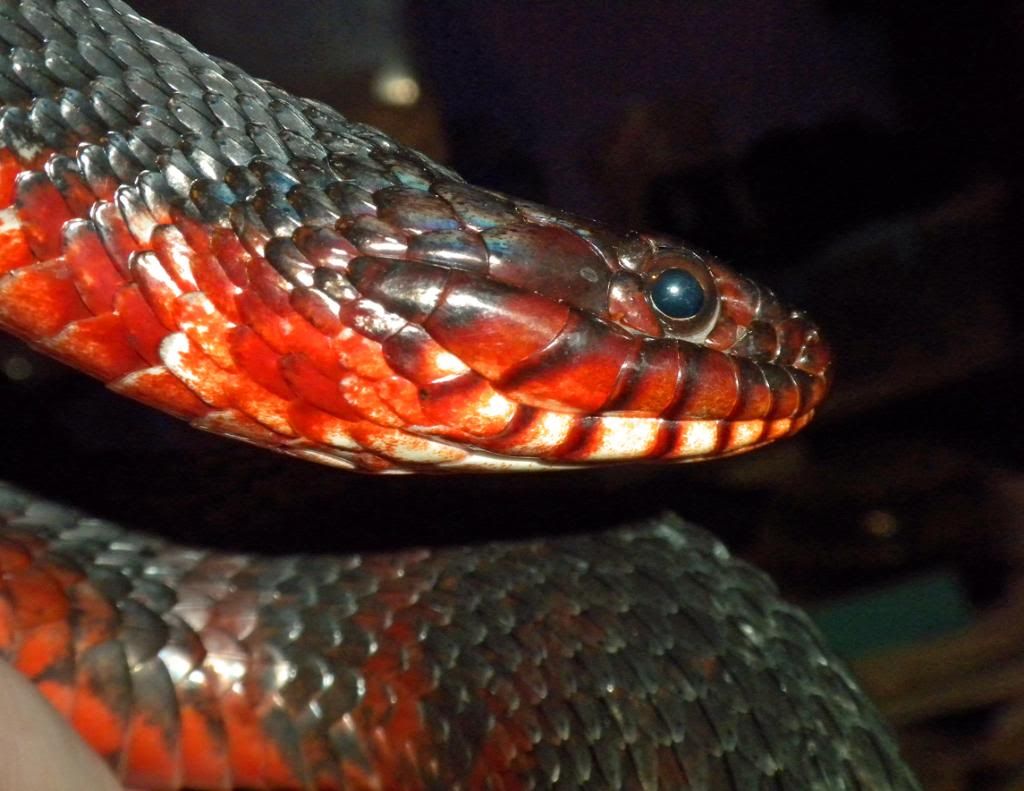
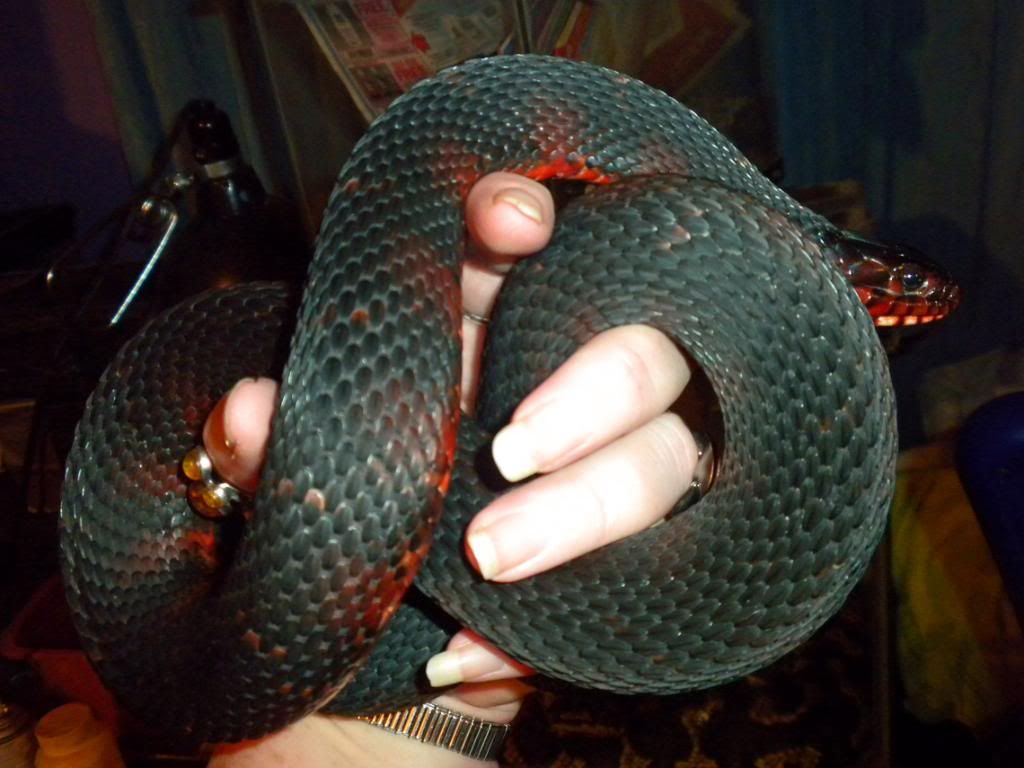
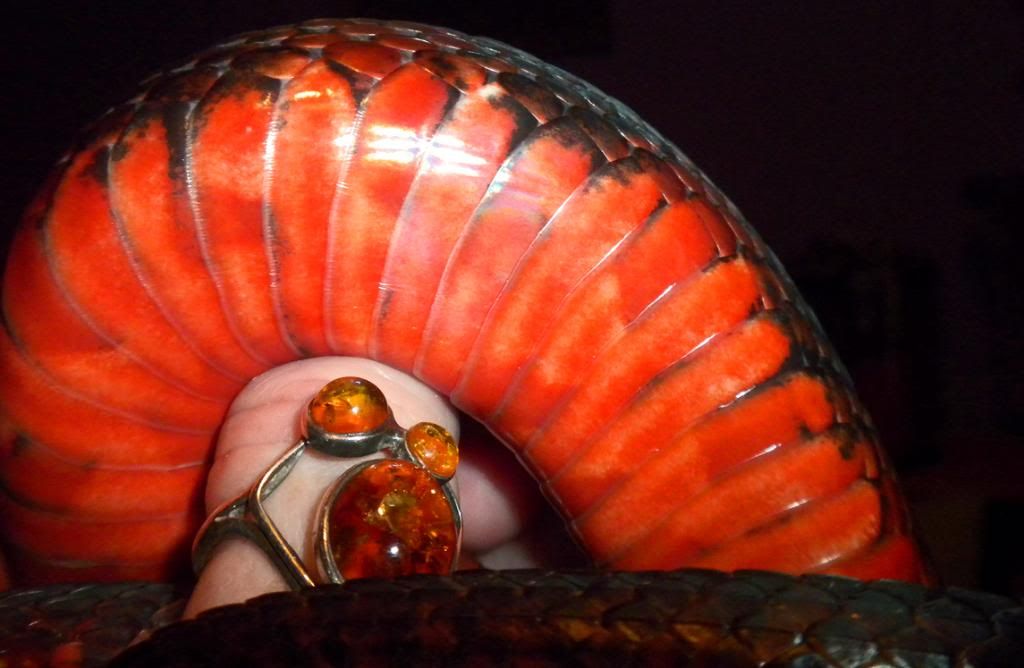
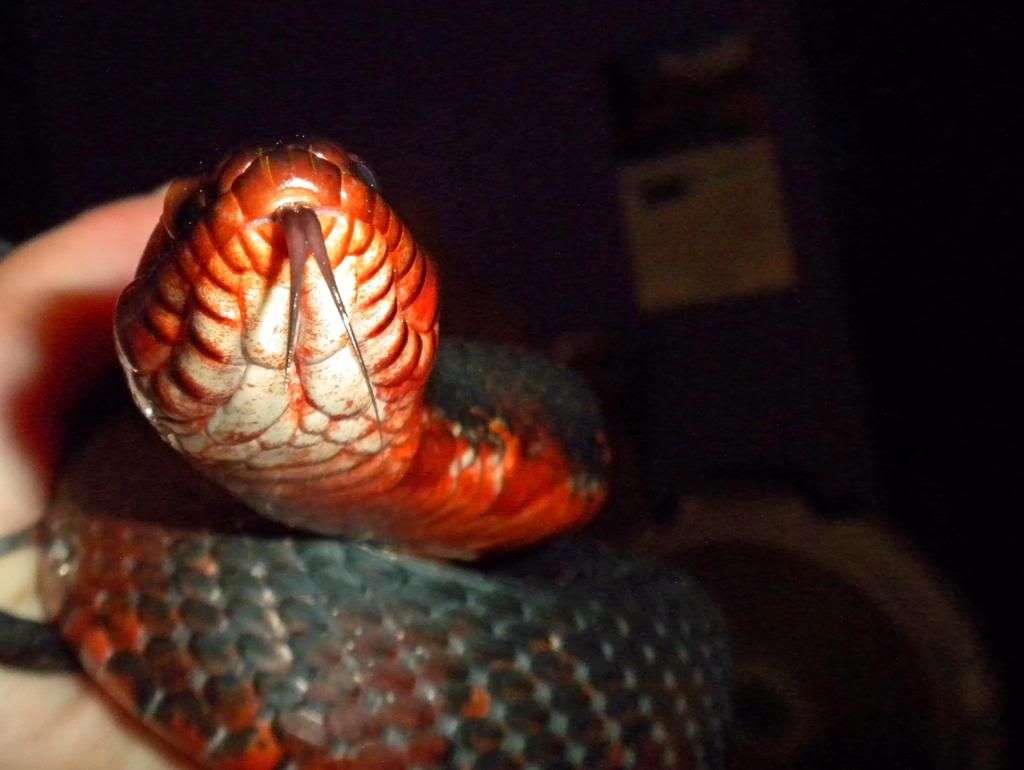
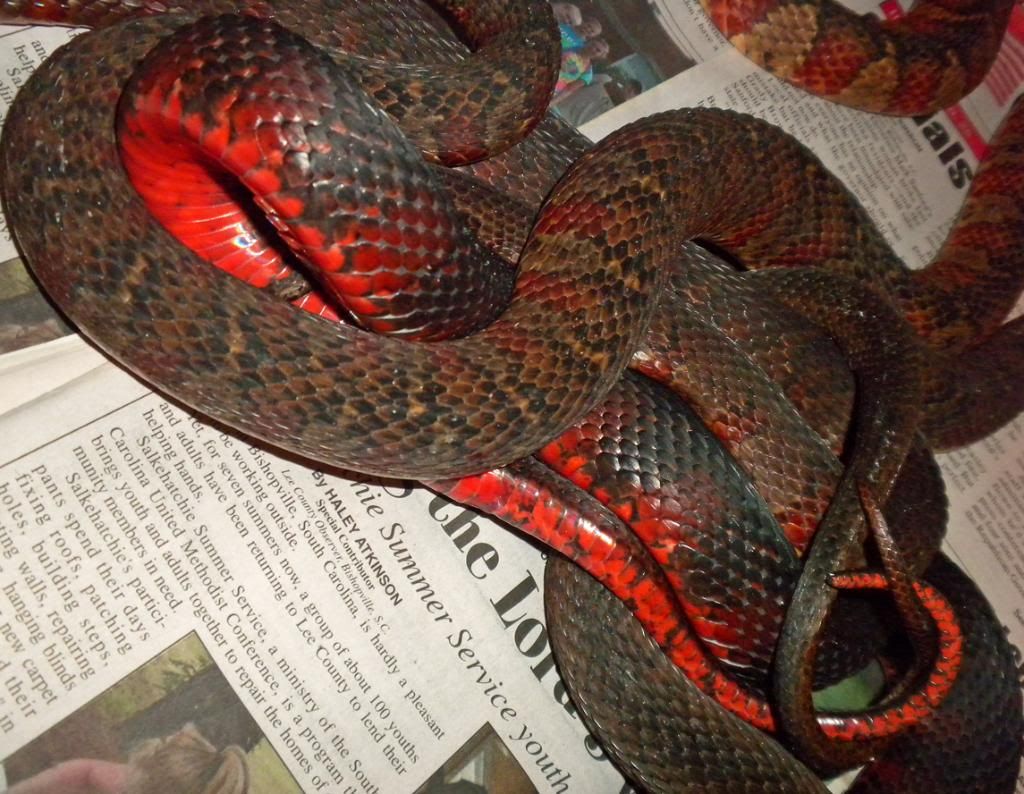
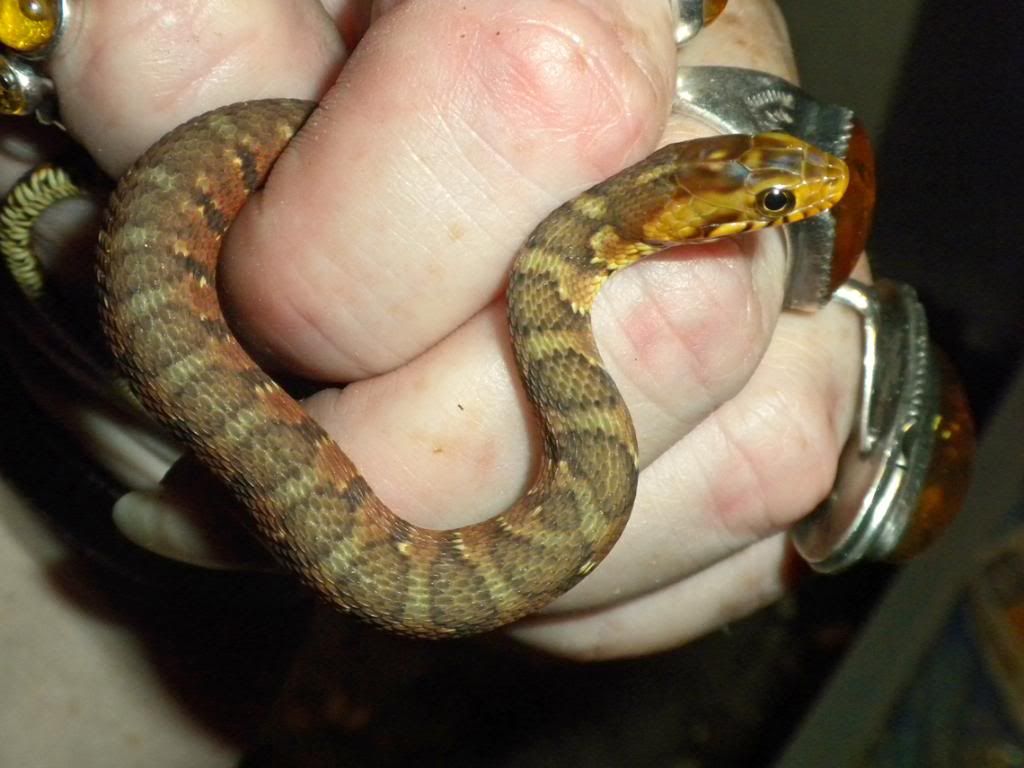
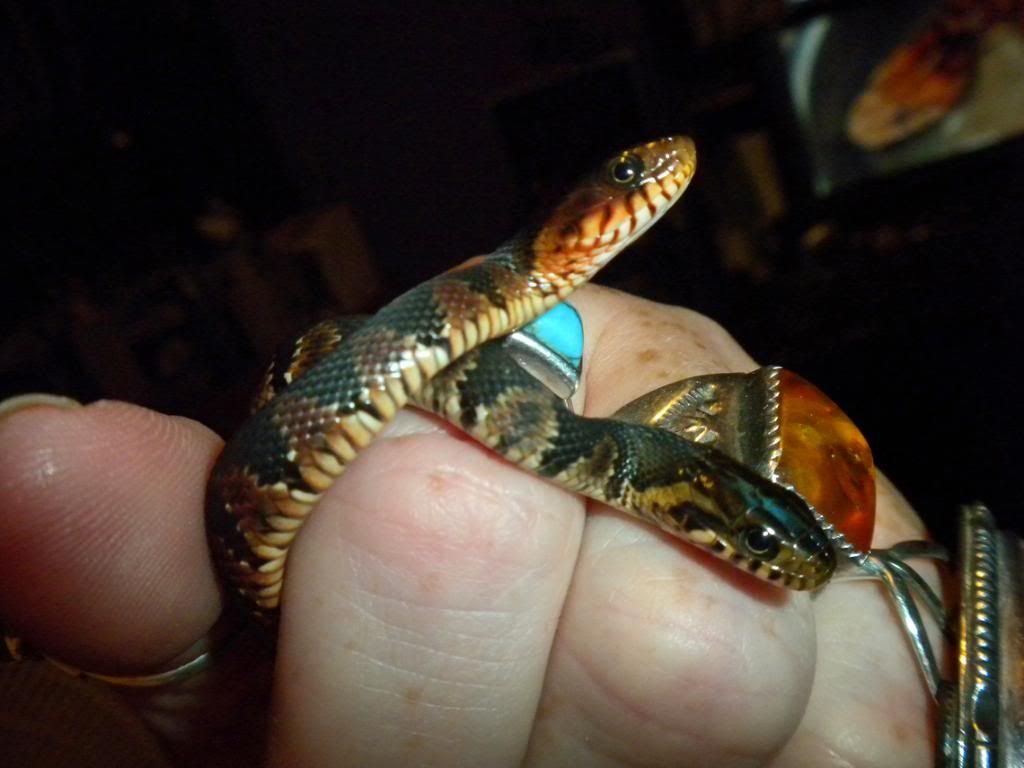
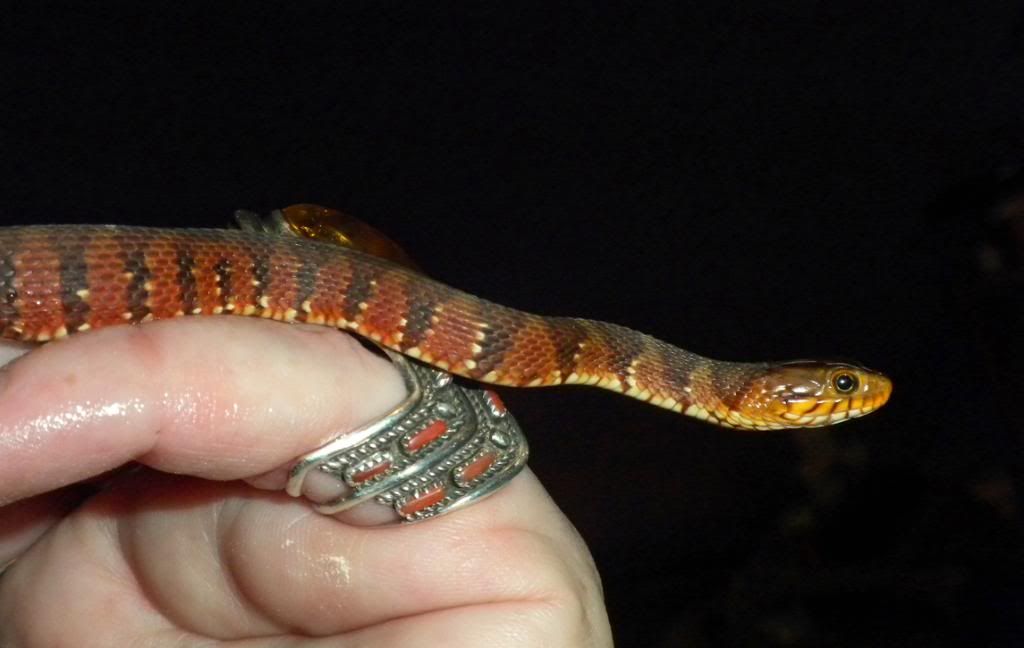
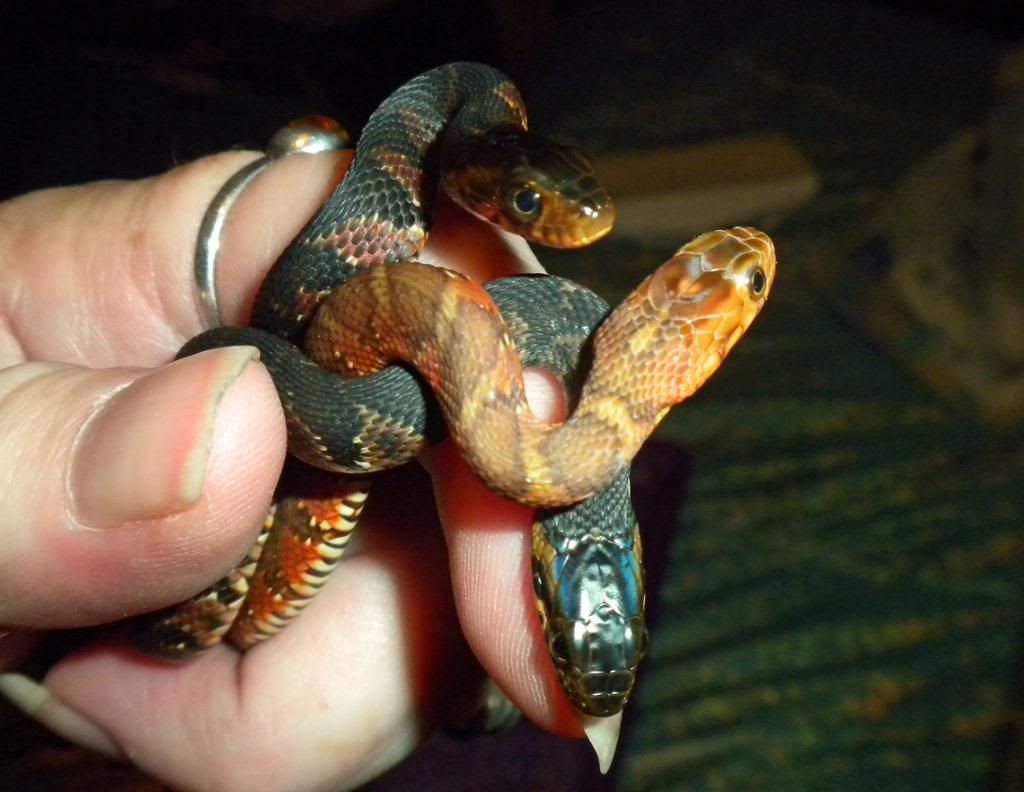
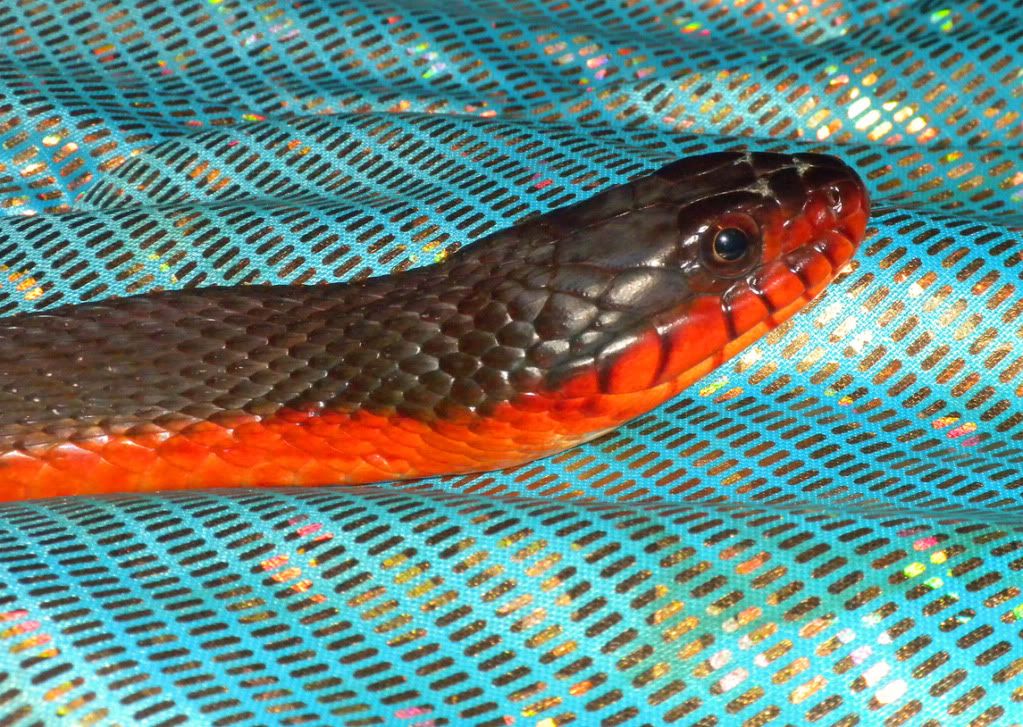
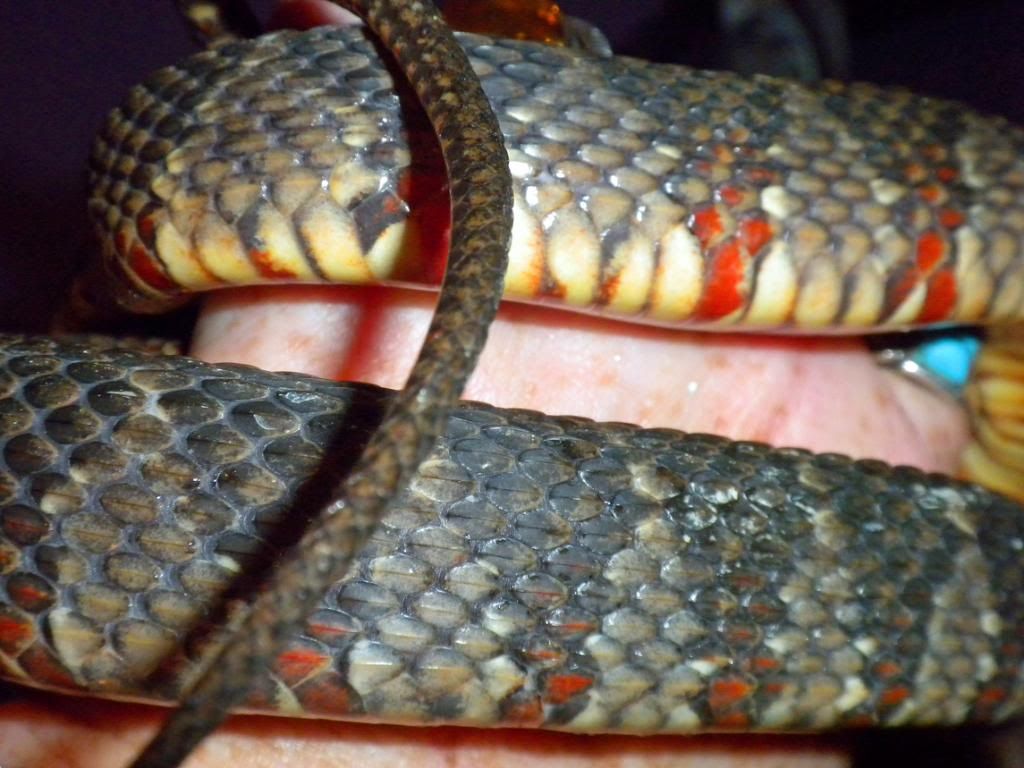
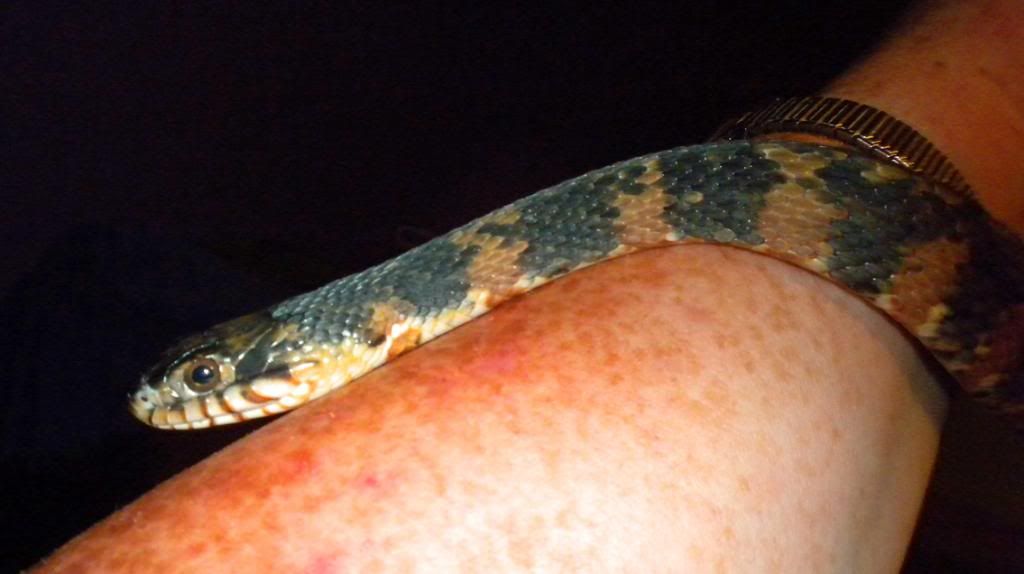
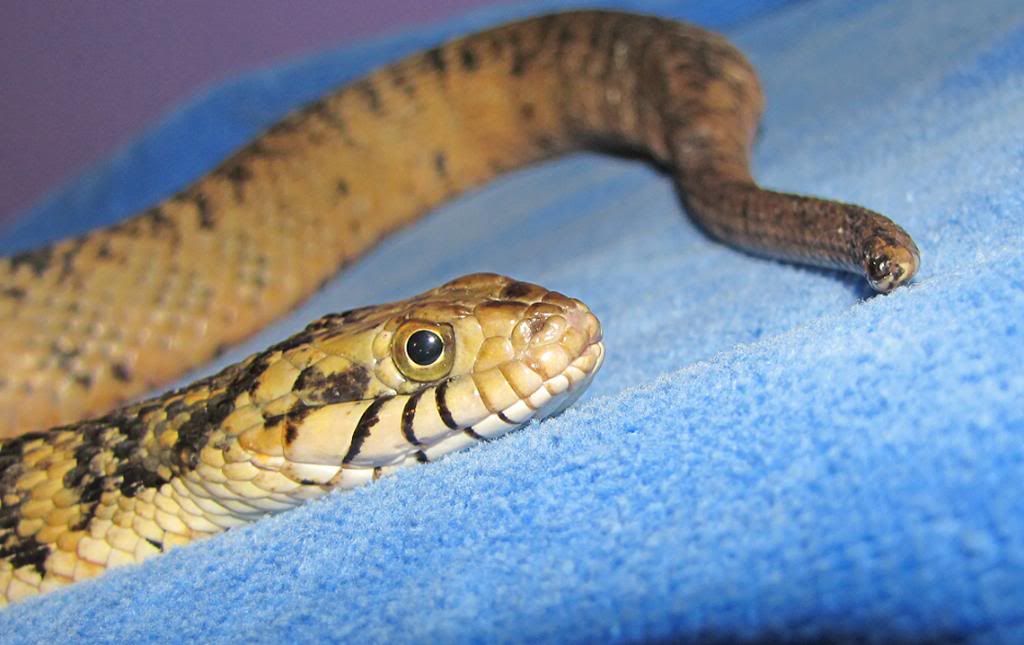
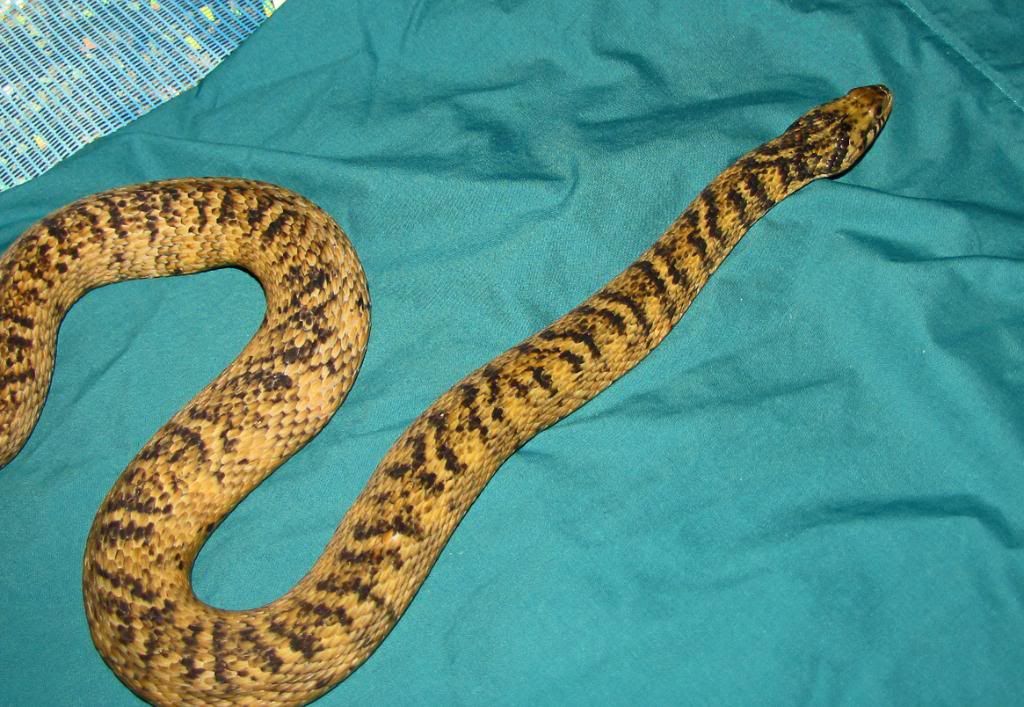
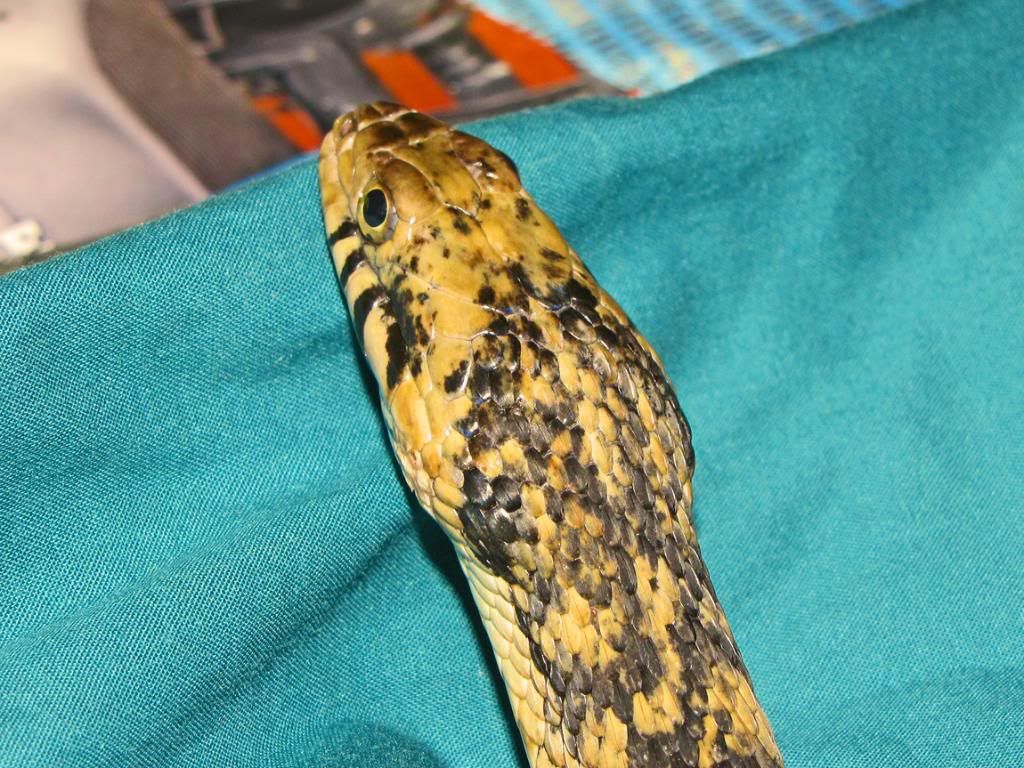
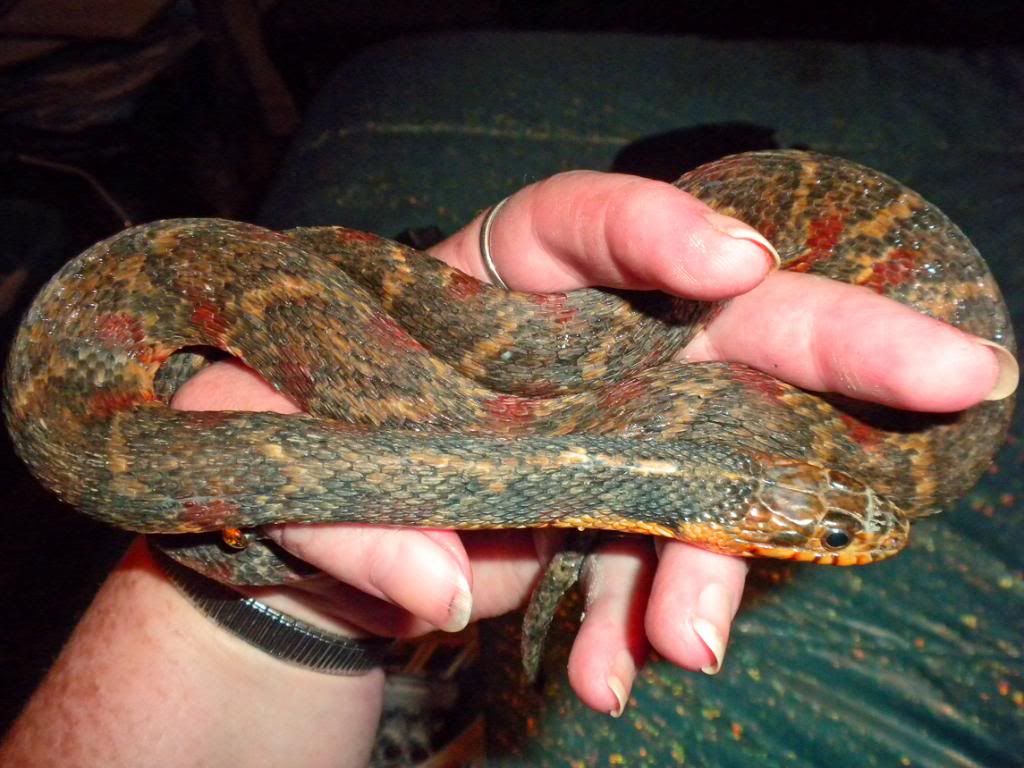
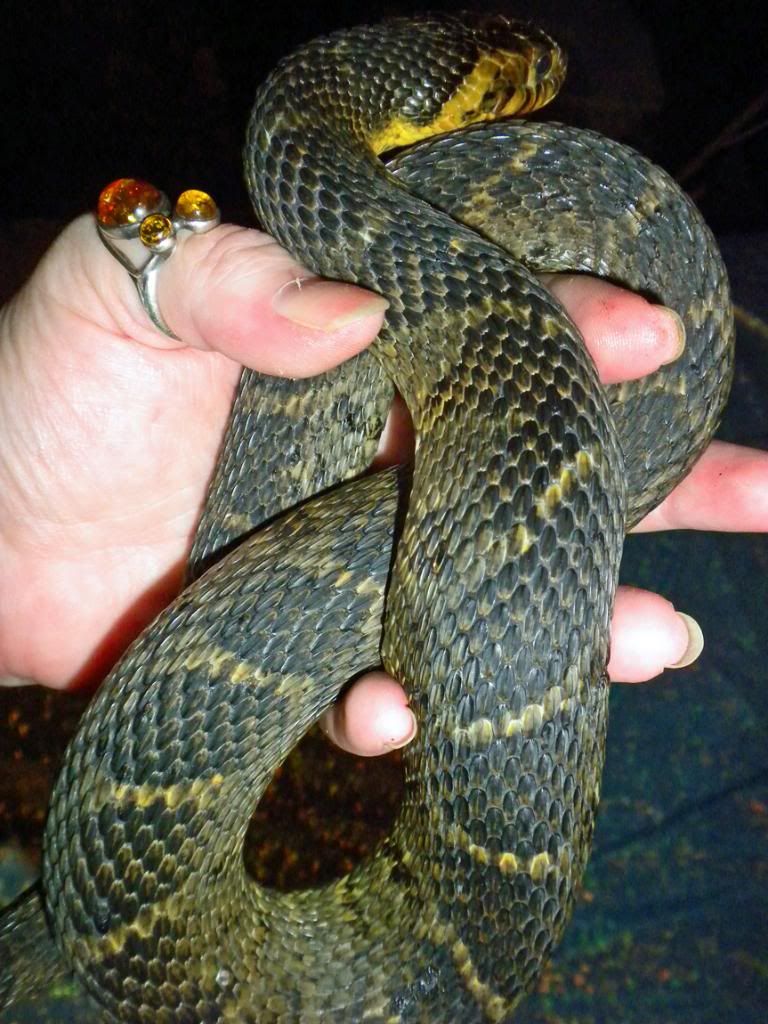
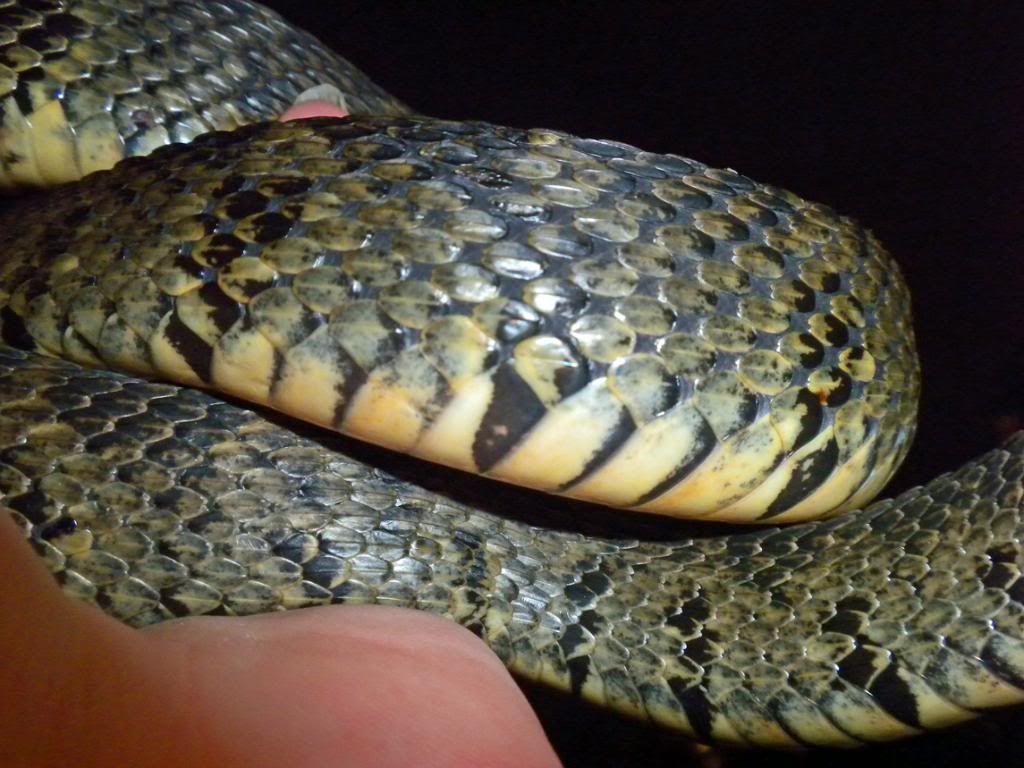
Now, to the "ugly" part...well, they say a picture says a thousand words, so I'll just let these images of my Water Snakes speak for themselves.
Adult female Banded, Hypo-Anerythristic, possible Xanthic:
Young adult male Hypo:
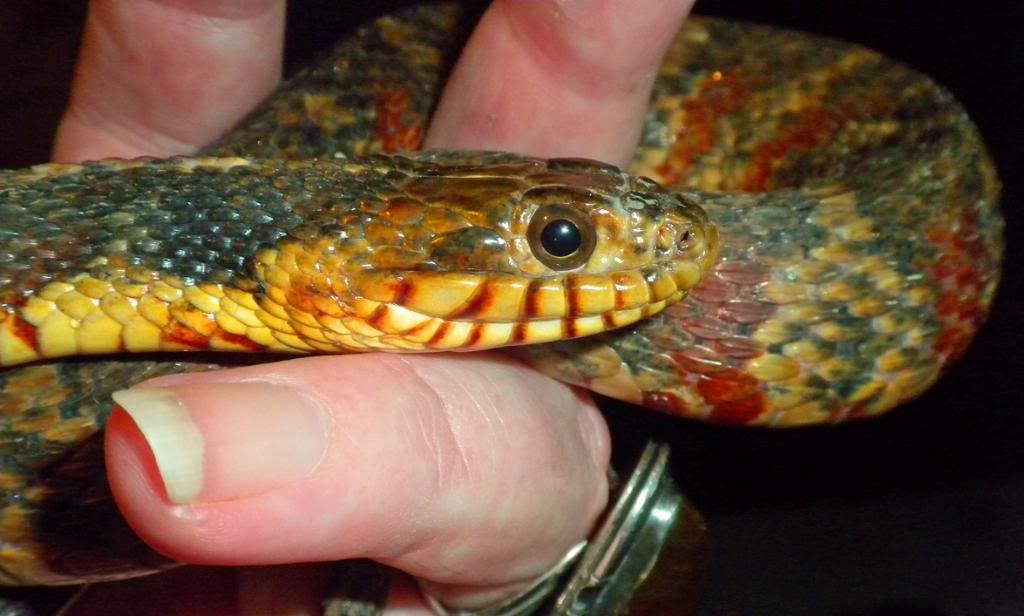
Young adult male, possible "Super-Hypo"(Hypomelanism has been proven a co-dom. mutation in these snakes.):
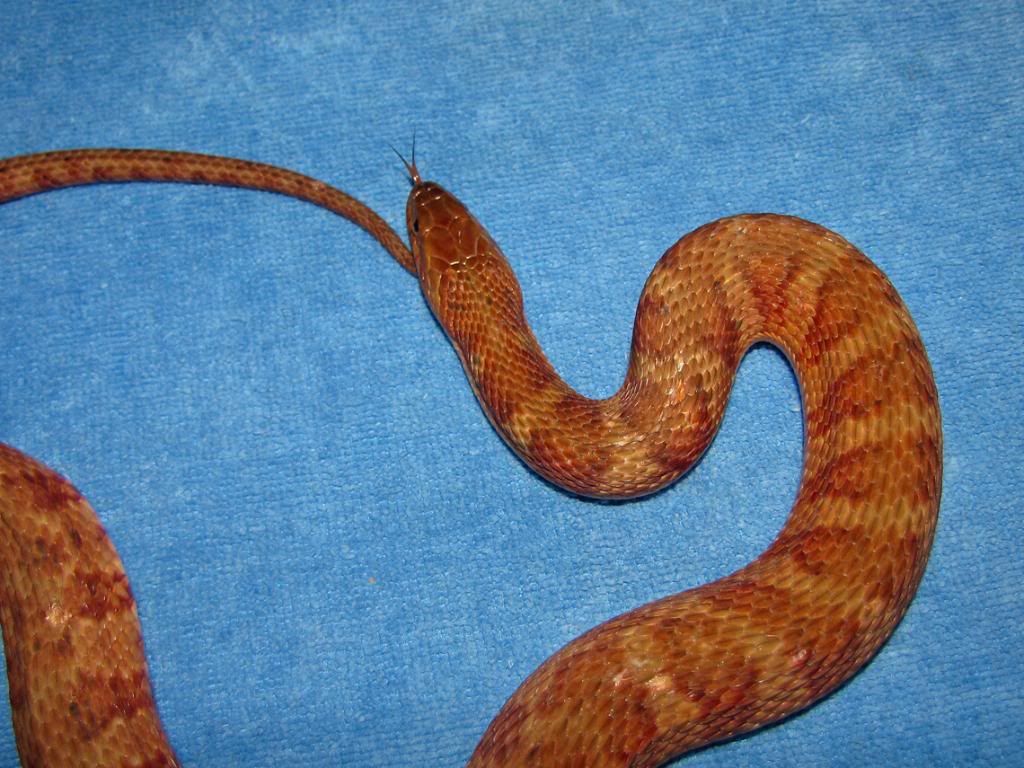
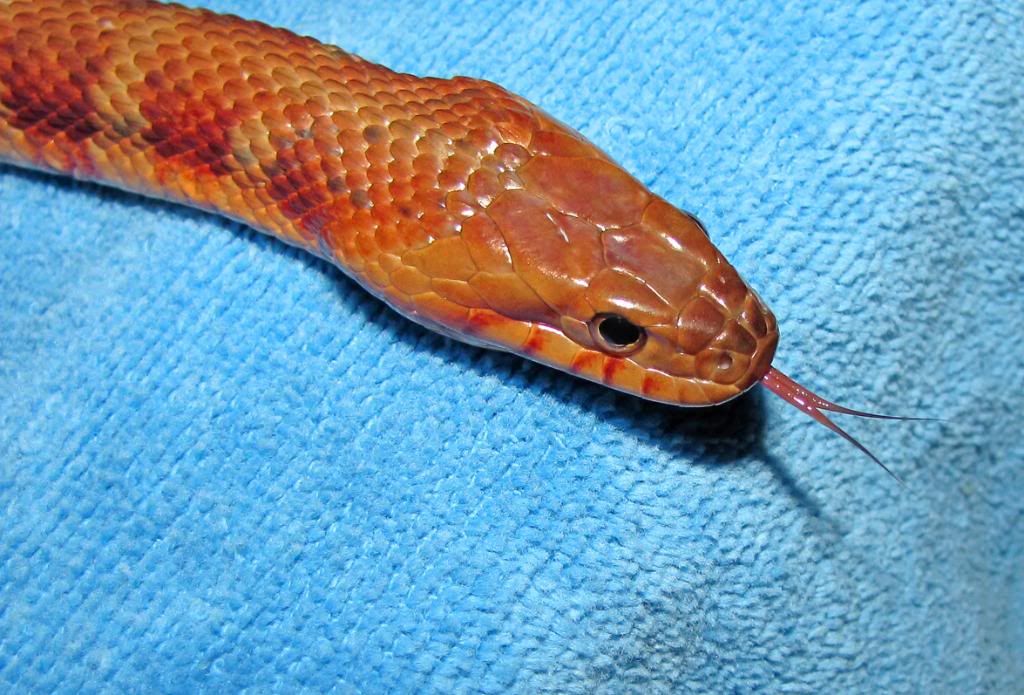
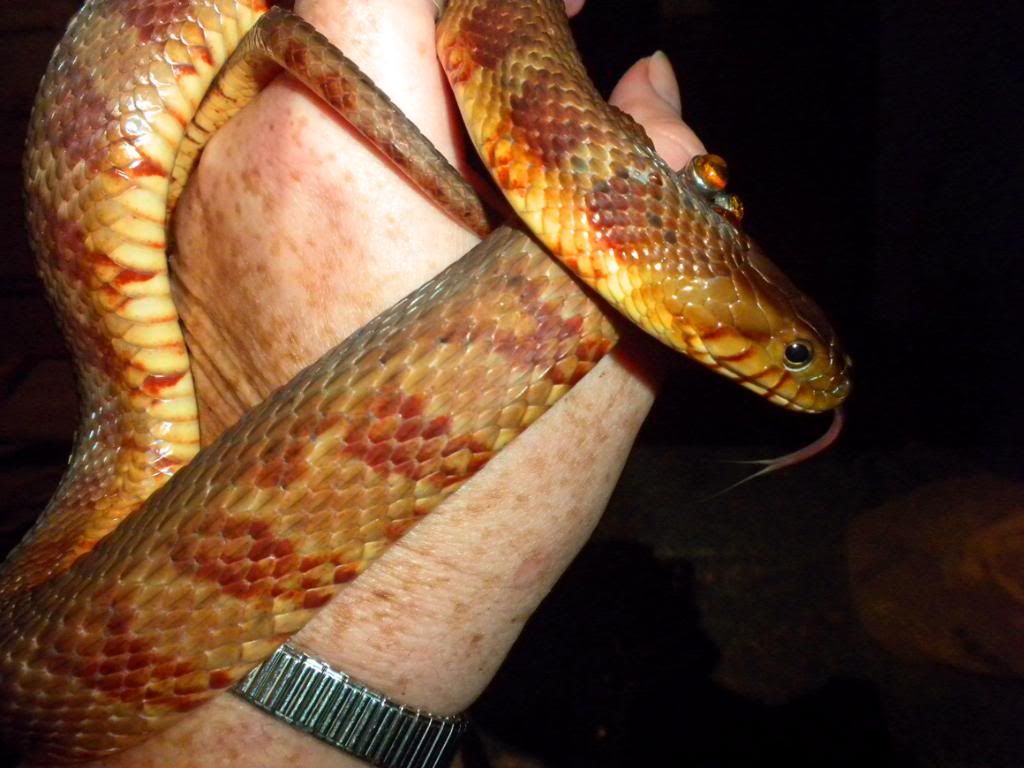
Adult female Anerythristic(no red whatsoever)-has old snout injury which covers nostrils, so she has to breathe through her mouth; does not affect her eating, though:
To be continued...
pitbulllady
Ask just about anyone how they feel about North American Water Snakes, genus Nerodia, and chances are all you'll hear is "...bunch of ugly, nasty-tempered, stinky, vicious animals no good for anything but King Cobra food!"
Well, I beg to differ. DEMAND to differ, as a matter of fact, and I am working to change that image. I currently keep four species of Nerodia, and have them all the way from newborn CB Bandeds to five-foot Red-Bellies. I can count on one hand the number of times I've been bitten, which cannot be said for Corns or Ball Pythons, two species with a rep for being docile, sweet-tempered, good "beginner" pet snakes. All but ONE of my adults are wild-caught animals, by the way, including six that were fairly recently captured in Horry County, SC. None of those six have made any attempt to bite, and two recently participated in an educational presentation during which they were held by young children. I have yet to see any snake, which as a genus, tames down as quickly and as completely as a Water Snake. Yes, if they are scared, they will musk-so will all other snakes, and their musk is no worse than a Rat or King Snake's. Trust me. I've been skunked by them all, including a 12-foot Yellow Anaconda.
Part of their bad rep also has to do with the name: WATER Snake. People assume that this means they have to be kept in a damp, or semi-aquatic environment. In fact, doing so is guaranteed to kill them, very quickly. These snakes are highly prone to "scale rot" if kept in a damp or dirty enclosure, so cleaning IS a must, as is a dry, dry substrate that can be easily replaced. They need a water bowl large enough to drink from, and that's it.
Another issue has been feeding. They DO normally feed on aquatic vertebrates, primarily fish and frogs, but I've found that 99% of them, even wild-caught adults, are easily switched over to frozen/thawed rodents by scenting, and they do much better on a rodent diet, producing less poop. You also avoid the problem of the enzyme Thiaminase, which is present in many species of common feeder fish, especially goldfish, catfish and "rosy reds", and which builds up in the snake's tissues, preventing the absorption of Vitamin B, which is essential for life. In short, it kills the snake, eventually. Many fish commonly sold in supermarkets, fresh, for HUMAN consumption, though, do NOT contain this enzyme, and I've only seen one Water Snake, my Brown male, which will not eat cut strips of fresh salmon, tilapia, flounder, croaker, or ocean perch, all of which can be purchased at nearlly all supermarkets or fish markets. What can be easier than shopping for your snake's food in the same store in which you buy your own? That's almost as easy as picking up cat or dog food in the pet food section of the store.
Now, to the "ugly" part...well, they say a picture says a thousand words, so I'll just let these images of my Water Snakes speak for themselves.
Adult female Banded, Hypo-Anerythristic, possible Xanthic:
Young adult male Hypo:
Young adult male, possible "Super-Hypo"(Hypomelanism has been proven a co-dom. mutation in these snakes.):
Adult female Anerythristic(no red whatsoever)-has old snout injury which covers nostrils, so she has to breathe through her mouth; does not affect her eating, though:
To be continued...
pitbulllady