Jamie, even if you don't agree with it, this is a good place to discuss it, right?
This was posted on another forum, and being that I thought it had such logic, I decided to ask the OP if I could post it here.
Edricks wrote:
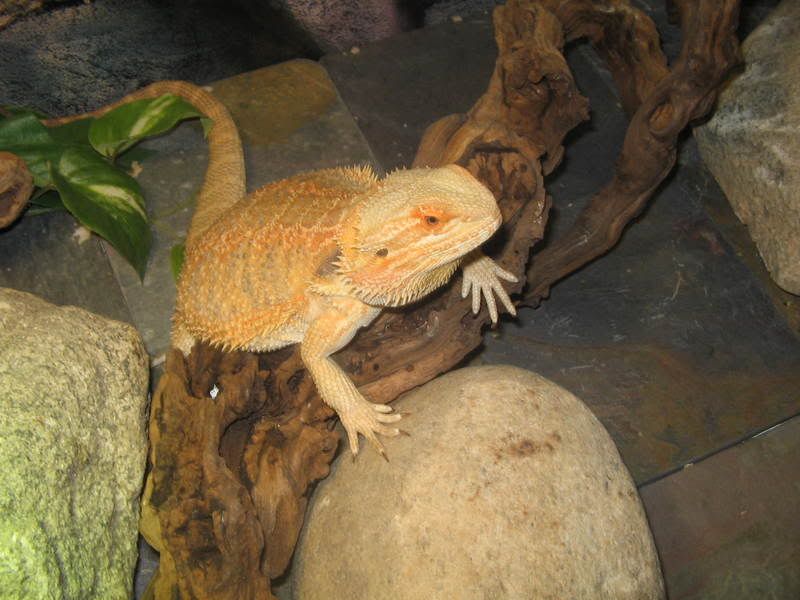
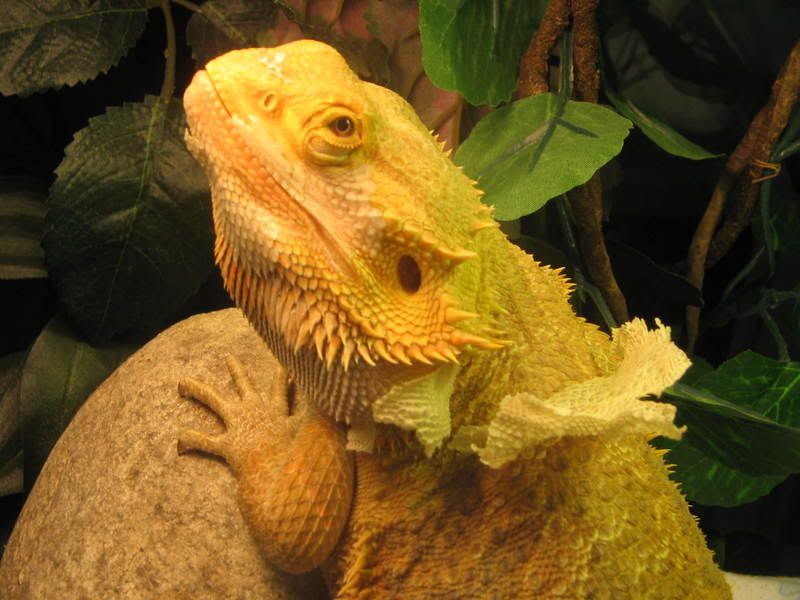
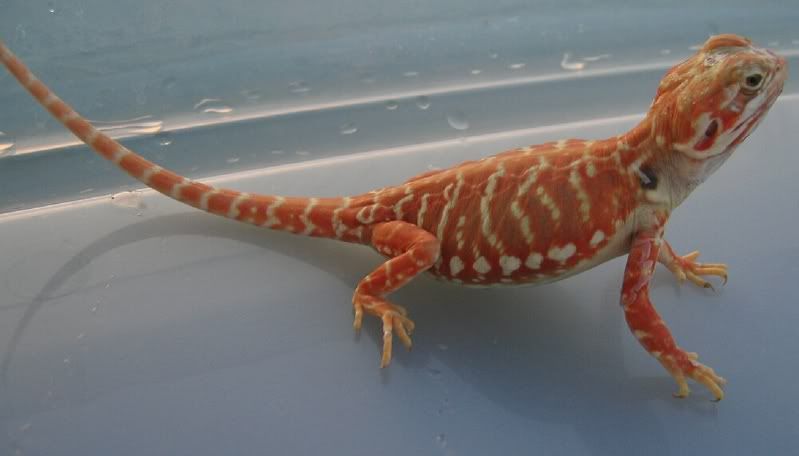
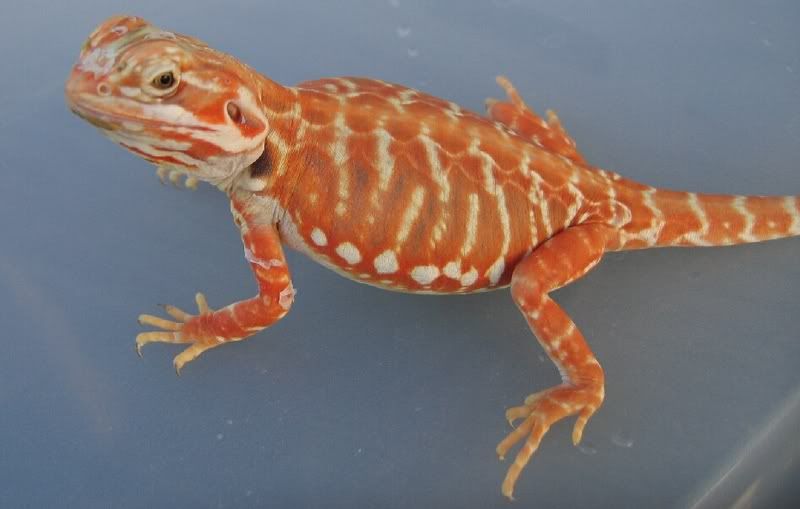
I think they -are- ugly, and I'm pretty sure the dragon's feelings arne't going to be hurt if I tell it so. I also happen to think that hairless rats, dogs and cats are ugly. It doens't change the fact that I like other beardies, cats and dogs (no love for rats, sorry) but I can't look at the hairless/scaleless variety without cringing. It doesn't mean that I'm gonna campaign to have them destroyed just because I don't find them astheticaly pleasing, and I'm not going to be guilted into saying that they are beautiful creatures, sorry.
That said, comparisons to natural selection and domestic breeding are inaccurate. Even the domestic breeding of dogs and cats compared to the domestic breeding of dragons is a bit of a stretch. Why?
Natural selection takes place over hundreds, even thousands of years. It is a slow process whereby those mutations that don't cause the premature death of a creature are bred over and over again through generations in a large population. Does inbreeding happen? Certainly, but inbred animals tend to have abnormal, detrimental mutations, and are more prone to diseases such as cancer, therefore, they do not survive as long as their non-inbred counterparts.
And yes, the wild and domestic cheetah population is vastly inbred. That is why it is disappearing so rapidly. The inbred offspring aren't living as long as their parents, and the diversity of bloodlines is disappearing, causing more problems for the species. Even though it happens in nature, doesn't mean that it's 'right' or 'perfect'. Nature screws up a lot. When we domesticate animals, we are in charge of their well being and it's our job to make sure they have the best quality of life. It's just like using sand. Saying "they die of impation in the wild, it's ok, its natural" isn't a good excuse. It's irrisponsibility to the animals in our care.
The domestic breeding of dogs has also taken place over a long period of time (cats a shorter time) and yes, certain traits that were desireable for certain purposes were repeatedly bred, however, there was never a ban on the import of new bloodlines from other countries as there is with dragons.
That this 'silk back' trait is the result of breeding two leather backs, which are rare to begin with means that the potential for getting a silk back is VERY rare. In other words, there are very limited possibilities of breeding pairs that will produce a silk back. That the breeder had to breed outside of the country should tell that much. If you want that trait to continue, you either have to breed more leather backs, or breed the silk backs already produced. Assuming the cost involved in breeding outside of the country, not to mention the customs issues, the resulting offspring would have to be so expencive to cover those breeding costs as to not make them a desirable buy for most hobbiests. The economical thing to do in that case, would be to inbreed those already within the breeders stock. Given Daichu's (supposed) already questionable husbandry practises, you can draw your own conclusions.
The ethical thing to do would be not to sell them or breed them until much more is known about them, and a more diverse blood line can be produced with the specific gene. What worries me, though, is that, despite being scaleless, it -is- still a reptile, and going further than that, biologically, it -is- still a beardie. That its temperatures and basking time have to be cut back to preserve its skin suggests to me that to keep it from burning, it's quality of life, and the basic care we all know how to give to dragons will have to be cut back. If a normal dragon needs to bask at 110 for two hours after it eats just to digest properly, what is the rule for these guys that can't be in heat for long periods of time, and can't take temperatures higher than the 90s?




 Its kind of sad.
