
Helenthereef
New member
- Joined
- Jan 19, 2008
- Messages
- 3,340
- Reaction score
- 246
- Points
- 0
- Age
- 69
- Location
- Fiji Islands South Pacific
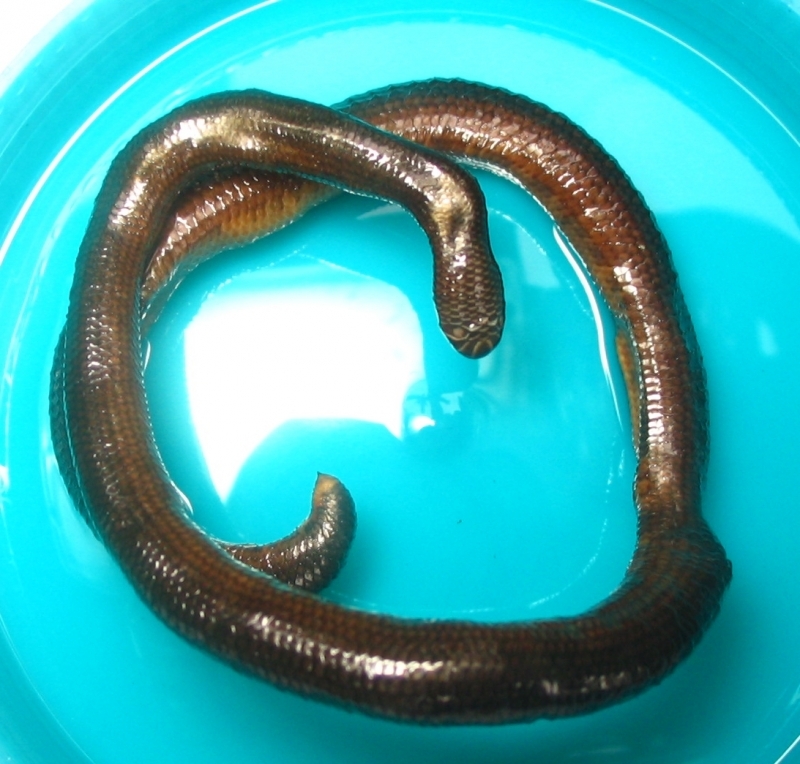
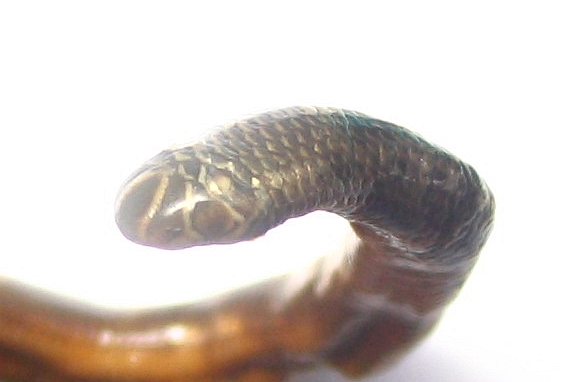
My young Candoia bibroni bibroni certainly display changing colours apparantly due to time of day or mood...
The first two used both to be pink in the morning and brown later in the day, but gradually settled into usually distinct preferences. One of them, (who has grown to be the larger) staying mostly pink, the other, smaller, usually darker brown. Friends of mine have a pair from another litter displaying the exact same pattern of size and colouration.
Now I have another, possibly from thie same litter (the owner is not certain as this one was lost in the adults' tank where two females gave birth, and only discovered some time later). This one seems to prefer to be grey. However, al three can become indistinguishably brown/pink at times, usually when sleeping.
Adults I have seen do not appear to change this dramatically. Maybe they settle into a fixed pattern after youthful experimentation? In particular the two black individuals I have seen appear to be permanently and deeply black with red belly. I haven't seen any black babies so far, but have only seen two litters from brown / grey females (who had 20 - 30 pups each, of the brown / grey colouration described above)
It's interesting. I'm going to see if we can get the black mated and maybe we'll be able to asnwer this in the future. Any 'How to" breeding advice welcomed.
Thanks,
Helen
The first two used both to be pink in the morning and brown later in the day, but gradually settled into usually distinct preferences. One of them, (who has grown to be the larger) staying mostly pink, the other, smaller, usually darker brown. Friends of mine have a pair from another litter displaying the exact same pattern of size and colouration.
Now I have another, possibly from thie same litter (the owner is not certain as this one was lost in the adults' tank where two females gave birth, and only discovered some time later). This one seems to prefer to be grey. However, al three can become indistinguishably brown/pink at times, usually when sleeping.
Adults I have seen do not appear to change this dramatically. Maybe they settle into a fixed pattern after youthful experimentation? In particular the two black individuals I have seen appear to be permanently and deeply black with red belly. I haven't seen any black babies so far, but have only seen two litters from brown / grey females (who had 20 - 30 pups each, of the brown / grey colouration described above)
It's interesting. I'm going to see if we can get the black mated and maybe we'll be able to asnwer this in the future. Any 'How to" breeding advice welcomed.
Thanks,
Helen

 (sorry, couldn't resist
  )
)